817-803-8090
Where’s your bite? The differences between crossbites, overbites, and underbites

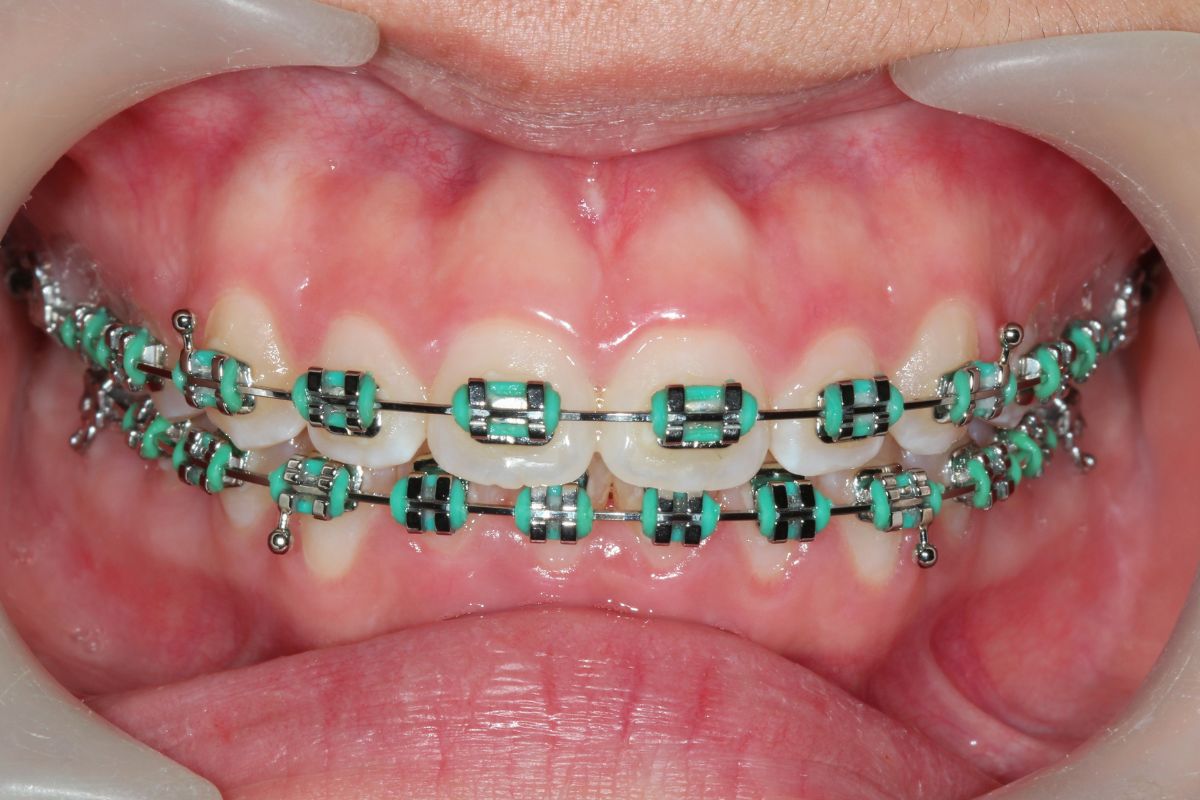
Did you know there is a direct correlation between your bite and your overall health? When your teeth and jaws are not properly aligned, it may affect your breathing, speech, and, in extreme cases, even the appearance of your face. Bite problems, also known as malocclusion, occur when the upper and lower teeth don’t fit together properly. This misalignment can cause discomfort, wear and tear on your teeth, and even affect your self-confidence.
Most people experience some degree of malocclusion, but it is usually not severe enough to require treatment. However, when the misalignment is significant, orthodontic intervention may be necessary to correct the issue and improve both your oral health and quality of life.
Let’s explore the three most common types of bite problems: crossbites, overbites, and underbites.
The Connection Between Your Bite and Your Health
The term “malocclusion” refers to a bad bite or the misalignment of the teeth and jaws. When left untreated, malocclusion can lead to a variety of health problems beyond just crooked teeth. These issues can include:
- Speech difficulties: A misaligned bite can interfere with clear speech.
- Breathing issues: In severe cases, malocclusion can lead to difficulties with proper airflow.
- Facial appearance: Significant bite issues can alter the appearance of your face, sometimes causing asymmetry.
- Tooth wear: Over time, misaligned teeth can become worn down, protruded, or even chipped due to uneven pressure during chewing.
- Jaw pain: Malocclusion can cause tension in the jaw, leading to discomfort or conditions like TMJ (temporomandibular joint) disorder.
Many individuals may not realize they have a bite issue until these symptoms appear. That’s why it’s important to address bite problems early with the help of an orthodontic specialist.
What Is a Crossbite?
A crossbite occurs when the upper and lower jaws are misaligned, causing one or more upper teeth to bite on the inside of the lower teeth. This misalignment can affect a single tooth or a group of teeth, and it can occur in both the front and sides of the mouth.
Causes of Crossbites:
- Genetics: Family history of jaw misalignment.
- Delayed loss of baby teeth or abnormal eruption of permanent teeth.
- Thumb-sucking or extended pacifier use during childhood.
Effects of Crossbites:
- Tooth wear: Crossbites can cause premature wear and tear on teeth.
- Gum disease: The uneven pressure caused by a crossbite can lead to receding gums and an increased risk of gum disease.
- Bone loss: In severe cases, a crossbite can contribute to bone loss around affected teeth.
Crossbites can be corrected with orthodontic treatments such as braces, clear aligners, or expanders, depending on the severity of the misalignment.
What Is an Overbite?
An overbite, sometimes referred to as an “overjet,” occurs when the upper front teeth significantly overlap the lower front teeth. A slight overbite is normal, but when it becomes excessive, it can lead to problems.
Causes of Overbites:
- Genetics: The structure of your jaw can be inherited.
- Oral habits: Prolonged thumb-sucking or using a pacifier can lead to overbites.
- Overdevelopment of the upper jaw: This can cause an overbite as the upper teeth protrude too far.
Effects of Overbites:
- Jaw pain: Overbites often cause tension and pain in the jaw and temporomandibular joints.
- Gum issues: Overbites can lead to gum irritation or damage, especially in the lower front teeth.
- Tooth wear: The excessive overlap can cause wear on the lower teeth.
Orthodontic treatments, such as braces or clear aligners, can gradually reposition the teeth and correct an overbite, relieving pain and preventing further dental damage.
What Is an Underbite?
An underbite occurs when the lower teeth protrude past the upper teeth, giving the appearance of a more prominent lower jaw. This is the opposite of an overbite and can result from several factors.
Causes of Underbites:
- Genetics: Family history of larger lower jaws.
- Overgrowth of the lower jaw or underdevelopment of the upper jaw.
- Missing upper teeth: The absence of upper teeth can cause the lower teeth to shift forward.
Effects of Underbites:
- Difficulty chewing: An underbite can make it challenging to chew food properly, leading to digestive issues.
- Speech problems: Pronunciation of certain words or sounds may become difficult with an underbite.
- Jaw pain and tooth wear: An underbite can place strain on the jaw joints and lead to uneven wear on the teeth.
Treating underbites often involves orthodontic solutions, but in severe cases, surgery may be required to reposition the jaw.
Early Detection and Treatment: Why It’s Important
Malocclusion is more than just an aesthetic concern—it can have significant impacts on your health and well-being. The earlier bite problems are detected, the easier they are to treat. For children, early orthodontic evaluation (around age 7) can help catch bite issues early, when treatment may be simpler and more effective.
For adults, it’s never too late to seek orthodontic care. Whether you’re dealing with a crossbite, overbite, or underbite, modern treatments like braces, clear aligners, or even surgical interventions can correct these issues and improve your quality of life.
Conclusion: Don’t Ignore Bite Problems
If you or your child have a bite misalignment, early examination and treatment can prevent years of discomfort, oral health issues, and self-consciousness. At Hildebrand Orthodontics, we specialize in diagnosing and treating malocclusion to ensure healthy, beautiful smiles for patients of all ages.
Whether it’s a crossbite, overbite, or underbite, the sooner you address the problem, the sooner you can enjoy the benefits of a properly aligned bite. Schedule a consultation today to get started on your journey to better oral health and a more confident smile.