2200 W Interstate 20 Ste 100, Arlington, TX 76017

Is It Too Late To Fix My Smile? Orthodontic Options For Patients Over 50

No, it is not too late. Even if you are over 50, you can still straighten your teeth, improve your bite, and restore your smile. Orthodontic care is not limited to teenagers. More adults today are choosing to fix their smile in their late adulthood. With the help of an experienced orthodontist, you can explore modern options that fit your lifestyle, health needs, and goals.
Let us explore why it is never too late and how the right treatment can genuinely transform the way you feel about your smile.
What Happens To Your Teeth As You Age?
Aging affects oral health in ways most people do not expect:
- Teeth shift or become crowded.
- Jawbone density may decline.
- Gums can recede or become more sensitive.
- Past dental work may no longer fit properly.
These changes can make cleaning harder, raise the risk of decay, and affect how you chew and speak. That is why adult smile correction is not just about how your smile looks, but about keeping your mouth healthy and functional.
Can Older Adults Over 50 Safely Get Braces or Aligners?
Absolutely. Age is not a barrier to treatment.
What matters most is your overall oral health. You are likely a good candidate if your gums are healthy and your jawbone can support tooth movement. Even if you have had missing teeth, crowns, or implants, orthodontic treatment can still be tailored for you. However, before suggesting any procedure, the specialist will diagnose the following:
- Gum and bone health.
- Bite alignment and jaw function.
- Existing dental work (like implants or bridges).
- Your treatment goals.
For seniors, discreet, low-maintenance options can correct mild to moderate crowding, spacing, or bite issues.
4 Orthodontic Therapies For Older Adults Turning Over 50
Modern advancements in dentistry have made dental orthopaedics possible without limiting it to bulky metal braces. Today’s options are more comfortable, subtle, and adaptable.
- Clear Aligners (Invisalign)
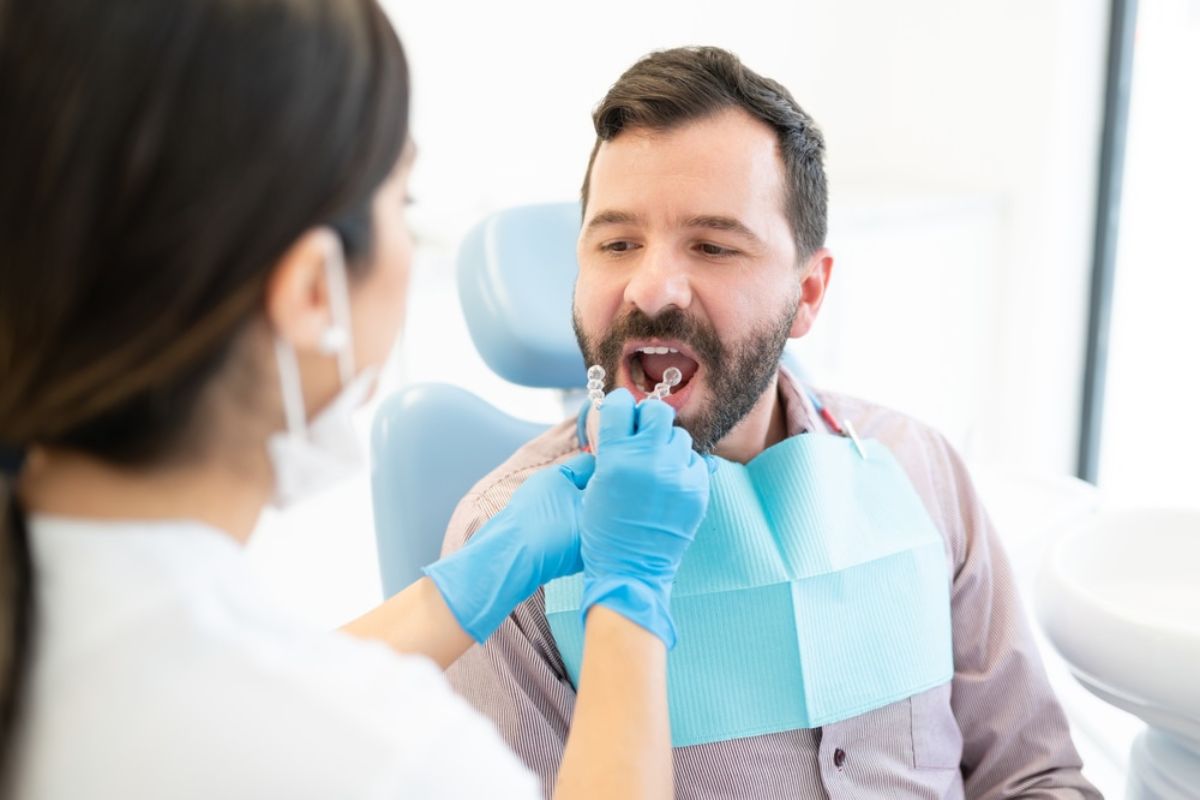
Clear aligners, like Invisalign, are removable trays that gently shift teeth. They are nearly invisible, easy to clean, and ideal for adults who want discreet, flexible treatment without lifestyle changes.
- Ceramic Braces
Ceramic braces use tooth-colored brackets that blend with your smile. They work like metal braces but are less noticeable, making them an excellent option for people who prefer a subtle appearance.
- Mini Braces
Mini braces are smaller than traditional ones, causing less irritation while offering the same results. Their compact size makes them more comfortable and less visible, especially suitable for mature patients seeking convenience.
- Traditional Braces
Traditional braces are reliable for correcting complex dental issues. They have improved over the years, with smaller brackets, better comfort, and faster results, making them the best choice for older adults needing precise alignment.
What If I Have Missing Teeth?
Having missing teeth does not mean you cannot get orthodontic treatment. Straightening your remaining teeth first can make future dental work easier, more stable, and successful. Here is how corrective dental treatment for adults helps:
- Creates Space For Future Implants Or Bridges: Braces or aligners can gently move your teeth to open up the proper space so replacements like dental implants or bridges will fit more naturally and securely.
- Reduces Pressure On Remaining Teeth: When teeth are missing, the ones around them take on extra force when chewing. Orthodontic care balances your bite to ease stress and prevent further wear or damage.
- Improves Alignment For Lasting Results: Correcting crooked or tilted teeth improves overall oral health and gives future restorations a stronger, better-aligned foundation that lasts longer.
How to Keep Teeth Clean During Treatment
Adults face a higher risk of gum issues, so hygiene is key. Here is how to maintain oral health while undergoing care:
- Brush twice daily with fluoride toothpaste.
- Floss once daily. Use a water or floss threader if needed.
- Use mouthwash to reduce bacteria.
- See your hygienist every 3 to 6 months.
- Avoid sticky or hard foods that can damage appliances.
Staying consistent helps prevent decay and gum irritation while your teeth shift.
Achieve Confidence, Function, And Comfort At Our Care
Straightening your teeth after 50 is truly about living with more comfort, better function, and renewed confidence. Whether dealing with bite issues, shifting teeth, or missing spaces, the appropriate care can make all the difference. At this stage in life, you deserve to feel proud of your smile, not self-conscious about it. Schedule a consultation with an experienced orthodontist today to explore safe, modern solutions designed just for adults. Your smile still matters, and it is never too late to improve it.