2200 W Interstate 20 Ste 100, Arlington, TX 76017

What Are the Signs Your Child May Need an Orthodontist?

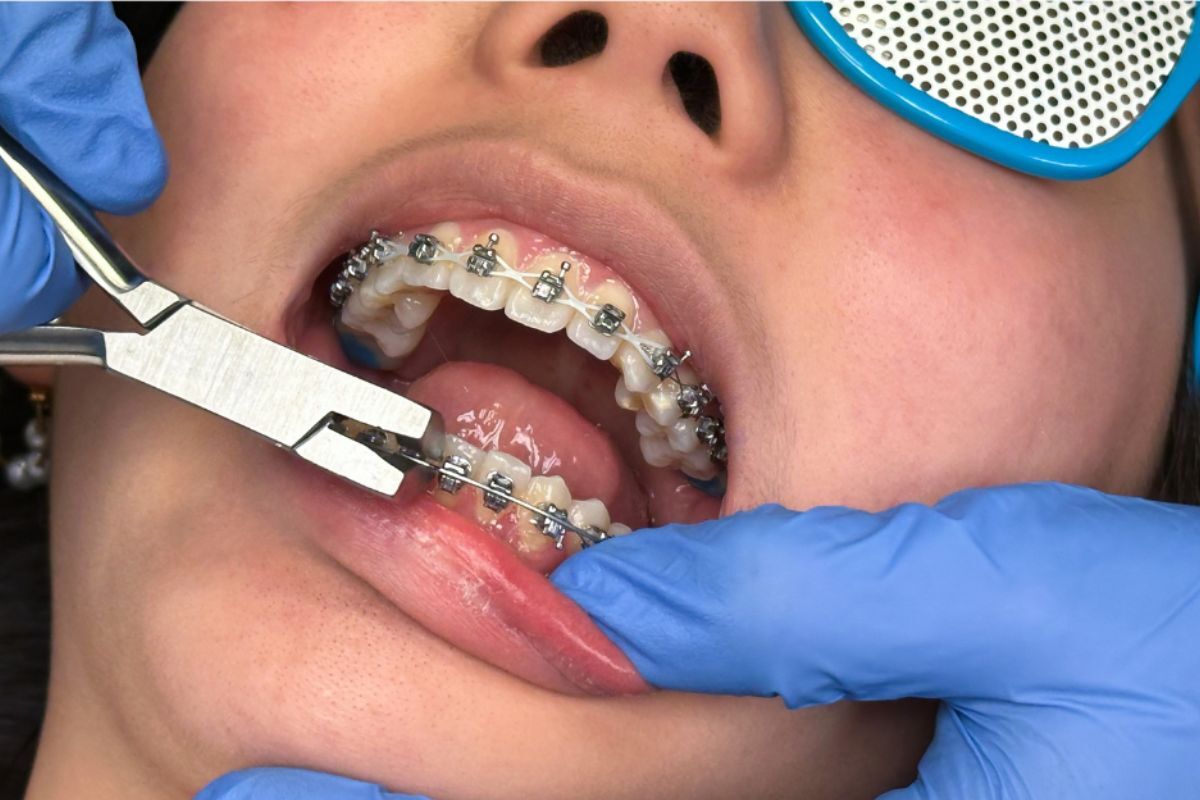
Parents often notice changes in their child’s smile as their permanent teeth begin to come in. Some changes are a normal part of growing, while others may indicate an underlying alignment or bite concern. Knowing what to watch for can help parents decide when an orthodontic evaluation may be worthwhile.
An orthodontist can evaluate how the teeth and jaws are developing and identify concerns that may become more difficult to manage later. If you are looking for an orthodontist in Arlington, understanding these early signs can help you know when it may be time to schedule an evaluation.
Why Early Orthodontic Evaluation Matters
Orthodontic problems do not always become obvious at first glance. A child may have teeth that appear relatively straight but still have a bite problem or insufficient space for permanent teeth.
An orthodontist looks at more than the appearance of individual teeth. They also evaluate how the upper and lower teeth fit together, how the jaws are developing, and whether there is enough room for incoming teeth.
Early evaluation does not necessarily mean your child will need braces right away. In some cases, an orthodontist may simply recommend monitoring your child’s development and returning for another evaluation when treatment becomes appropriate.
Crowded or Overlapping Teeth
Crowding is one of the most noticeable signs that a child may benefit from an orthodontic evaluation. It occurs when there is not enough space for teeth to fit properly within the dental arch.
You may notice:
- Teeth overlapping one another
- Permanent teeth coming in behind or in front of baby teeth
- Teeth appearing rotated or twisted
- Difficulty cleaning between certain teeth
Crowding can make brushing and flossing more challenging. An orthodontist can determine whether the issue is likely to resolve naturally or whether treatment may eventually be beneficial.
Gaps Between Teeth
Small spaces can occur naturally while children are losing baby teeth and developing their permanent teeth. However, larger or persistent gaps may sometimes indicate an alignment concern.
Spacing can have several possible causes, including differences in tooth size, missing teeth, or the position of surrounding teeth. An evaluation can help determine whether the spacing is part of normal development or something that should be monitored.
Difficulty Biting or Chewing
The way your child’s teeth come together can provide important clues about their oral development. If your child consistently has trouble biting into food or chewing comfortably, an orthodontic evaluation may be appropriate.
Problems with the bite can include an overbite, underbite, crossbite, or open bite. These conditions vary in severity, and treatment depends on the individual child’s development.
If you notice your child frequently shifting their jaw to find a comfortable bite or avoiding certain foods because chewing is difficult, mention these concerns during their next dental or orthodontic visit.
Teeth That Do Not Come In Normally
Permanent teeth generally follow a predictable eruption pattern, although timing varies between children. A tooth that appears significantly delayed, comes in at an unusual angle, or becomes impacted may warrant an orthodontic evaluation.
Parents may notice that one permanent tooth has erupted while the corresponding tooth on the opposite side has not appeared. This does not automatically mean there is a problem, but it can be worth discussing with a dental professional.
An orthodontist can use an examination and, when appropriate, dental imaging to assess the position of developing teeth.
Mouth Breathing or Jaw Development Concerns
Certain habits and developmental patterns can be associated with orthodontic concerns. Persistent mouth breathing, thumb or finger sucking, and other oral habits may affect the position of developing teeth or the relationship between the jaws in some children.
These behaviors do not automatically mean orthodontic treatment is needed. However, persistent concerns should be discussed with your child’s dentist or an orthodontist so they can determine whether further evaluation is appropriate.
Early or Late Loss of Baby Teeth
Baby teeth help maintain space for permanent teeth. Losing them significantly earlier or later than expected can sometimes affect how permanent teeth develop.
A baby tooth that is lost early may leave surrounding teeth more likely to move into the available space. On the other hand, a baby tooth that remains in place longer than expected may sometimes interfere with the eruption of a permanent tooth.
Your child’s dental and orthodontic providers can monitor these changes and determine whether intervention is necessary.
Uneven Tooth Wear
Teeth that consistently contact one another incorrectly can sometimes experience uneven wear. You may notice flattened areas, unusual wear patterns, or discomfort when your child bites.
While tooth wear can have several causes, an uneven bite is one possibility. An orthodontic evaluation can help identify whether tooth alignment or jaw position is contributing to the concern.
When Should Parents Schedule an Orthodontic Evaluation?
There is no single age at which every child should begin orthodontic treatment. The American Association of Orthodontists recommends that children have their first orthodontic checkup by age 7. An early visit allows an orthodontist to identify developing problems and determine whether treatment or monitoring is appropriate.
For some children, treatment may be recommended while they are still growing. Others may not need treatment until more permanent teeth have erupted.
The goal of an early evaluation is not necessarily to start treatment immediately. It is to understand how your child’s teeth and jaws are developing and identify the appropriate timing for care.
What Happens During an Orthodontic Evaluation?
An orthodontic appointment typically begins with a discussion about your child’s dental development and any concerns you have noticed. The orthodontist then examines the teeth and bite and evaluates jaw development.
Depending on your child’s needs, diagnostic records or imaging may be recommended. The orthodontist can then explain whether treatment is needed, what options may be available, and whether it would be better to monitor your child’s development for the time being.
When Should You Consider an Orthodontic Evaluation?
Crowding, unusual tooth eruption, persistent spacing, bite difficulties, and certain developmental concerns can all be reasons to seek professional guidance. These signs do not necessarily mean your child needs braces, but they can indicate that an evaluation may be useful.
If you are searching for an orthodontist in Arlington, Hildebrand Orthodontics can evaluate your child’s developing smile and help you understand whether treatment or continued monitoring is appropriate. Schedule an orthodontic evaluation to discuss your child’s needs and next steps.
Frequently Asked Questions
Does every child with crowded teeth need braces?
Not necessarily. Mild crowding may be monitored, while more significant crowding may require orthodontic treatment. An evaluation can determine what is appropriate for your child.
What age should a child first see an orthodontist?
The American Association of Orthodontists recommends an initial orthodontic checkup by age 7. This does not mean every child will need treatment at that age.
Can an orthodontist treat bite problems in children?
Yes. Depending on the type and severity of the problem, orthodontic treatment may help improve certain bite and alignment concerns.
Should I wait until all of my child’s permanent teeth come in?
Not always. An early evaluation can identify developing concerns and help determine the appropriate time for treatment.
What if my child’s teeth look straight?
Straight-looking teeth do not always mean the bite is properly aligned. An orthodontist evaluates the relationship between the teeth and jaws as well as the appearance of the smile.