2200 W Interstate 20 Ste 100, Arlington, TX 76017

Can Clear Braces Help Correct an Uneven Bite?

An uneven bite can affect more than the way your smile looks. When the upper and lower teeth do not come together properly, you may notice difficulty chewing, uneven tooth wear, or discomfort when biting. Orthodontic treatment can help move teeth into better positions and improve how they work together.
Clear braces may be an option for some patients who want to address bite and alignment concerns without the more noticeable appearance of traditional metal braces. Hildebrand Orthodontics offers mini clear braces in Arlington and notes that they work similarly to its metal mini braces while being less noticeable.
What Is an Uneven Bite?
An uneven bite, also called malocclusion, occurs when the upper and lower teeth do not fit together as they should. It can involve several different alignment concerns, including an overbite, underbite, crossbite, or open bite.
The severity and cause of the problem can vary from person to person. Some bite concerns are mainly related to tooth positioning, while others may involve the development or position of the jaws.
Because of these differences, an orthodontic evaluation is important before choosing a treatment.
Can Clear Braces Correct Bite Problems?
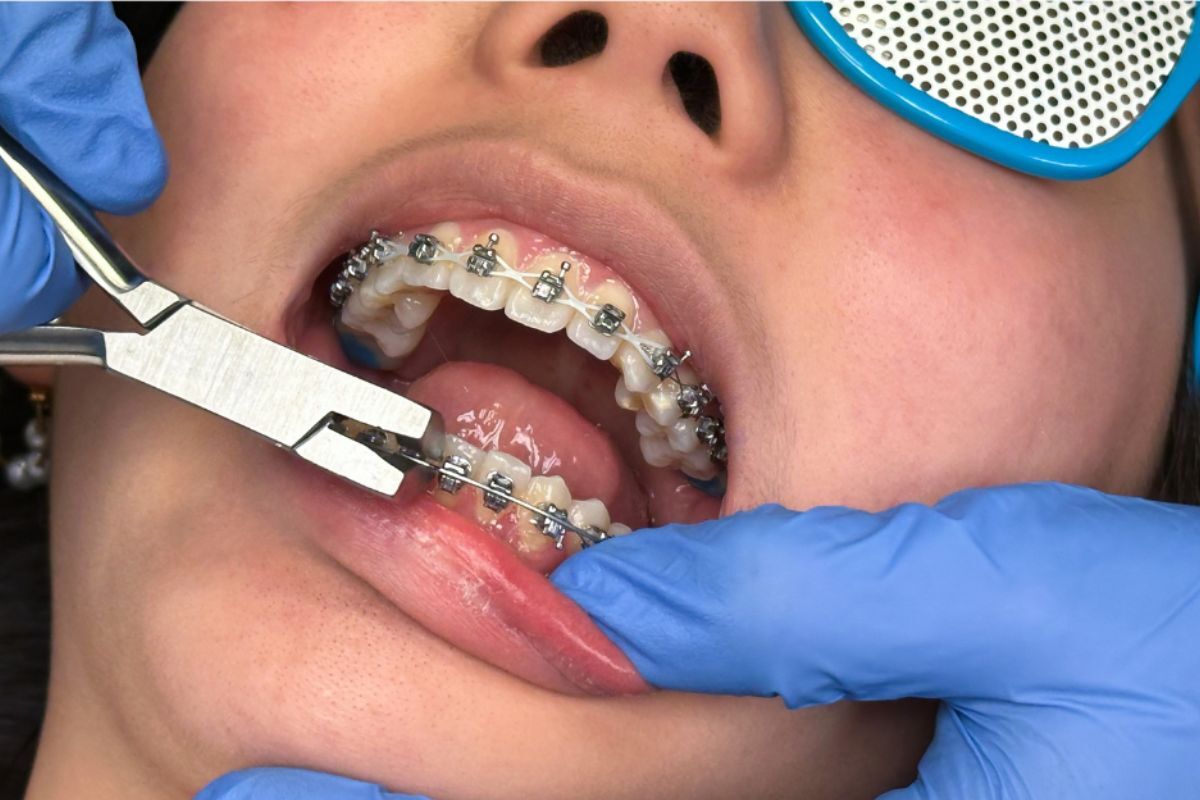
In some cases, yes. Clear braces use brackets and wires to apply controlled forces that gradually move teeth into planned positions. Because they are fixed to your teeth, they can provide consistent guidance throughout treatment.
Clear braces use tooth-colored or clear brackets and work similarly to traditional metal braces. They may also be an option for cases where removable aligners are not the best fit.
However, every bite is different. An orthodontist will need to examine your teeth and bite to determine whether clear braces can provide the correction you need.
How Can Bite Correction Improve Everyday Function?
An uneven bite can sometimes make everyday activities less comfortable or efficient. When teeth are not positioned properly, certain teeth may experience more pressure than others during chewing.
Correcting the alignment may help create a more balanced relationship between the upper and lower teeth. Depending on your individual condition, orthodontic treatment may also make it easier to maintain your oral hygiene by improving areas affected by crowding or overlapping.
The specific benefits you can expect depend on the type and severity of your bite problem.
Why Choose Clear Braces?
One reason patients consider clear braces is their appearance. The brackets are designed to blend more closely with the natural color of the teeth, making them less noticeable than traditional metal brackets.
This can be appealing to adults, teens, and others who want fixed orthodontic treatment without making braces the most noticeable part of their smile.
At Hildebrand Orthodontics, mini clear braces are offered at the same cost as the practice’s metal mini braces and are described as having the same treatment time frame.
Are Clear Braces Better Than Clear Aligners for Bite Problems?
It depends on your individual needs. Clear aligners and clear braces use different methods to move teeth. Clear aligners are removable and can be a convenient choice for patients who prefer a less noticeable treatment option. Clear braces, on the other hand, are fixed in place and use brackets and wires to guide tooth movement.
Clear aligners may work well for minor tooth movements, while clear braces can be useful for certain cases that require more involved alignment or bite correction.
An orthodontic examination can help determine which option is better suited to your teeth, bite, and treatment goals.
What Happens During an Orthodontic Evaluation?
Your orthodontist will look at more than whether your teeth appear crooked. The evaluation may include examining how your upper and lower teeth meet, the position of individual teeth, and your overall orthodontic needs.
Your treatment plan may depend on:
- The type of bite problem you have
- The position of your teeth
- The amount of movement required
- Your age and dental development
- Your overall orthodontic goals
This information helps your orthodontist decide whether clear braces, Invisalign, metal braces, or another option is most appropriate.
What Should You Expect During Treatment?
Clear braces remain attached to your teeth throughout treatment, so you do not need to remember to put them back in after eating or cleaning your teeth. You will have periodic orthodontic appointments so your provider can monitor tooth movement and make adjustments as needed.
Hildebrand Orthodontics states that its clear braces typically involve adjustment visits every four to six weeks. Treatment length varies by case, although the practice reports that many treatments with its clear mini braces can be completed in about 18 months.
Your individual timeline may be shorter or longer depending on the complexity of your bite and how your teeth respond to treatment.
How Do You Care for Clear Braces?
Good oral hygiene remains important throughout orthodontic treatment. Food particles and plaque can collect around brackets and wires, increasing the risk of dental problems if they are not cleaned properly.
Brush carefully around the brackets and follow your orthodontist’s instructions for flossing and other cleaning methods. It is also important to follow dietary recommendations and avoid foods that could damage brackets or wires.
Keeping your appointments and following your treatment instructions can help keep your orthodontic care progressing as planned.
Are Clear Braces Right for Your Bite?
The fact that clear braces are less noticeable does not necessarily make them the best choice for every patient. The right treatment depends on the type of bite problem, the amount of tooth movement required, and your overall orthodontic needs.
If you are considering clear braces in Arlington, an orthodontic consultation can help you understand whether this treatment can address your bite concerns. Your orthodontist can also explain alternatives if another approach would be more appropriate.
Take the Next Step Toward a Better Bite
An uneven bite can affect more than the way your smile looks. It can also make chewing less comfortable and affect how your teeth come together. Clear braces offer a discreet way to gradually improve the alignment of your teeth and bite.
If you are thinking about orthodontic treatment, Hildebrand Orthodontics can take a look at your smile and discuss what may work best for you. Schedule a consultation to find out if clear braces are a good fit for your needs.
Frequently Asked Questions
Can clear braces fix an overbite?
Clear braces may be able to address certain overbite concerns, depending on their severity and cause. An orthodontic evaluation is needed to determine the appropriate treatment.
Are clear braces suitable for adults?
Yes. Adults can be candidates for clear braces when their orthodontic needs can be treated with this approach. Hildebrand Orthodontics offers clear braces as one of its treatment options for adults.
Do clear braces work like metal braces?
Clear braces use a similar fixed bracket-and-wire approach. The primary difference is that clear or tooth-colored brackets are less noticeable than metal ones.
How long do clear braces take?
Treatment time varies according to the patient’s orthodontic needs. Hildebrand Orthodontics states that many treatments with its mini clear braces can be completed in about 18 months.
Can clear braces treat more complex bite problems?
They may be appropriate for certain bite and alignment concerns that require fixed orthodontic treatment. Your orthodontist can determine whether clear braces are suitable for your specific case.