817-803-8090

What Types of Teeth Misalignment Can Be Fixed with Invisalign?


Having teeth alignment problems can be difficult and embarrassing for many people. In addition to affecting one’s self-confidence, misaligned teeth can also negatively affect the function of the mouth and jaw. Invisalign is a great option for those who want to avoid metal braces in order to fix minor tooth misalignment issues. In this article, we discuss the types of tooth misalignment Invisalign can help fix and provide some helpful tips on how to use Invisalign effectively.
1. Types of teeth misalignment Invisalign can fix
When deciding on Invisalign, it is important to understand what types of tooth misalignment Invisalign can address. In general, Invisalign can fix minor cases of crooked teeth, spaciousness between teeth, overbites, and underbites. Invisalign can also help with crossbites and open bites. In some cases, Invisalign can even address issues such as a deep bite or excessive gapping between teeth.
Crooked Teeth
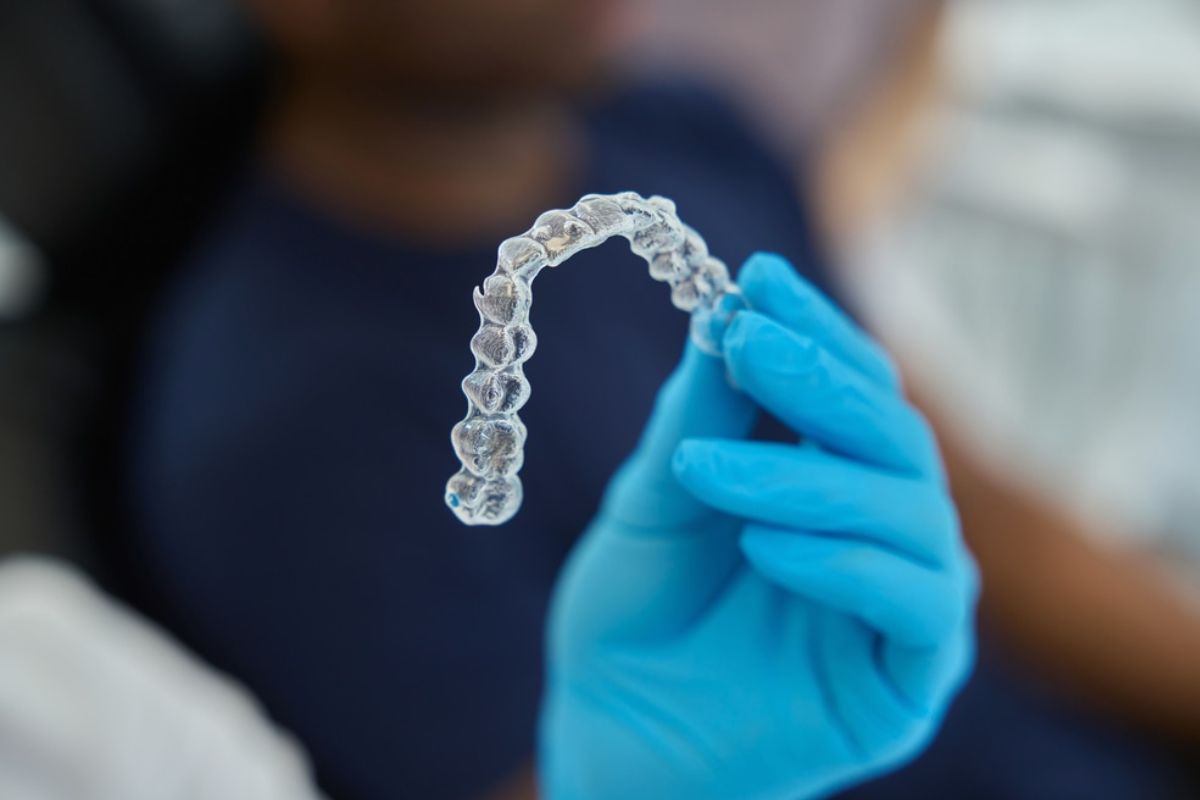
Crooked teeth are one of the most common types of tooth misalignment Invisalign can address. Invisalign uses custom-made, clear aligners to gently move teeth into the desired positions. In some cases, Invisalign can even make minor corrections for crooked teeth without needing additional procedures or treatments.
Overbites and Underbites
In addition to addressing crooked teeth, Invisalign can also help with overbites and underbites. Invisalign works by using specially designed trays to move the teeth back into the ideal positions. In some cases, Invisalign can even be used without having to make any additional adjustments or treatments.
Crossbite
Invisalign can also be used to correct a crossbite, which is when one or more teeth on the upper jaw do not fit properly with the lower teeth. Invisalign uses custom-made trays that are designed to fit each patient’s unique mouth structure and move the teeth back into alignment. In some cases, Invisalign may even be able to correct a crossbite without any additional procedures or treatments.
2. Invisalign Tips
In addition to understanding the types of tooth misalignment Invisalign can help fix, it is also important to understand how Invisalign works and what tips can make Invisalign more effective. Here are some Invisalign tips to keep in mind:
Wear Invisalign Trays for 20-22 Hours Each Day
In order for Invisalign to be effective, it is important to wear the Invisalign trays for at least 20-22 hours each day. Although Invisalign trays are removable, they should be worn as much as possible in order to ensure that Invisalign works effectively.
Clean Invisalign Trays Regularly
In order to keep Invisalign trays free of bacteria and plaque, it is important to clean Invisalign trays regularly with a soft-bristled toothbrush and Invisalign cleaning solution. In addition, Invisalign trays should be soaked in the Invisalign cleaning solution for at least 15 minutes each day to ensure that they are clean and free of any bacteria or plaque.
Re-Seat Invisalign Trays Regularly
In order for Invisalign to be effective, it is important to re-seat Invisalign trays regularly. This will help keep Invisalign trays in the correct positions and ensure that Invisalign works effectively. In general, Invisalign trays should be re-seated at least once a week.
Conclusion
In conclusion, Invisalign is an excellent option for those who want to fix minor tooth misalignment issues without having to use metal braces. In general, Invisalign for adults can be used to address crooked teeth, overbites and underbites, crossbites and open bites. In addition, it is important to wear Invisalign trays for at least 20-22 hours each day, clean Invisalign trays regularly and re-seat Invisalign trays at least once a week for Invisalign to be effective.
FAQs
Q: What types of tooth misalignment can Invisalign fix?
A: In general, Invisalign can be used to address crooked teeth, overbites and underbites, crossbites and open bites. In some cases, Invisalign can also be used for a deep bite or excessive gapping between teeth.
Q: How often should Invisalign trays be re-seated?
A: In general, Invisalign trays should be re-seated at least once a week in order for Invisalign to be effective.
Q: How often should Invisalign trays be cleaned?
A: In order to keep Invisalign trays free of bacteria and plaque, it is important to clean Invisalign trays regularly with a soft-bristled toothbrush and Invisalign cleaning solution. In addition, Invisalign trays should be soaked in the Invisalign cleaning solution for at least 15 minutes each day to ensure that they are clean and free of any bacteria or plaque.