2200 W Interstate 20 Ste 100, Arlington, TX 76017


What Teens and Adults Should Know Before Starting Invisalign

Deciding between traditional braces and clear aligners is one of the more common questions that comes up at a first orthodontic consultation, especially for teens who want straighter teeth without visible hardware at school, and adults who simply don’t want a mouth full of metal at work.
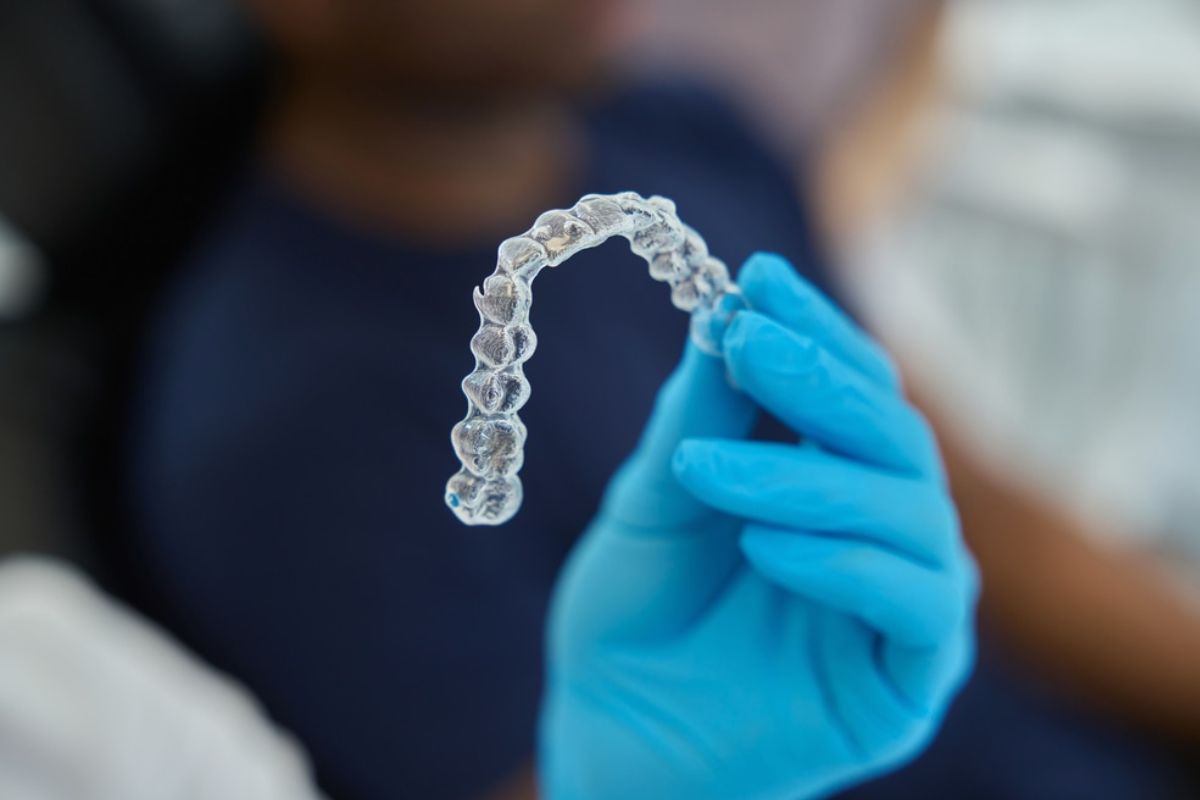
Clear aligner treatment through Invisalign for teens and adults in Arlington involves a custom series of clear, removable trays that gradually shift teeth into alignment. Each tray is worn for about two weeks before moving to the next in the series, gradually working toward the final result mapped out at the start of treatment.
What’s worth knowing before starting:
- Trays need to be worn 20 to 22 hours a day to stay on schedule
- They’re removed for eating, drinking anything other than water, and brushing
- Compliance matters more than with traditional braces, since it’s easy to forget to put them back in
- Fewer in-office visits are typically needed compared to traditional braces
- Results depend on the complexity of the case, so a consultation will clarify what’s realistic
- Attachments, small tooth-colored bumps, are sometimes added to help trays grip properly
Arlington’s active teen sports culture, from football to soccer to competitive cheer, means a lot of parents specifically ask about aligners because they don’t interfere with mouthguards the way traditional brackets sometimes can. It’s a practical consideration that comes up often during consultations, especially for families with kids playing multiple sports throughout the year.
How compliance affects the overall outcome
Because aligners are removable, the results depend heavily on how consistently they’re actually worn. Teens especially benefit from a clear routine — putting trays back in immediately after eating, brushing, or a game, rather than leaving them out for extended stretches. Parents often play a role in reinforcing this habit early on, since falling behind on wear time can extend the overall treatment timeline noticeably. Compliance indicators, which show up as slight color changes on some trays after enough wear time, can also help parents and the orthodontic team track how consistently trays are being worn between visits.
FAQs
Is Invisalign as effective as traditional braces? For many mild-to-moderate cases, yes. More complex bite issues may still be better suited to traditional braces, which a consultation will help clarify.
What happens if my teen forgets to wear their trays? Consistency is important to stay on schedule — missing significant wear time can extend the overall treatment timeline.
How often are check-in appointments needed? Typically every six to eight weeks, though it can vary depending on the treatment plan.
Can it be used for both teens and adults? Yes, it’s a common option for both age groups, with treatment plans tailored to the specific case either way.
Do aligners interfere with sports or musical instruments? Generally no, and many patients find them easier to manage during sports than traditional braces, though a mouthguard is still recommended for contact sports.
How can parents help their teen stay on track with wear time? Setting a consistent routine around meals and reminders, along with regular check-ins about how the trays feel, tends to help keep teens on schedule.
If your family is trying to decide between clear aligners and traditional braces, a consultation is the best way to get a clear answer based on the specific alignment issue involved, and which option best fits your family’s daily routine.