817-803-8090

Toothaches, Lost Fillings, And More: Handling Dental Emergencies

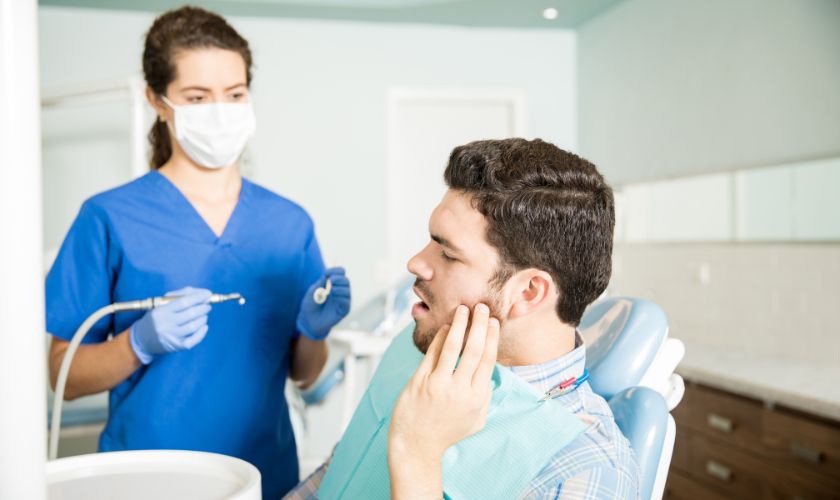
In the tapestry of daily life, dental emergencies can disrupt the familiar rhythm, bringing unexpected pain and challenges. Whether it’s a sudden toothache, a knocked-out tooth, or a lost filling, knowing how to navigate these situations is crucial for minimizing discomfort and preventing further complications. In this comprehensive guide, we embark on a journey through the realm of dental emergencies—unveiling the common scenarios, understanding their causes, and unraveling the immediate steps and preventive measures that empower individuals to confidently handle these unexpected oral challenges. Let’s delve into the world of “Toothaches, Lost Fillings, and More: Handling Dental Emergencies.
1. Understanding Dental Emergencies
Identifying Common Dental Emergencies
Dental emergencies encompass a range of situations, including severe toothaches, knocked-out teeth, broken fillings or crowns, and oral injuries. Recognizing the signs of a dental emergency is the first step in responding promptly and seeking appropriate care.
Causes of Dental Emergencies
Understanding the causes of dental emergencies helps individuals take preventive measures. These emergencies often result from untreated cavities, trauma or injuries, gum infections, or complications with existing dental work. Maintaining good oral hygiene and regular dental check-ups can reduce the risk of emergencies.
2. Immediate Steps for Toothaches
Rinse and Floss
When a toothache strikes, start by rinsing the mouth with warm water to remove debris. Gently floss around the affected tooth to ensure there are no trapped particles causing discomfort.
Over-the-Counter Pain Relief
Over-the-counter pain relievers, such as ibuprofen or acetaminophen, can help manage pain until professional dental care is available. Avoid placing aspirin directly on the gums, as this can cause irritation.
3. Dealing with a Knocked-Out Tooth
Retrieve the Tooth
If a tooth is knocked out, retrieve it by the crown (top part), avoiding contact with the roots. Rinse it gently under running water, but do not scrub or remove any attached tissues.
Preserve the Tooth
To keep the tooth moist, place it in a container filled with milk or saline solution. If neither is available, tuck it between the cheek and gum. Seek emergency dental care immediately for the best chance of re-implantation success.
4. Coping with Lost Fillings or Crowns
Save the Restoration
If a filling or crown is lost, attempt to save the restoration. Clean it thoroughly and try to reposition it onto the tooth. Dental adhesive or over-the-counter temporary cement can be used to secure it temporarily.
Protect the Tooth
If unable to reposition the filling or crown, protect the exposed tooth with dental wax or sugar-free gum. Steer clear of chewing on the injured side to stop additional harm.
5. Managing Oral Injuries
Clean the Wound
In cases of oral injuries, such as cuts or puncture wounds, clean the area gently with warm water. To stop the bleeding, cover it with gauze or a fresh cloth.
Seek Immediate Medical Attention
Serious oral injuries, especially those involving severe bleeding or damage to the jaw, may require immediate medical attention. Visit the emergency room or an urgent care facility for prompt evaluation and treatment.
6. When to Seek Professional Help
Persistent Pain
If a toothache persists despite home care measures, it’s essential to seek professional dental help. Persistent pain could indicate an underlying issue that requires attention.
Swelling or Infection Signs
Swelling, redness, or signs of infection around the gums or in the mouth should not be ignored. These symptoms may indicate a serious dental problem that requires immediate attention.
7. Preventive Measures for Dental Emergencies
Regular Dental Check-ups
Routine dental check-ups play a crucial role in preventing dental emergencies. Regular examinations help identify and address potential issues before they escalate.
Maintain Good Oral Hygiene
Practicing good oral hygiene, including regular brushing, flossing, and using an antiseptic mouthwash, significantly reduces the risk of cavities, gum infections, and other dental emergencies.
8. Creating a Dental Emergency Kit
Essentials for the Kit
Prepare a dental emergency kit with essentials such as over-the-counter pain relievers, dental wax, temporary cement, gauze, and the contact information of your emergency dentist.
Accessibility and Awareness
Keep the emergency kit easily accessible at home and when traveling. Ensure family members are aware of its location and how to use its contents in case of a dental emergency.
Handling dental emergencies requires a combination of quick thinking, basic first aid, and seeking professional care promptly. By understanding common dental emergencies, knowing the immediate steps to take, and adopting preventive measures, individuals can navigate these situations with greater confidence. Remember, when in doubt, seeking professional dental advice is the best course of action to ensure the swift resolution of dental emergencies and the preservation of oral health.