817-803-8090

How Invisalign® Addresses Complex Dental Issues


For many people, the idea of straightening teeth brings one immediate assumption: traditional metal braces are the only option for complicated dental problems. That belief used to be true. Today, orthodontic care has evolved in ways that surprise even long-time Arlington residents who grew up seeing braces as the default solution. Clear aligner therapy has become far more advanced, capable of addressing issues that go well beyond minor crowding or cosmetic tweaks.
Modern orthodontic planning blends digital imaging, biomechanics, and customized treatment sequencing. This means patients with bite problems, spacing concerns, or long-standing alignment issues can now explore discreet options without sacrificing results. For adults balancing careers, family life, and social commitments in Arlington, this shift has been especially meaningful.
Once the technology behind aligner-based treatment is understood, it’s easier to see how invisalign In arlington options are structured to treat challenging orthodontic cases in a predictable, results-driven way.
What Makes a Dental Issue “Complex”?
A complex orthodontic issue isn’t defined by one single condition. Instead, it often involves multiple factors working together. These cases require careful planning, close monitoring, and a deep understanding of how teeth and jaws move over time.
Some of the most common complex concerns include:
- Crowded teeth that overlap or twist significantly
- Gaps combined with bite misalignment
- Overbites, underbites, or crossbites affecting jaw function
- Teeth that have shifted after previous orthodontic treatment
- Uneven wear caused by long-term bite imbalance
In Arlington, many adults experience these problems after years of postponing treatment or following orthodontic relapse from braces worn decades ago.
How Clear Aligners Tackle These Challenges
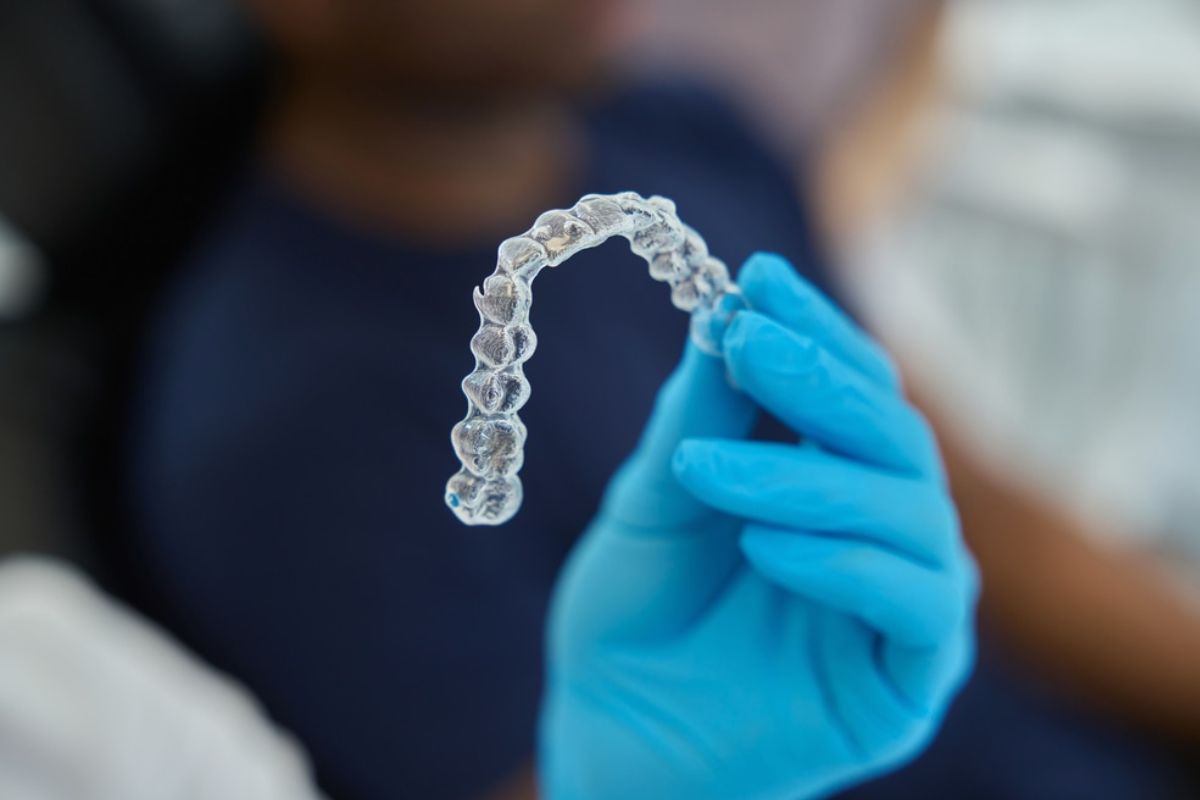
What allows modern aligner systems to handle complexity is not just the trays themselves, but the planning behind them. Each treatment begins with a digital scan that maps tooth position, jaw relationship, and movement pathways. This creates a virtual roadmap showing how each tooth will move, step by step.
Key ways aligners address advanced cases include:
- Staged tooth movement that avoids unnecessary pressure and reduces discomfort
- Custom attachments that provide precise control for rotations and vertical shifts
- Progress tracking that allows refinements if teeth respond differently than expected
- Bite correction sequencing that balances function along with aesthetics
For patients seeking invisalign arlington options, this technology ensures treatment is not generic but tailored to the unique anatomy of each smile.
Addressing Bite Problems Without Braces
Bite issues are often the most misunderstood part of orthodontics. They aren’t just about appearance; they affect chewing efficiency, speech, jaw comfort, and even long-term tooth health. Left untreated, misaligned bites can contribute to headaches, uneven enamel wear, and jaw tension.
Clear aligners correct bite problems by gradually repositioning teeth into healthier relationships. Instead of forcing sudden changes, the system works incrementally, allowing muscles and joints to adapt naturally. This approach is especially helpful for adults who may already experience jaw sensitivity.
Why Adults in Arlington Are Choosing This Approach
Arlington is home to professionals, parents, students, and retirees alike. Many adults want orthodontic improvement but hesitate because of visibility, lifestyle disruption, or past assumptions about eligibility. The flexibility of aligner therapy fits seamlessly into local routines, whether that’s commuting, attending events, or enjoying meals around the city.
Patients often appreciate:
- Removable trays that support normal eating habits
- Easier oral hygiene compared to fixed appliances
- Fewer in-office emergencies
- A discreet appearance during treatment
These benefits make invisalign arlington care particularly appealing to those balancing busy schedules.
When Aligners May Not Be Enough Alone
Transparency matters in orthodontic care. While aligners are powerful, some cases may require additional strategies such as phased treatment or supportive appliances. An experienced orthodontist evaluates bone structure, tooth roots, and jaw position before recommending any plan.
The goal is always long-term stability, not quick cosmetic fixes.
Schedule a Consultation With a Trusted Local Orthodontist
If you’ve been told in the past that your dental issues were “too complicated,” it may be time for a second look. Advances in orthodontic technology have expanded what’s possible, even for adults who previously thought treatment was no longer an option.
At Hildebrand Orthodontics, patients in Arlington receive personalized evaluations that focus on function, comfort, and confidence. A consultation offers clarity, not pressure, and helps determine whether clear aligner therapy is the right fit for your needs and goals.
Booking an appointment is the first step toward understanding your options and creating a plan that works for your lifestyle not against it.
Frequently Asked Questions
Can clear aligners really fix serious bite problems?
Yes, many moderate to complex bite issues can be corrected when treatment is properly planned and monitored by an orthodontic specialist.
How long does treatment usually take for complex cases?
Timelines vary, but more advanced cases may take longer than cosmetic alignment. Your orthodontist will provide a realistic estimate after the evaluation.
Are attachments noticeable?
Attachments are tooth-colored and designed to be subtle. Most people don’t notice them during everyday interactions.
Is aligner treatment painful?
Mild pressure is normal, especially when switching trays, but discomfort is typically short-lived and manageable.
How do I know if I’m a good candidate?
The best way is through an in-person consultation that includes digital scans and a full orthodontic assessment.