817-803-8090

How Do Braces Work to Straighten Your Teeth?

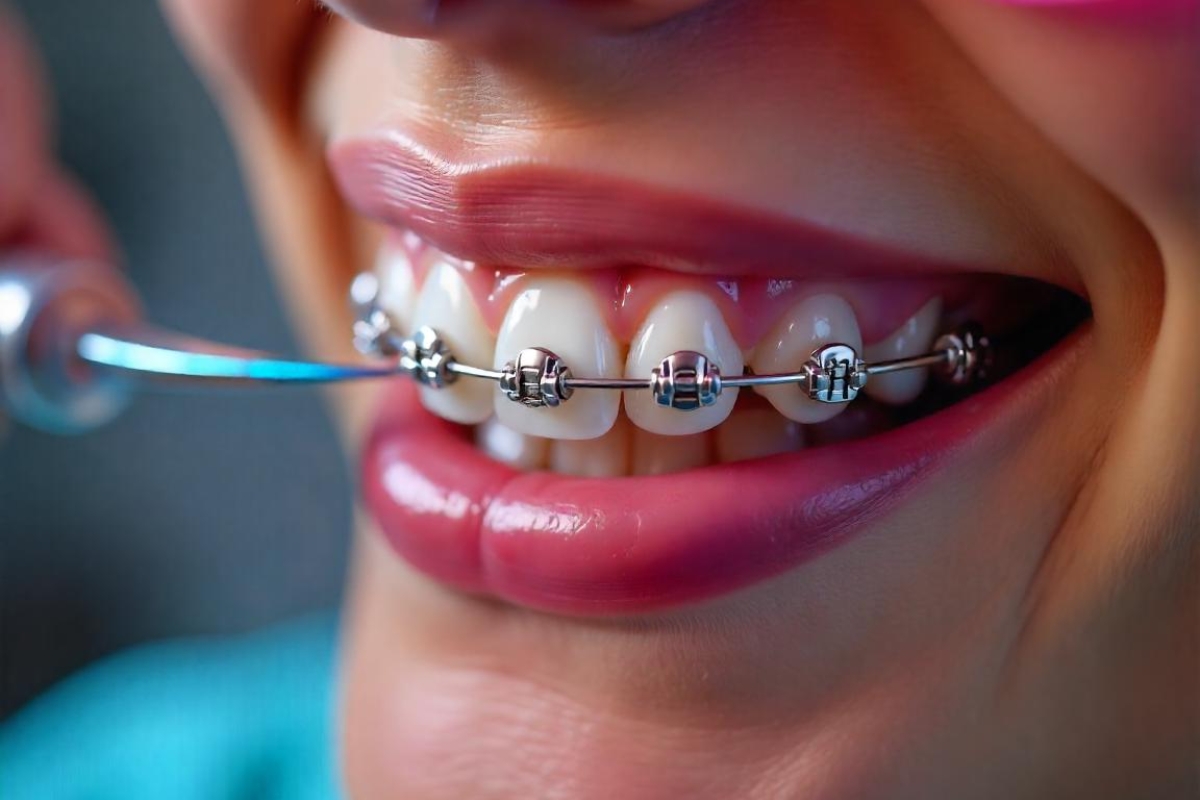
Braces are an essential orthodontic treatment designed to align and straighten teeth. Whether you’re looking to correct bite issues, close gaps, or straighten crooked teeth, traditional aligners are an effective solution for achieving a healthier smile. With various types available today, it’s easier than ever to find a system that suits your needs. Dental straighteners apply consistent pressure to teeth over time, gradually shifting them into better alignment. This blog will explore the different types of braces, how they work, and the benefits they offer.
Types of Braces
Several braces are available, each designed to meet specific needs and preferences. Below are the most common types of Braces:
Traditional Metal Braces
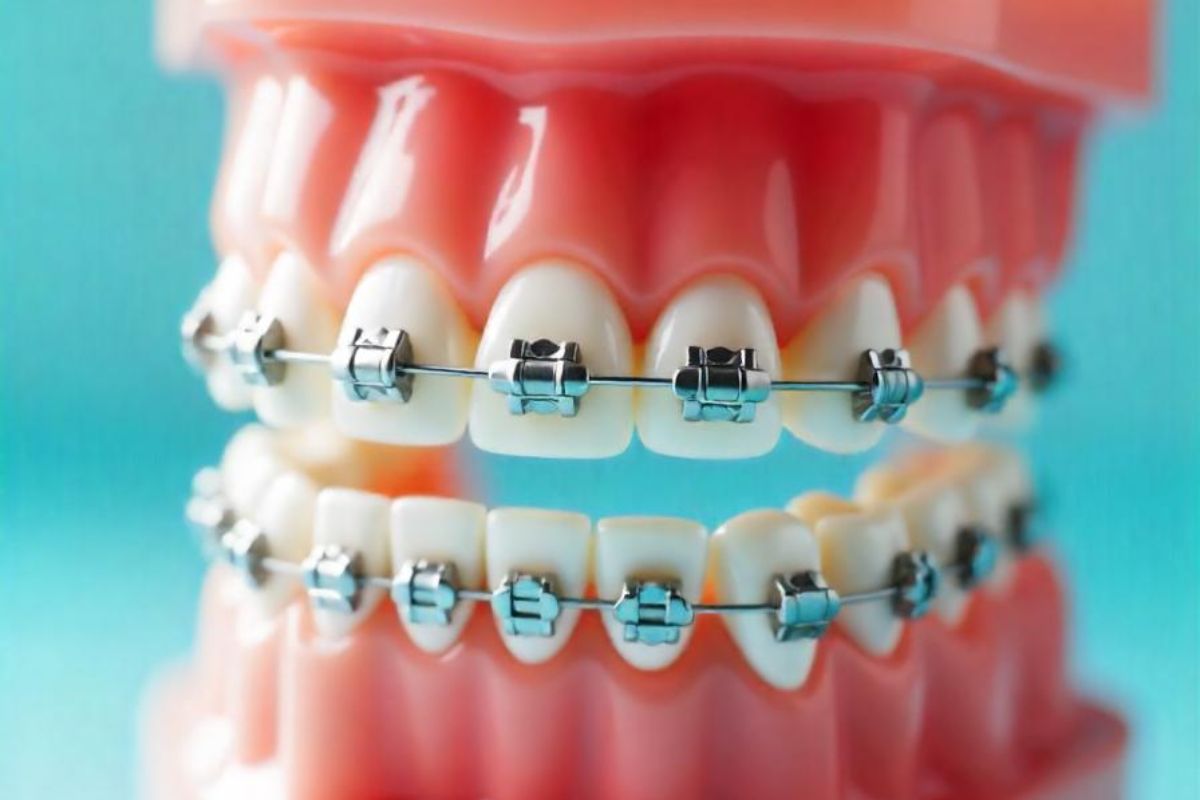
Traditional metal braces are the most widely used and recognized option. They consist of metal brackets attached to the teeth, with a wire threaded through them. They are highly effective in straightening teeth and have been used for many years. Today’s metal aligners are smaller, more comfortable, and come in various colors for a more personalized look.
Clear Braces
Clear braces use ceramic or porcelain brackets that blend with the color of your teeth, making them less noticeable than traditional metal ones. While they function similarly to conventional counterparts, they are a more aesthetically appealing choice for those concerned about their appearance during treatment.

Mini Braces
Mini teeth aligners are a smaller version of traditional metal ones. They work the same way as regular braces but are more discreet due to their smaller size. Mini teeth straighteners are a great option for individuals who need treatment but want a less noticeable solution.
Invisalign
Invisalign is a clear aligner system that gradually straightens teeth using custom-made, transparent trays. These aligners are removable, allowing for greater convenience and easier maintenance than traditional ones. Invisalign is ideal for individuals who prefer a more discreet, flexible treatment option.
What Are The Three Key Parts of Braces?
Braces work through components to shift your teeth into the desired position. The three key parts are-
Brackets
Brackets are small, square-shaped attachments bonded to the surface of your teeth. They hold the archwire in place and act as the connection point for the entire system. Brackets are made with metal, ceramic, or plastic material.
Archwire
The archwire is a thin metal wire that runs through the brackets and applies gentle pressure to the teeth. It is adjusted periodically to continue guiding the teeth into proper alignment.
Ligatures (Elastic Bands)
Ligatures are small rubber bands or wires that hold the archwire to the brackets. These can be clear or colored and are frequently adjusted during orthodontic visits.
How Do Braces Work to Move Teeth?
They work through the principle of controlled force. When the archwire is adjusted, it applies pressure to the brackets, which in turn applies pressure to the teeth. Over time, this force causes the bone around the teeth to remodel, allowing the teeth to shift into new positions. The movement of teeth occurs gradually, so they typically require 18 months to 3 years to complete treatment, depending on the severity of the misalignment.
The process involves two key stages:
- Tooth Movement: Initially, the aligners move the teeth by compressing and stretching the bone around the roots.
- Bone Remodeling: Over time, the bone adjusts to the new tooth positions, solidifying the teeth in their new alignment.
Do Braces Hurt?
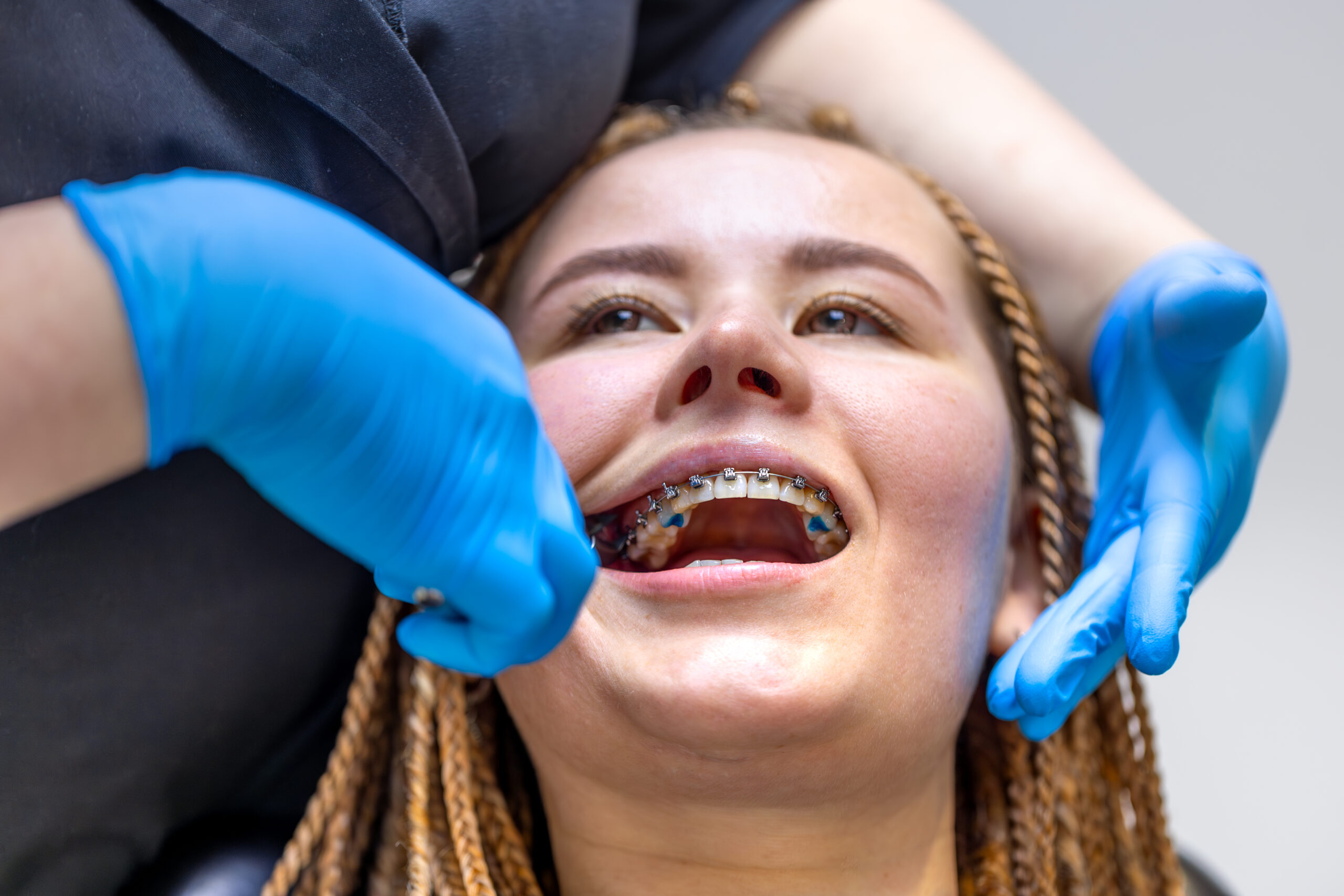
It’s common to feel discomfort when aligners are first applied or after an adjustment. The pressure applied to the teeth is necessary to move them, and this can result in soreness for a few days. However, this pain is temporary and typically manageable with over-the-counter pain relievers or ice packs. As the teeth gradually adjust to the new pressure, the discomfort decreases.
Do Braces Work Similar in Adults and Children?
They are effective for children and adults, but there are a few differences in how treatment works.
- Children: Since children’s teeth and jaws are still developing, braces can be more effective in moving teeth. The process may be quicker for younger patients, as their bones are more flexible.
- Adults: While adults can still benefit from braces, treatment may take longer because their bones are denser and less flexible. Adults may also require additional procedures, such as teeth extractions or jaw surgery if the misalignment is severe.
Benefits of Teeth Straighteners
They offer a wide range of benefits that go beyond just cosmetic improvement:
- Improved Oral Health: Straightened teeth are easier to clean, reducing the risk of cavities, bleeding, and gum disease.
- Better Function: Correcting bite issues with braces can improve chewing and speaking.
- Increased Self-Confidence: A straight smile can enhance your self-esteem and how you feel about your appearance.
- Long-Term Results: Unlike temporary treatments, aligners offer permanent improvements to tooth alignment.
Braces are a highly effective treatment option for straightening teeth improving function and appearance. Various types are available, including traditional metal, clear, mini-braces, and Invisalign. Understanding how they work and their benefits can help you decide on your orthodontic treatment.
If you’re considering braces, Hildebrand Orthodontics can help you find the right solution. Contact us today to schedule a consultation and start your journey toward a healthier, straighter smile.