817-803-8090

Why Traditional Braces Are Still the Right Call for a Lot of Cases

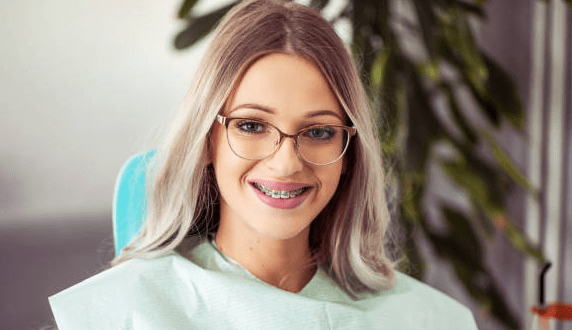
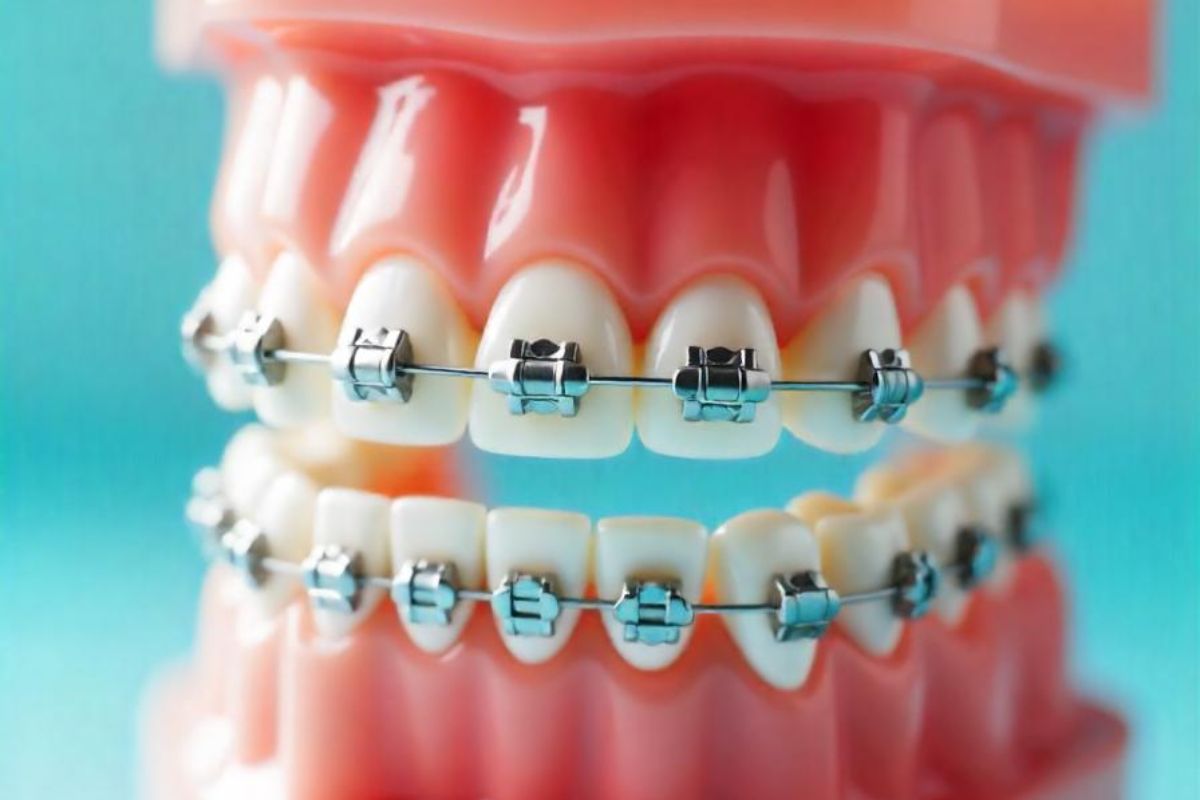
With so many orthodontic options available today, it’s easy to assume traditional braces have become outdated, replaced entirely by clear aligners and other more discreet alternatives. In reality, traditional braces remain one of the most effective, reliable tools for correcting a wide range of alignment and bite issues, and for certain cases, they’re still the option most likely to deliver the best possible result in the most predictable timeframe.
Comprehensive traditional braces treatment in Arlington, TX continues to make up a significant portion of the cases Hildebrand Orthodontics treats, precisely because a fixed, wire-based system offers a level of control over tooth movement that removable options sometimes can’t fully replicate, particularly for more complex bite corrections.
Why traditional braces still make sense for a lot of patients
Removable aligners depend heavily on patient compliance — they only work as intended if they’re worn consistently for the recommended hours each day. Traditional braces remove that variable almost entirely, since they’re fixed in place and working continuously, regardless of whether a patient remembers to put them back in after a meal. For younger patients especially, or for anyone dealing with a more involved bite correction, that consistency can make a meaningful difference in both the predictability and the overall length of treatment.
Traditional braces are also generally better suited to more complex cases involving significant rotation, severe crowding, or more involved bite corrections that go beyond what removable aligners are typically designed to address. That doesn’t mean aligners aren’t effective for plenty of cases, but for certain types of corrections, a fixed appliance simply has more capability to move teeth in ways aligners can’t always achieve on their own.
Reasons Hildebrand Orthodontics often recommends traditional braces:
- More significant crowding or spacing that requires more controlled, precise movement
- Complex bite corrections involving how the upper and lower jaw align
- Patients, particularly younger ones, who may struggle with the discipline removable aligners require
- Cases involving rotated teeth that need more force than aligners typically provide
- A more predictable overall treatment timeline for complex corrections
- Lower risk of treatment delays caused by inconsistent daily wear
What the modern experience of wearing braces is actually like
A lot of the hesitation around traditional braces comes from outdated assumptions, often based on decades-old memories of clunky, uncomfortable hardware. Modern brackets are considerably smaller and more comfortable than older versions, and advances in wire technology mean the gentle, continuous pressure applied to shift teeth tends to be more comfortable and often more efficient than older systems used to be.
The day-to-day experience involves regular adjustment visits, typically every four to six weeks, along with some initial soreness for the first few days after placement and after each adjustment as the teeth respond to the applied pressure. A handful of dietary adjustments help protect the brackets and wires, avoiding especially sticky or hard foods that could dislodge hardware or bend wires, but beyond that, most patients settle into the routine within the first couple of weeks and don’t think much about it day to day.
What families in Arlington can expect throughout treatment
Arlington’s mix of established neighborhoods and newer families moving into the broader DFW area means Hildebrand Orthodontics sees a wide range of patients, from young kids just starting orthodontic evaluation to teenagers and adults addressing more involved bite corrections. For younger patients specifically, traditional braces often make the most practical sense, since the fixed nature of the appliance removes any concern about compliance that comes with a removable option, letting parents feel confident that treatment is progressing as planned regardless of whether their child remembers to wear something consistently on their own.
Arlington’s busy sports culture is worth mentioning as well. Traditional braces pair well with standard mouthguards designed specifically for orthodontic patients, offering reliable protection during contact sports without needing to remove any hardware beforehand.
A few pointers for anyone starting treatment with traditional braces:
- Stock up on orthodontic wax ahead of time to manage any initial irritation while your mouth adjusts to the brackets
- Keep a small kit with soft floss threaders or an interdental brush to make cleaning around wires more manageable
- Avoid particularly sticky or hard foods throughout treatment to prevent damage to brackets or wires
- Don’t skip adjustment appointments, since consistent visits are part of what keeps treatment progressing on schedule
- Ask about a mouthguard specifically designed for braces if you or your child play contact sports
What happens during a typical adjustment visit
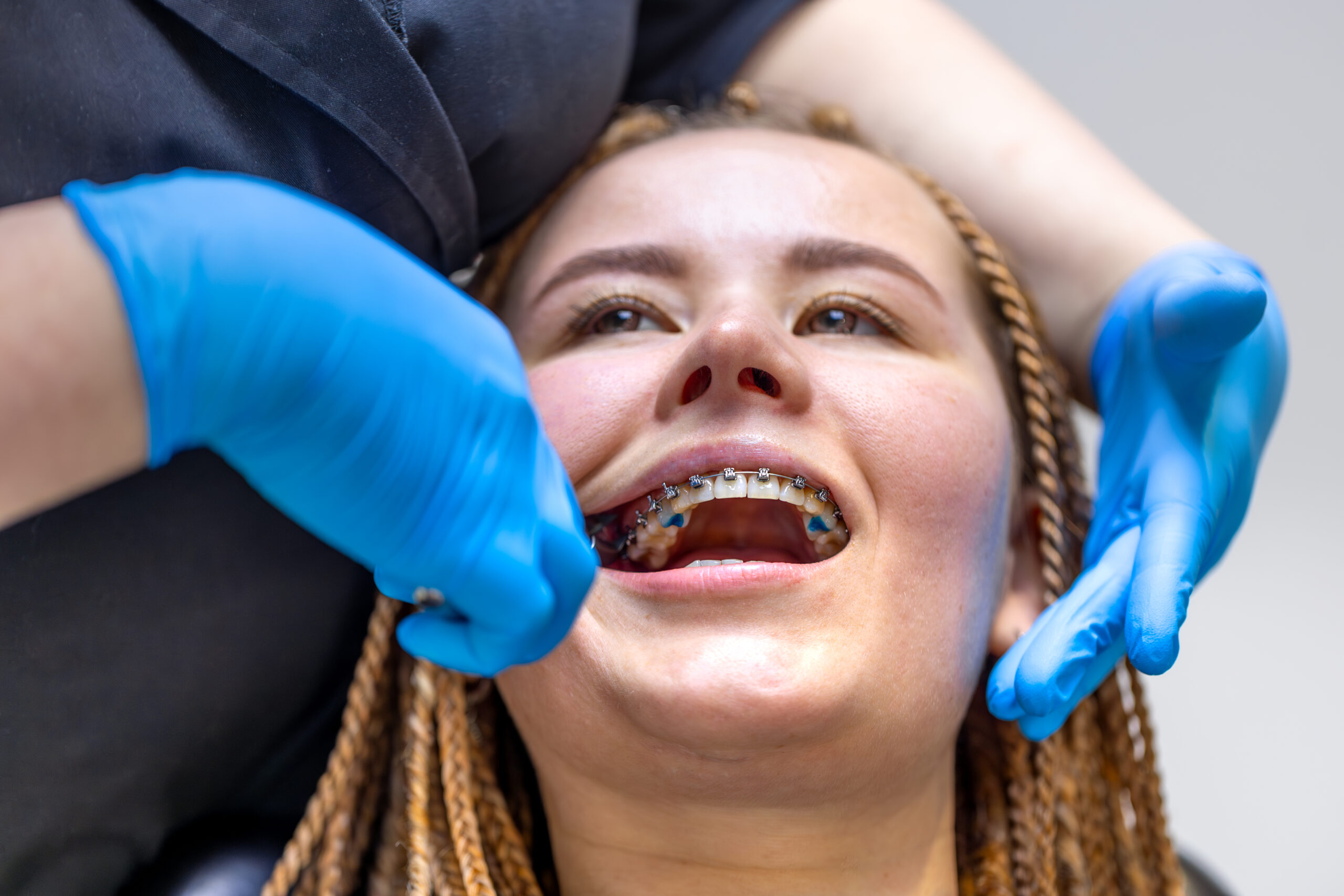
Adjustment appointments are generally quick, often lasting just fifteen to thirty minutes, and typically involve replacing or tightening the wire to continue guiding teeth toward their planned final position. Some mild soreness is normal for a day or two afterward, similar to what’s felt right after braces are first placed, though it tends to be less intense with each subsequent visit as teeth become more accustomed to the ongoing, gentle pressure.
FAQs
Are traditional braces still effective compared to newer treatment options?
Yes, traditional braces remain one of the most reliable and effective options available, particularly for more complex bite corrections or significant crowding that benefits from a fixed appliance’s consistent, controlled movement.
How long does treatment with traditional braces typically take?
It varies by case, but many patients are in braces somewhere between twelve and twenty-four months, depending on the complexity of the correction needed.
Does getting braces hurt?
There’s usually some soreness for the first few days after initial placement and after each adjustment, but it’s generally manageable and improves quickly.
Are traditional braces a better option than aligners for kids specifically?
Often yes, since younger patients may have a harder time maintaining the consistent daily wear that removable aligners require, whereas fixed braces work continuously without depending on daily compliance.
What foods should be avoided during treatment?
Sticky and very hard foods, like caramel, popcorn, or hard candy, can loosen brackets or bend wires and are generally best avoided throughout treatment.
How often are adjustment appointments needed?
Typically every four to six weeks, though this can vary slightly depending on your specific treatment plan.
What happens if a bracket comes loose between appointments?
It’s worth calling the office promptly so the team can advise on next steps and get you scheduled for a repair before it affects your overall treatment progress.
Will I need a retainer once my braces come off?
Yes, wearing a retainer afterward is essential for maintaining the new position of your teeth, with wear time typically reduced gradually over time as directed.
If your case involves more significant crowding, spacing, or a bite correction that needs precise, consistent movement, traditional braces may genuinely be the most effective route to your best possible result. A consultation is the best way to find out exactly what your specific situation calls for, and to get a clear, realistic sense of what treatment would involve from start to finish.