2200 W Interstate 20 Ste 100, Arlington, TX 76017

How Do Braces Move My Teeth?

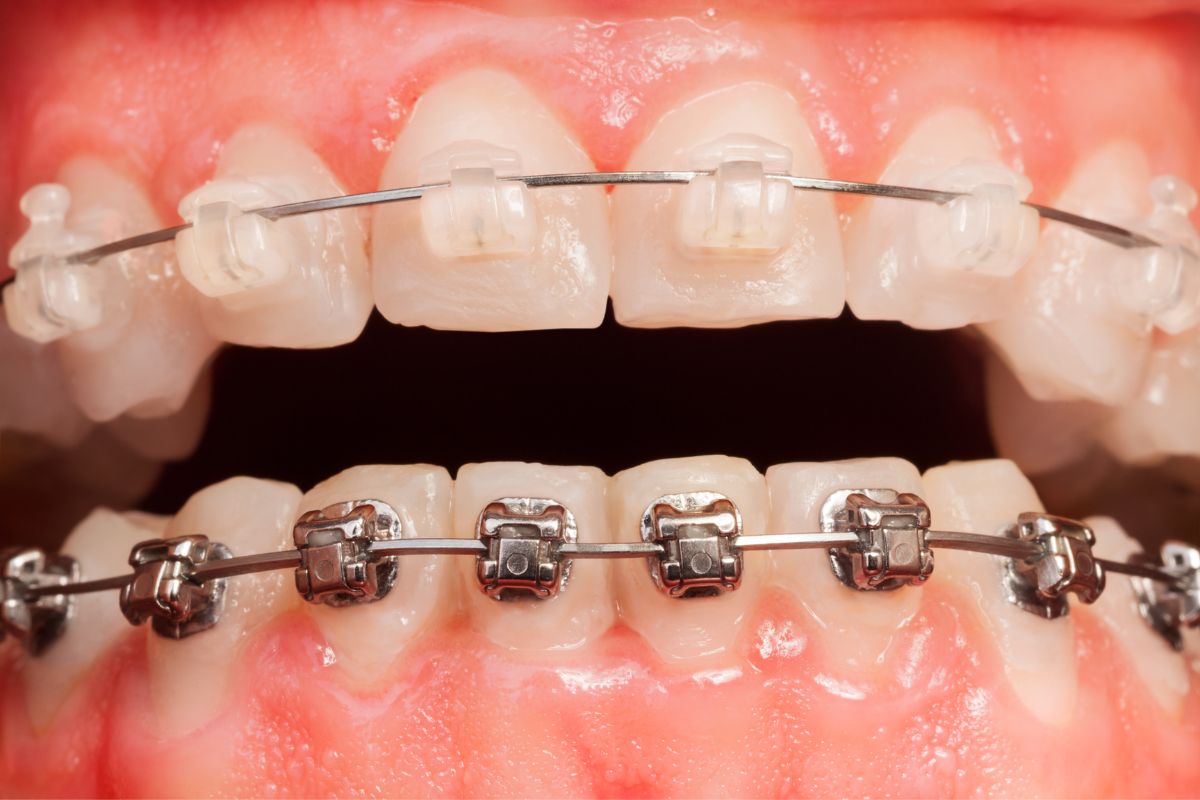
Braces are a common orthodontic treatment designed to correct dental alignment issues, improve oral health, and enhance the appearance of your smile. But have you ever wondered how braces move your teeth? This blog will explore the science behind braces, the different components involved, and the process of tooth movement. We’ll also look at some statistics and facts to provide a comprehensive understanding of how braces work.
Understanding Braces: The Basics
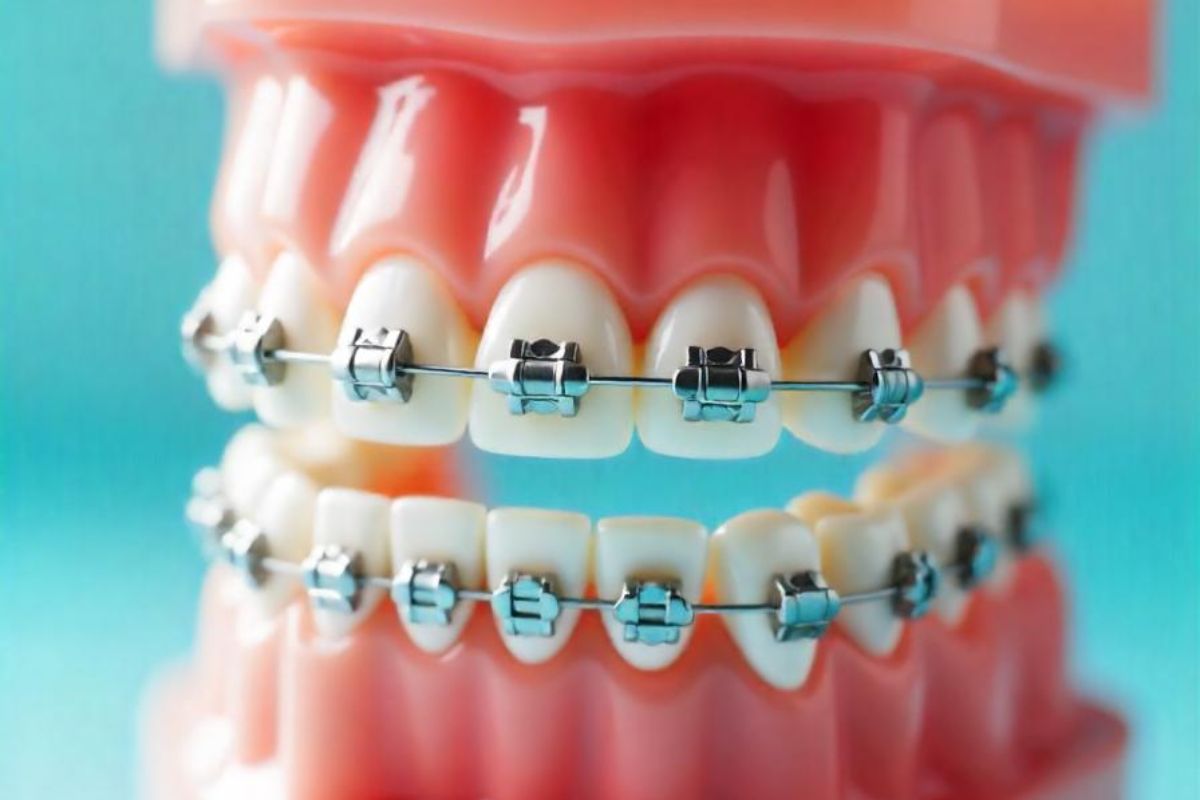
Braces consist of several components that work together to apply continuous pressure on the teeth, gradually shifting them into the desired position. The main parts of braces include:
- Brackets: These small metal or ceramic attachments are bonded to each tooth.
- Archwires: A thin metal wire that connects the brackets and exerts pressure on the teeth.
- Bands: Metal rings that encircle the molars and provide anchor points for the archwires.
- Elastics: Small rubber bands that connect the upper and lower brackets, helping to correct bite issues.
The Science Behind Tooth Movement
Bone Remodeling
The key to understanding how braces move teeth lies in the process of bone remodeling. When braces apply pressure to the teeth, it triggers a biological response in the surrounding bone and periodontal ligament. Here’s a step-by-step breakdown of the process:
- Pressure Application: The archwire exerts gentle, continuous pressure on the teeth, creating tension on one side and compression on the other.
- Bone Resorption: On the compression side, the pressure causes osteoclasts (bone-resorbing cells) to break down the bone tissue.
- Bone Formation: On the tension side, osteoblasts (bone-forming cells) build new bone tissue to accommodate the tooth’s new position.
- Tooth Movement: As the bone remodels, the tooth gradually shifts into the desired position.
Periodontal Ligament
The periodontal ligament (PDL) is a fibrous connective tissue that surrounds the roots of the teeth and attaches them to the surrounding bone. The PDL plays a crucial role in tooth movement by acting as a shock absorber and transmitting the forces applied by the braces. The PDL contains nerve fibers, blood vessels, and cells that respond to the pressure exerted by braces, facilitating the bone remodeling process.
The Stages of Orthodontic Treatment
Initial Alignment
During the initial stage of treatment, the primary goal is to align the teeth and level the dental arches. Light, flexible archwires are used to gently move the teeth into a more favorable position. This stage can last several months, depending on the severity of the misalignment.
Space Closure
In cases where there are gaps between the teeth, the next stage focuses on closing these spaces. Stronger archwires and elastics may be used to pull the teeth together. This stage can also involve the use of power chains (a series of connected elastics) to provide additional force.
Bite Correction
The final stage of treatment involves correcting the bite and ensuring that the upper and lower teeth fit together properly. This may involve the use of elastics, headgear, or other orthodontic appliances to achieve the desired bite alignment.
Retention
Once the teeth have been moved into their final positions, retainers are used to hold them in place while the surrounding bone and tissue stabilize. Retainers can be removable or fixed, and wearing them as prescribed by your orthodontist is essential for maintaining the results of your treatment.
Statistics and Facts
Prevalence of Braces
- According to the American Association of Orthodontists (AAO), approximately 4 million people in the United States wear braces.
- The majority of orthodontic patients are children and teenagers, but adults are increasingly seeking orthodontic treatment. The AAO reports that one in four orthodontic patients is an adult.
Treatment Duration
- The average duration of orthodontic treatment with braces is about 18 to 24 months, although it can vary based on individual needs and the complexity of the case.
Success Rate
- Orthodontic treatment with braces has a high success rate, with studies showing that over 90% of patients achieve satisfactory results.
Benefits Beyond Aesthetics
- Braces not only improve the appearance of your smile but also contribute to better oral health. Properly aligned teeth are easier to clean, reducing the risk of cavities and gum disease. Additionally, correcting bite issues can alleviate jaw pain and improve overall oral function.
FAQs About Braces
Do Braces Hurt?
- While braces can cause some discomfort, especially after adjustments, the pain is usually mild and temporary. Over-the-counter pain relievers and orthodontic wax can help alleviate discomfort.
How Often Are Adjustments Needed?
- Most patients need to visit their orthodontist for adjustments every 4 to 6 weeks. During these visits, the orthodontist will tighten the archwire and make other necessary modifications to ensure the teeth continue to move as planned.
Can I Still Play Sports or Musical Instruments?
- Yes, you can still participate in sports and play musical instruments while wearing braces. For contact sports, it’s essential to wear a mouthguard to protect your teeth and braces. If you play a wind instrument, your orthodontist can provide tips and modifications to help you adapt.
What Foods Should I Avoid?
- To prevent damage to your braces, avoid hard, sticky, and chewy foods such as nuts, popcorn, chewing gum, and caramel. Cut up fruits and vegetables into smaller pieces, and opt for softer foods when possible.
Conclusion
Braces are an effective and reliable way to correct dental alignment issues and achieve a healthy, beautiful smile. The process of tooth movement involves a combination of mechanical pressure and biological responses, resulting in gradual, controlled shifts in tooth position. Understanding how braces work can help you appreciate the science behind your orthodontic treatment and motivate you to follow your orthodontist’s instructions for optimal results.
If you’re considering braces or have questions about your orthodontic treatment, consult with an orthodontist in Arlington. At Breezy Point Smiles, our experienced team is dedicated to providing comprehensive orthodontic care tailored to your unique needs. Visit us today to start your journey toward a healthier, more confident smile.