817-803-8090

Does Invisalign Hurt? Insights from an Arlington Orthodontist

Invisalign has become a popular alternative to traditional braces for straightening teeth, offering a more discreet and comfortable option. However, many potential patients have concerns about the level of discomfort associated with this orthodontic treatment. As an experienced orthodontist in Arlington, I’m here to address these concerns and provide you with a clear understanding of what to expect during your Invisalign journey.
What is Invisalign?
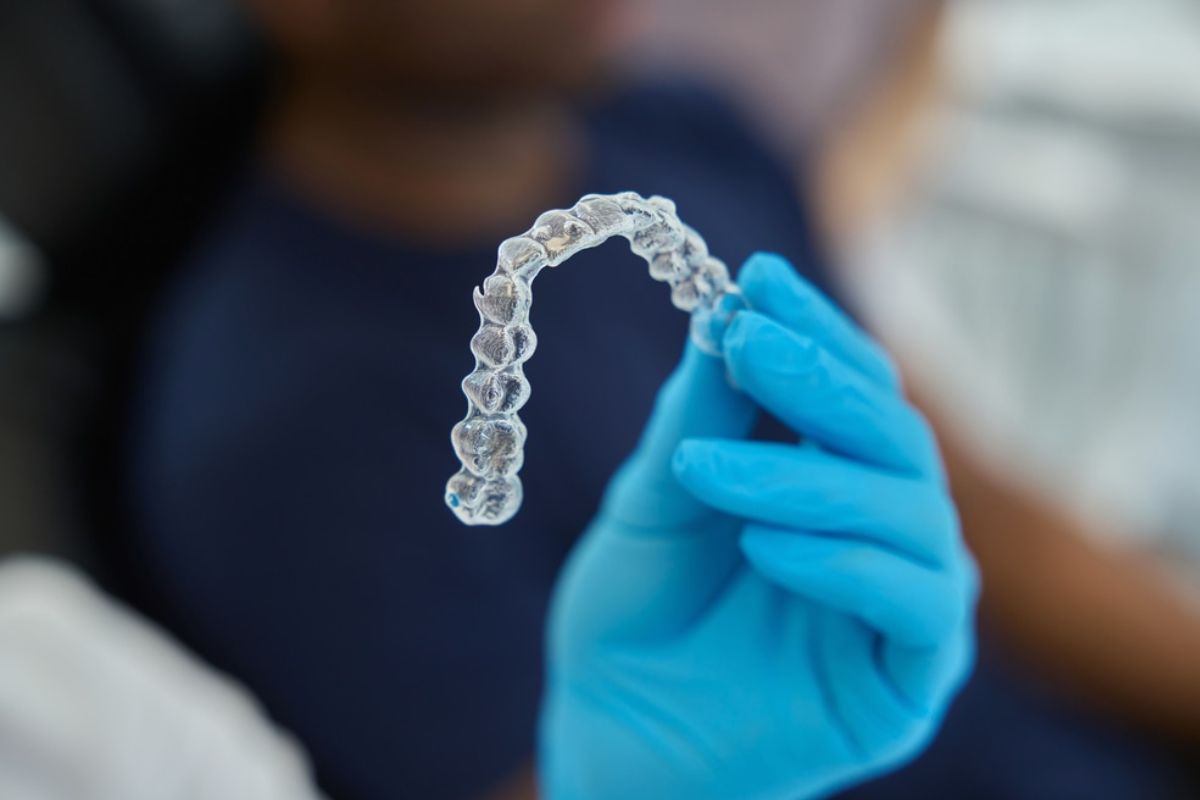
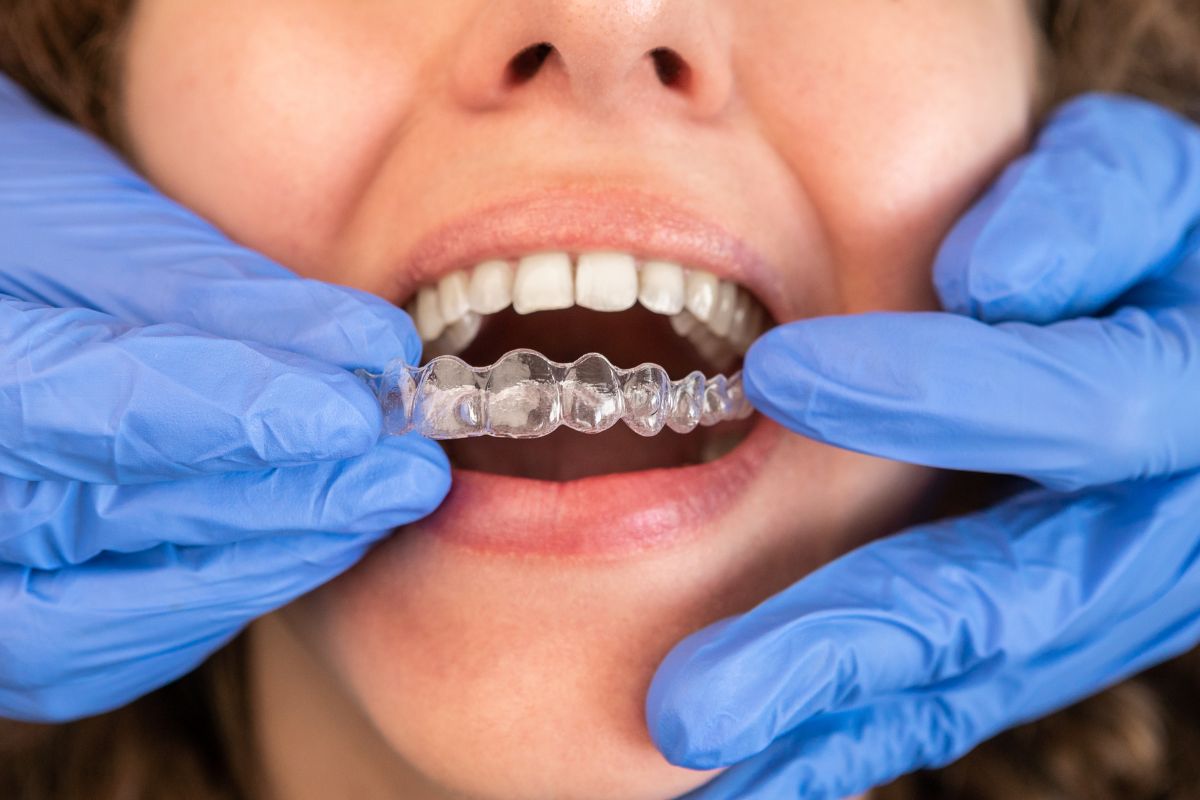
Invisalign is an orthodontic treatment that uses a series of clear, removable aligners to gradually move teeth into their desired positions. Unlike traditional metal braces, Invisalign aligners are virtually invisible and can be removed for eating, drinking, and oral hygiene.
How Invisalign Works
- Initial Consultation: During your first visit, your orthodontist will assess your dental needs and create a customized treatment plan using 3D imaging technology.
- Aligner Production: Based on your treatment plan, a series of custom aligners are created to fit snugly over your teeth.
- Progressive Shifting: You’ll wear each set of aligners for approximately two weeks before moving on to the next set, gradually shifting your teeth into alignment.
Is Invisalign Painful?
While Invisalign is generally considered to be more comfortable than traditional braces, some level of discomfort can be expected, especially when starting treatment or switching to a new set of aligners.
Types of Discomfort
- Initial Pressure: When you first begin wearing your Invisalign aligners, you may experience a feeling of pressure on your teeth. This is a normal part of the process as your teeth begin to shift into their new positions.
- Soreness: Some patients report mild soreness in their teeth and gums, similar to the sensation you might feel after a dental cleaning or a new pair of shoes.
- Adjustments: As you transition to new aligners, there may be brief periods of discomfort as your teeth adjust to the changes.
Duration of Discomfort
- Initial Phase: The first few days after receiving your aligners are typically when discomfort is most noticeable. This usually subsides within a week as your mouth adjusts.
- Aligner Changes: Each time you switch to a new set of aligners, you may experience minor discomfort, which should also diminish within a few days.
Comparing Invisalign to Traditional Braces
Invisalign offers several advantages over traditional metal braces, particularly in terms of comfort.
Traditional Braces
- Brackets and Wires: Metal braces involve brackets bonded to your teeth and wires that can irritate the inside of your mouth.
- Discomfort: Adjustments to metal braces can be more painful, with the potential for sores and discomfort from the metal components.
Invisalign Aligners
- Smooth Surface: Invisalign aligners are made from smooth plastic, reducing the risk of irritation and sores compared to metal braces.
- No Wires or Brackets: The absence of metal components eliminates the risk of wire-related discomfort.
Tips for Managing Invisalign Discomfort
- Use Over-the-counter Pain Relief: If you experience discomfort, over-the-counter pain relievers like ibuprofen or acetaminophen can help alleviate pain.
- Stick to a Soft Diet: Eating softer foods can reduce the pressure on your teeth and provide relief from discomfort.
- Stay Hydrated: Drinking plenty of water can help soothe your mouth and keep your aligners clean.
- Practice Good Oral Hygiene: Proper brushing and flossing can help prevent gum irritation and maintain overall oral health.
When to Contact Your Orthodontist
While mild discomfort is normal, certain symptoms may indicate a problem that requires professional attention:
- Persistent Pain: If discomfort persists beyond the initial adjustment period or becomes severe, contact your orthodontist.
- Misfit Aligners: If your aligners don’t fit properly or cause significant pain, your orthodontist may need to make adjustments.
- Damage to Aligners: If your aligners become damaged or cracked, seek guidance from your orthodontist to ensure your treatment remains on track.
The Benefits of Invisalign Despite Discomfort
Despite the mild discomfort associated with Invisalign, many patients find the benefits far outweigh the temporary challenges:
- Discreet Appearance: Invisalign aligners are clear and virtually invisible, making them a popular choice for adults and teens.
- Removable: You can remove aligners for eating, drinking, and brushing, offering flexibility and convenience.
- Fewer Office Visits: Invisalign typically requires fewer visits to the orthodontist compared to traditional braces, reducing the overall time commitment.
Conclusion
Invisalign is designed to offer a comfortable and effective orthodontic treatment experience. While some initial discomfort is normal, it is usually mild and short-lived. With proper care and adherence to your orthodontist’s instructions, Invisalign can provide a smooth and successful path to a straighter smile.
If you’re considering Invisalign and have concerns about discomfort, don’t hesitate to reach out to your Arlington orthodontist. We’re here to provide support, answer your questions, and ensure that your journey to a beautiful smile is as comfortable as possible.