2200 W Interstate 20 Ste 100, Arlington, TX 76017


Why Experience Matters When Choosing an Invisalign Provider

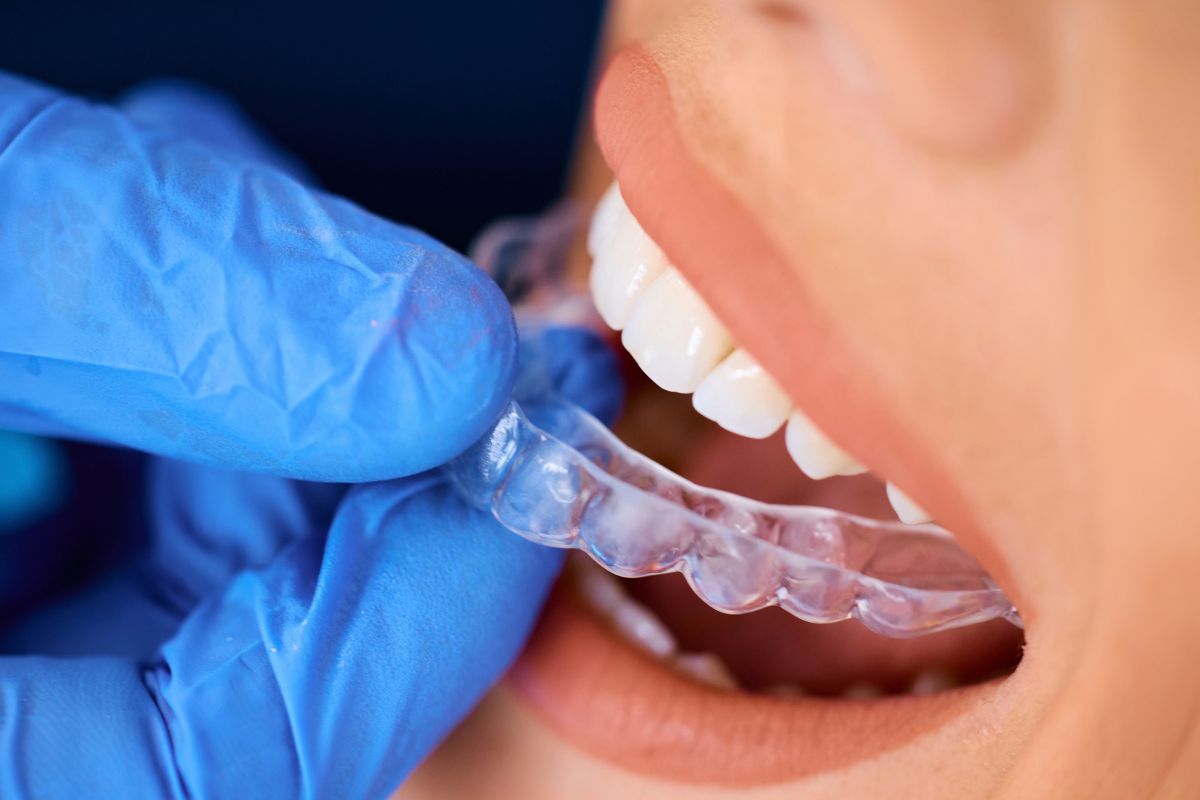
Choosing an Invisalign provider involves more than finding a convenient office or comparing prices. Clear aligner treatment requires carefully planned tooth movements, and your orthodontist needs to understand how those movements affect your bite and overall smile. Experience can be especially helpful when your teeth do not move exactly as expected during treatment.
For those exploring Invisalign in Arlington, it can help to look at how different providers approach treatment planning, progress checks, adjustments, and long-term results. This gives you a better understanding of what to expect beyond simply choosing a practice that offers Invisalign.
Experience Can Influence Treatment Planning
Every smile presents its own challenges. Two patients may have similar crowding but still require different tooth movements. An experienced orthodontist can look beyond the visible position of the teeth and consider how each movement may affect the overall bite.
Treatment planning may involve deciding which teeth should move, how much movement is appropriate, and how the final positions should work together. The goal is not simply to make teeth look straighter. A well-planned approach also considers how the upper and lower teeth fit together.
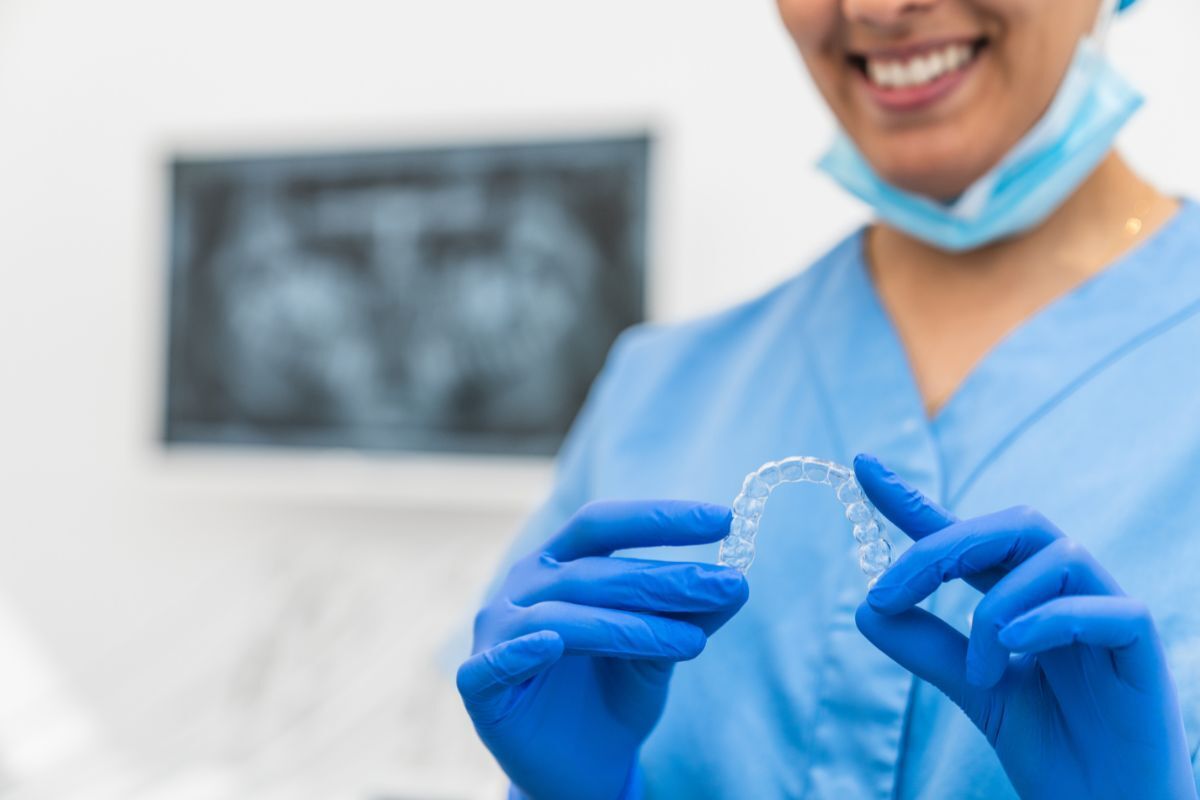
Digital scanning technology can create detailed 3D images to help develop an individualized Invisalign treatment plan. These images can also help patients visualize how their teeth may move throughout treatment.
Not Every Case Moves Exactly as Predicted
One of the reasons professional oversight matters is that teeth do not always move according to a computer-generated plan. An aligner may not fit as expected, a tooth may move more slowly than anticipated, or additional movement may be needed to reach the desired position.
An experienced provider can recognize these changes during follow-up appointments and determine what should happen next. Depending on the situation, the treatment plan may need to be modified or additional aligners may be required.
This is different from simply moving through a predetermined series of trays without evaluating how your teeth are actually responding.
Complex Tooth Movements Require Careful Attention
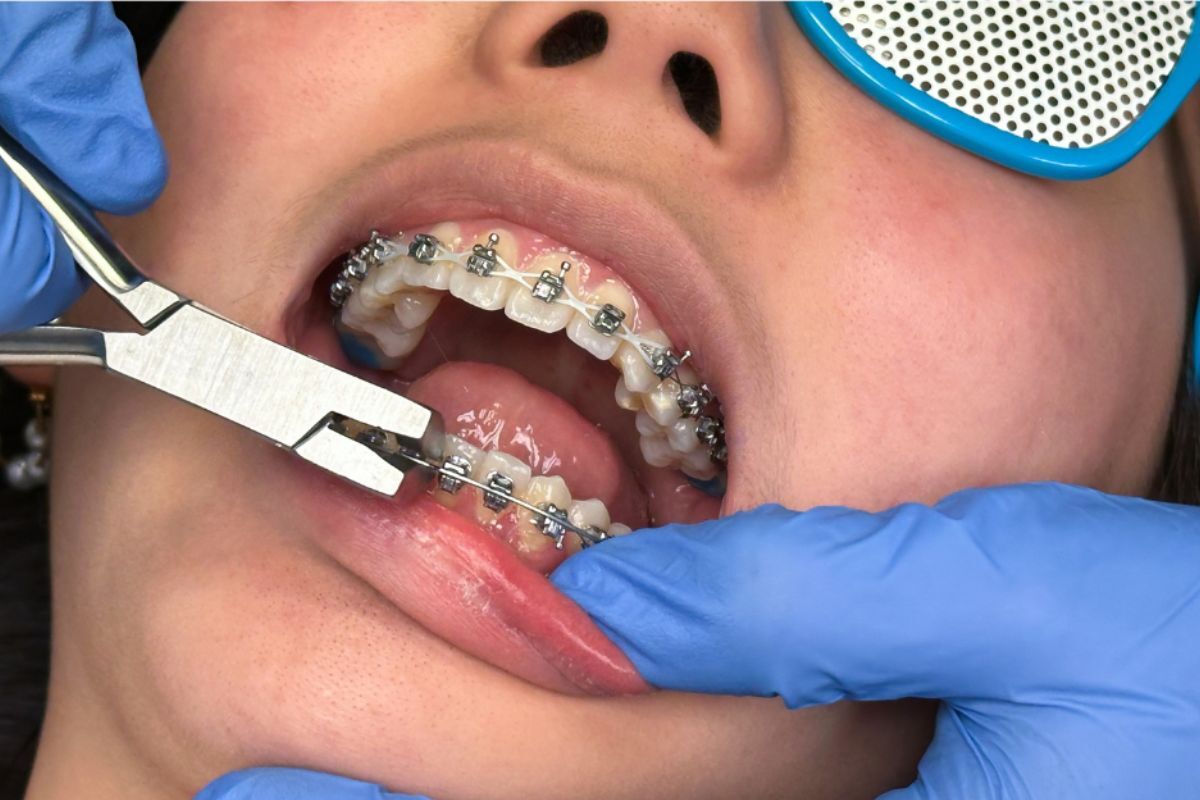
Some Invisalign cases involve relatively straightforward alignment, while others may include crowding, spacing, crossbites, open bites, overbites, or underbites.
Invisalign can be used to address a range of orthodontic concerns, including different types of alignment and bite issues. When several concerns are present at the same time, careful treatment planning becomes especially important.
An orthodontist needs to consider how correcting one area may affect another. Experience can help guide these decisions and identify movements that may require closer attention throughout treatment.
Look Beyond the Initial Treatment Plan
A treatment plan is a starting point, but it is not the only important part of Invisalign care. Your orthodontist should continue evaluating your progress throughout treatment.
Regular appointments provide an opportunity to check whether your teeth are moving as planned. If something is not progressing as expected, adjustments can be made rather than waiting until the end of treatment.
Checkup schedules can vary depending on your treatment plan and individual needs. Regular monitoring helps your orthodontist track your progress and determine whether any changes are needed along the way.
Experience Can Help With Refinements
Some patients may need additional aligners after completing their initial series. This does not necessarily mean that treatment failed. Teeth can respond differently from the original prediction, and refinements may be used to make further adjustments.
An experienced Invisalign provider should be able to explain why refinements may be recommended and what they are intended to accomplish. Patients should feel comfortable asking whether additional aligners are included in their treatment plan and how the provider handles changes in tooth movement.
Understanding this before treatment begins can help prevent surprises later.
Bite Correction Should Be Part of the Conversation
A straighter smile is often the main reason people consider Invisalign, but your bite deserves equal attention. The way your teeth meet can influence chewing, tooth wear, and overall oral function.
An orthodontist should evaluate your bite rather than concentrating only on the front teeth. This is particularly relevant when treating overbites, underbites, crossbites, or open bites.
A provider with orthodontic experience can consider both aesthetics and function when determining the appropriate treatment approach.
Technology Can Support an Experienced Provider
Modern scanning technology can make Invisalign treatment more convenient and precise, but technology does not replace clinical judgment.
Digital scans can provide detailed information about the current position of your teeth and help create a treatment plan. Your orthodontist still needs to interpret that information and determine whether the proposed movements make sense for your individual case.
Hildebrand Orthodontics uses an iTero digital scanner as part of its Invisalign treatment process.
The combination of technology and orthodontic expertise can provide a more informed approach to treatment planning.
Consider the Provider’s Invisalign Background
When comparing an Invisalign orthodontist, ask about the provider’s experience with clear aligner cases. You can also ask whether the orthodontist regularly treats patients with different types of bite and alignment concerns.
Hildebrand Orthodontics identifies Dr. Jed Hildebrand as an orthodontic specialist trained to treat children and adults with braces and Invisalign. The practice also states that he is an Elite Invisalign provider in the Arlington area.
Credentials alone should not determine your decision, but they can provide useful context when evaluating an orthodontic practice.
Think About Long-Term Stability
Finishing your final Invisalign aligner does not necessarily mean your orthodontic care is complete. Teeth can shift after treatment, which is why wearing retainers is an important part of maintaining your results.
Before starting treatment, ask what the retention process will look like after your aligners are finished. Find out how retainers will be provided, how often they should be worn, and what to do if a retainer is lost or damaged.
Understanding the long-term plan can help you know what to expect and how to maintain your smile after active treatment ends.
Questions to Ask an Invisalign Provider
Before choosing a provider, consider asking:
- How much experience do you have treating cases like mine?
- How do you monitor tooth movement during treatment?
- What happens if my teeth do not track as expected?
- Could I need additional aligners?
- How will you evaluate my bite?
- What is included in the treatment cost?
- What retention options are available after treatment?
The answers can tell you a lot about how the practice approaches patient care.
Make Experience Part of Your Decision
When choosing an Invisalign provider, it helps to look beyond the aligners themselves. Your treatment also depends on how carefully your teeth and bite are evaluated, how your movements are planned, and how your progress is monitored throughout treatment.
If you’re considering Invisalign in Arlington, an orthodontic evaluation can help you understand your treatment options and what the process may look like based on your individual needs.
Take the Next Step Toward a Straighter Smile
Choosing an Invisalign provider is an important part of your treatment journey. Contact Hildebrand Orthodontics to learn more about Invisalign and find out whether it may be a suitable option for your orthodontic needs.
Frequently Asked Questions
1. Does Invisalign experience make a difference?
Experience can be valuable because tooth movement needs to be planned and monitored throughout treatment. Your orthodontist can evaluate how your teeth respond and make appropriate adjustments when necessary.
2. Should I choose an orthodontist for Invisalign?
An orthodontist has specialized training in tooth movement, bite relationships, and orthodontic treatment. This can be particularly useful for patients with more involved alignment or bite concerns.
3. Can an experienced provider treat complex Invisalign cases?
Some complex cases can be treated with Invisalign, while others may require a different orthodontic approach. An experienced provider can evaluate your case and explain which option is most appropriate.
4. What happens if my Invisalign treatment needs adjustments?
Your orthodontist can assess why your teeth are not progressing as expected and determine whether changes or additional aligners are needed.
5. Is treatment finished when I complete my last aligner?
No. Retainers are generally used after active orthodontic treatment to help maintain your new tooth positions. Your orthodontist can explain the retention plan that fits your case.