817-803-8090

Braces Or Invisalign? Deciding On Orthodontic Treatment As A Teen Or Adult


Orthodontic treatment has come a long way in recent years, offering individuals the choice between traditional braces and Invisalign aligners. Whether you’re a teenager navigating the challenges of adolescence or an adult considering orthodontic options, the decision between braces and Invisalign can be a significant one. In this blog, we will explore the key factors to consider when deciding on orthodontic treatment, weighing the pros and cons of braces and Invisalign to help you make an informed choice.
Understanding Braces
What Are Braces?
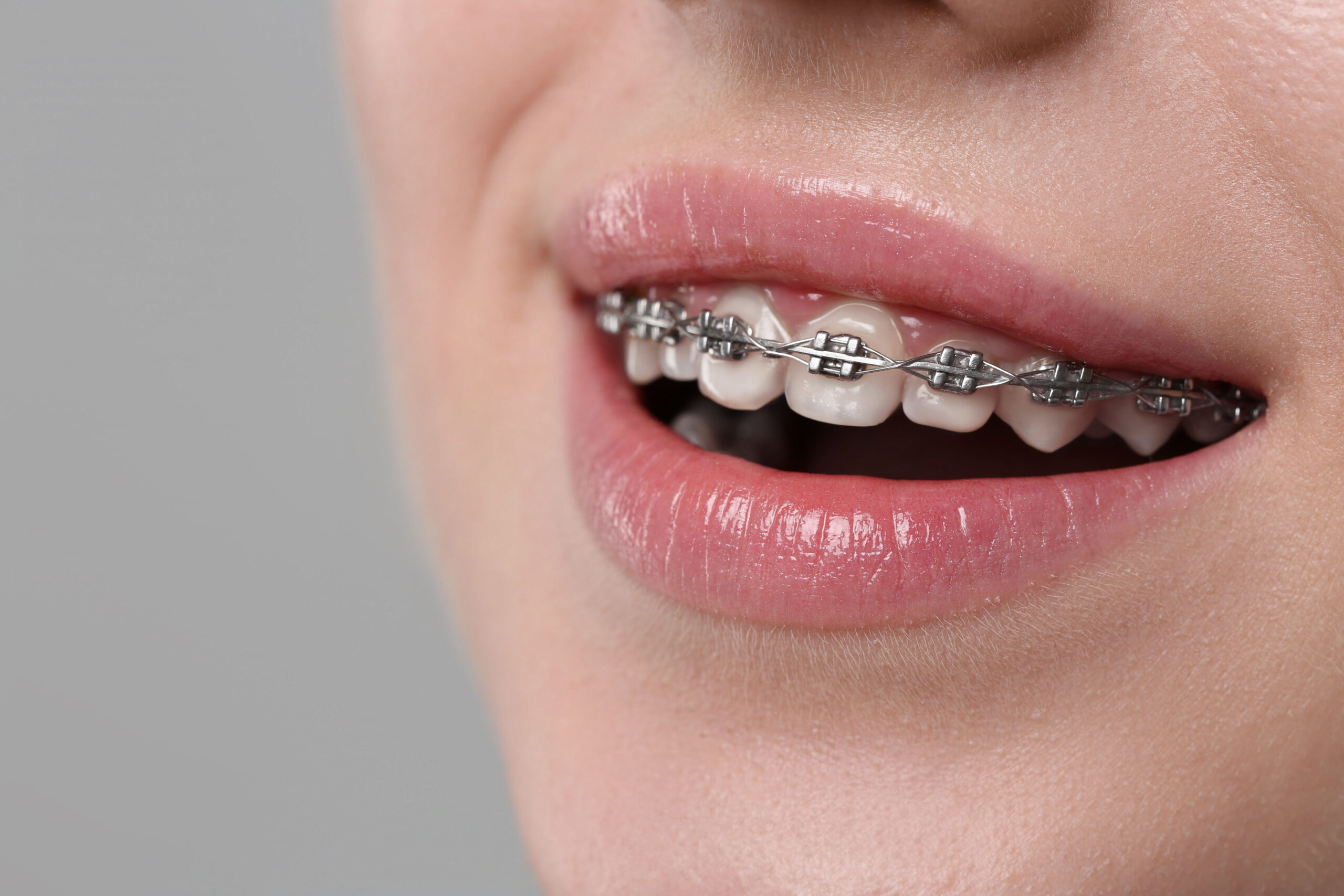
Braces are the traditional method of orthodontic treatment, consisting of metal or ceramic brackets attached to the teeth. These brackets are connected by wires and held in place with rubber bands. Braces work by applying continuous pressure on the teeth, gradually moving them into the desired position.
Pros of Braces
- Effective for Complex Cases: Braces are highly effective for correcting severe misalignments and complex dental issues.
- Predictable Results: Orthodontists have a long history of successfully using braces, making the treatment outcomes more predictable.
- Insurance Coverage: Many dental insurance plans cover a significant portion of the cost of traditional braces.
Cons of Braces
- Aesthetic Concerns: The most noticeable drawback of braces is their visibility. The metal or ceramic brackets can be a source of self-consciousness for many individuals.
- Diet Restrictions: Certain foods, such as sticky candies and hard nuts, must be avoided to prevent damage to the braces.
- Oral Hygiene Challenges: Cleaning teeth with braces requires extra effort, and maintaining oral hygiene can be challenging.
Understanding Invisalign
What is Invisalign?
Invisalign is a modern alternative to traditional braces, offering a virtually invisible way to straighten teeth. This treatment involves a series of clear, custom-made aligners that fit snugly over the teeth. These aligners are removable and are replaced every few weeks to gradually shift the teeth into the desired position.
Pros of Invisalign
- Aesthetically Pleasing: One of the main advantages of Invisalign is its discreet appearance. The clear aligners are nearly invisible, making it a popular choice for those concerned about the cosmetic impact of braces.
- Removability: Invisalign aligners can be removed for eating, brushing, and flossing, allowing for easier maintenance of oral hygiene and more dietary flexibility.
- Comfort: Invisalign aligners are generally more comfortable than braces, as they lack the sharp wires and brackets that can cause irritation.
Cons of Invisalign
- Not Suitable for Severe Cases: While Invisalign has made significant advancements, it may not be the best option for complex orthodontic issues that require more forceful correction.
- Compliance: Success with Invisalign relies heavily on patient compliance. For optimal results, aligners must be worn for 20-22 hours per day.
- Cost: Invisalign treatment is often more expensive than traditional braces, and not all insurance plans cover the full cost.
Making the Decision
Consideration Factors
- Severity of the Issue: The complexity of your orthodontic needs plays a crucial role in determining whether braces or Invisalign is more suitable. Severe misalignments may require the precision and strength of braces, while milder cases could be addressed with Invisalign.
- Aesthetic Preferences: Consider your personal comfort level with the visibility of orthodontic appliances. If the appearance of braces is a significant concern, Invisalign might be the preferred choice.
- Lifestyle and Habits: Evaluate your lifestyle and daily habits. If you have a busy schedule or participate in activities where braces might be a hindrance, Invisalign’s removable nature may be more convenient.
- Budget and Insurance Coverage: Take into account the financial aspects of both treatments. Check your insurance coverage and weigh the costs of each option.
Consultation with an Orthodontist
Ultimately, the best way to make an informed decision is to consult with an orthodontist. A professional assessment of your specific case will help determine the most suitable treatment plan. Orthodontists are experienced in evaluating the unique needs of each patient and can provide personalized recommendations based on their expertise.
Deciding between braces and Invisalign is a significant choice that requires careful consideration of various factors. Both options have their advantages and drawbacks, and the decision should align with your individual preferences, lifestyle, and orthodontic needs. Consulting with an orthodontist will empower you with the information needed to embark on a journey toward a straighter, healthier smile. Whether you choose the tried-and-true method of braces or the discreet appeal of Invisalign, the end goal remains the same – a confident and radiant smile that lasts a lifetime.