817-803-8090

Generic Clear Aligners vs. Invisalign®: Key Differences Patients Should Know

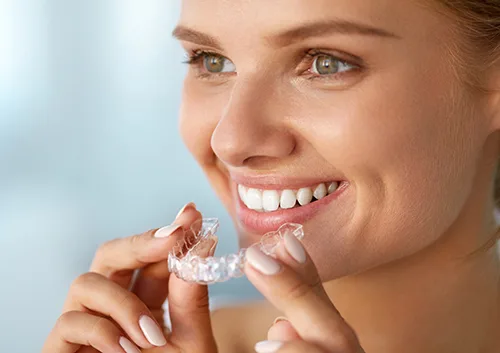
Many people enjoy tackling do-it-yourself projects. You might fix things around the house, repair your computer, or assemble furniture with nothing but a small toolkit and determination. But when it comes to your smile, orthodontic treatment isn’t something that should be handled like a weekend DIY project.
With the growing popularity of mail-order aligners and generic clear aligner brands, some patients consider straightening their teeth at home to save money. While these products may appear convenient, orthodontic treatment involves complex dental science that goes far beyond simply wearing a set of plastic trays.
If you’re exploring options for Invisalign treatment in Arlington, it’s important to understand how professional orthodontic care differs from generic aligner systems and why those differences matter for your long-term oral health.
Let’s take a closer look.
Why Orthodontic Treatment Requires Professional Care
Teeth do not simply move in a straight line from one position to another. Each shift involves the surrounding bone, gum tissue, and bite alignment. Orthodontists carefully evaluate these factors before creating a treatment plan.
Without proper diagnosis, attempting to straighten teeth can lead to problems such as:
-
Bite misalignment
-
Gum irritation
-
Tooth movement in the wrong direction
-
Long-term dental complications
That’s why orthodontic care should always begin with a professional evaluation and personalized planning.
Invisalign® Treatment: Advanced Technology and Personalized Care
Invisalign treatment is widely used by orthodontists and dentists who specialize in custom smile correction. The process begins with advanced digital imaging technology that captures a detailed 3D model of your teeth.
Using the iTero Element® scanner, orthodontists create a highly accurate digital map of your smile. This technology allows the doctor to plan every stage of tooth movement before treatment even begins. In many cases, patients can also preview a digital simulation of their future smile.
Customized Aligners Designed for Your Teeth
Once the treatment plan is finalized, aligners are custom-made using 3D printing technology. Each tray is designed to move teeth gradually and precisely according to the plan created by the orthodontist.
These aligners are made from SmartTrack® material, which is engineered specifically for orthodontic treatment. The material is designed to apply controlled pressure while remaining comfortable during everyday wear.
Additional design features include:
-
Aligners trimmed to fit your unique gumline
-
Smooth edges to reduce irritation
-
Precision fit based on digital scans
When your aligners arrive at the orthodontic office, your doctor ensures they fit properly and provides detailed instructions for use.
Professional Monitoring Throughout Treatment
Orthodontic treatment does not end once aligners are delivered. Regular monitoring plays an important role in achieving safe and effective results.
Patients typically visit their orthodontist every six to eight weeks so the doctor can:
-
Evaluate how teeth are moving
-
Adjust treatment if necessary
-
Answer patient questions
-
Ensure aligners are fitting correctly
For teenagers, Invisalign aligners even offer blue compliance indicators. These small markers gradually fade with wear, helping parents and orthodontists confirm that aligners are being worn the recommended 20–22 hours per day.
This level of supervision helps ensure that treatment stays on track.
How Generic Clear Aligners Work
Generic aligners often follow a very different process.
In many cases, patients are asked to create their own dental molds at home using a putty kit. While this may sound simple, making accurate impressions of your teeth without professional guidance can be difficult.
Patients may also need to take photos or “selfies” of their teeth and submit them online.
Based on these impressions and photos, a remote dental professional working for the company reviews the information and recommends a set of aligners. The trays are then mailed directly to the patient.
While this approach may seem convenient, it lacks several key elements of professional orthodontic care.
Limitations of Generic Aligners
Generic aligner systems often rely on basic plastic trays with standardized gumlines. Because they are not designed using detailed digital scans of the patient’s mouth, the fit may not be as precise.
There are also several potential drawbacks.
Limited Clinical Evaluation
Remote aligner providers typically cannot examine your teeth, gums, jaw joints, or bone structure in person. This means they may miss underlying dental issues such as gum disease, cavities, or bite irregularities.
Lack of In-Person Supervision
Once aligners are delivered, there may be little or no direct supervision. If trays do not fit properly or teeth move incorrectly, patients may not realize there is a problem until complications develop.
Restricted Treatment Capabilities
Generic aligners may work for very minor cosmetic adjustments. However, they are usually not designed to correct more complex orthodontic concerns, such as:
-
Bite misalignment
-
Severe crowding
-
Significant spacing
-
Jaw irregularities
Attempting to treat these conditions without proper supervision could lead to more serious dental problems.
Why Orthodontic Expertise Matters
Orthodontists receive years of specialized training beyond dental school to understand how teeth move safely within the jawbone. This expertise allows them to create treatment plans that protect both the appearance and health of your smile.
Professional orthodontic care focuses on:
-
Achieving balanced bite alignment
-
Maintain healthy gum tissue
-
Protecting tooth roots and bone structure
-
Delivering long-lasting results
When treatment is carefully monitored, adjustments can be made if teeth are not moving as expected.
Clear Aligners and Everyday Life in Arlington
Clear aligners have become especially popular among adults and teens in Arlington and nearby communities like Mansfield, Grand Prairie, and Fort Worth. Many patients appreciate the flexibility that aligners offer compared to traditional braces.
Clear aligners can be removed when eating, brushing, or attending special events. This makes them a convenient option for people with busy schedules, whether you’re commuting to Dallas for work or enjoying a weekend at AT&T Stadium or River Legacy Park.
However, the convenience of aligners works best when treatment is supervised by an experienced orthodontic professional.
Quick Comparison: Generic Aligners vs Invisalign®
Here’s a simple overview of how these options differ:
Invisalign Treatment
-
Digital 3D scanning and planning
-
Customized aligners for each patient
-
Advanced SmartTrack material
-
Regular orthodontic monitoring
-
Designed to treat a wide range of cases
Generic Aligners
-
At-home impressions and photos
-
Limited customization
-
Basic plastic materials
-
Minimal in-person supervision
-
Often restricted to mild corrections
Trust Your Smile to an Experienced Orthodontist
DIY projects can be fun and rewarding, but your mouth deserves expert care. Teeth, bones, and bite alignment all work together, and orthodontic treatment should always be guided by a trained professional.
If you’re considering clear aligners and want a solution designed specifically for your smile, the best first step is to schedule a consultation with an experienced orthodontic team.
With the right care, guidance, and technology, achieving a healthy, confident smile can be a smooth and rewarding journey.
Frequently Asked Questions
Are generic clear aligners safe?
Generic aligners may work for minor cosmetic adjustments, but without professional supervision they can lead to complications if teeth do not move correctly.
How long does aligner treatment usually take?
Treatment time varies depending on the complexity of the case. Some patients may complete treatment within months, while others require longer orthodontic care.
Are clear aligners comfortable?
Most patients find aligners comfortable because they are smooth and removable. Custom-designed aligners tend to provide a more precise fit.
How many hours a day should aligners be worn?
Aligners are typically worn about 20 to 22 hours per day for the best results.
Is professional orthodontic care really necessary?
Yes. Orthodontists evaluate overall oral health, create detailed treatment plans, and monitor progress to ensure teeth move safely and effectively.
Related Articles
By Hildebrand Orthodontics

By Hildebrand Orthodontics