817-803-8090

The Evolution Of Orthodontics: Modern Types Of Braces


Orthodontics has come a long way since the days of bulky metal braces and headgear. Today, there are various types of braces that offer more comfort, convenience, and aesthetics while still achieving exceptional results in straightening teeth and creating beautiful smiles. Let’s explore the evolution of orthodontics and the modern types of braces available today.
1. Traditional Metal Braces:
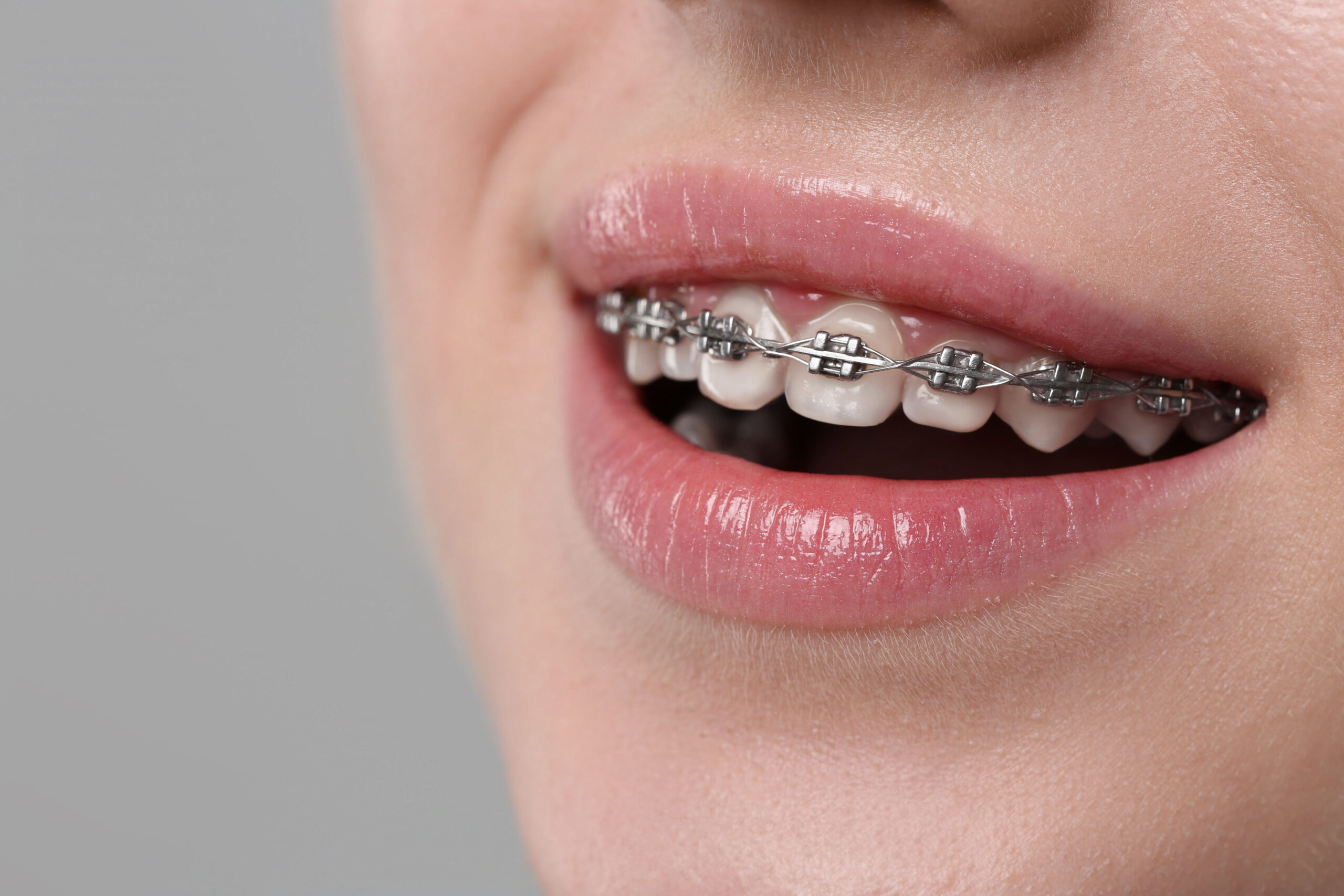
Traditional metal braces have been a staple of orthodontics for decades. They consist of metal brackets attached to the teeth and connected by wires. While they are highly effective in treating various orthodontic issues, modern advancements have made them smaller, less noticeable, and more comfortable than before.
2. Ceramic Braces:
Ceramic braces, also known as clear braces, are similar in design to traditional braces but use clear or tooth-colored brackets and wires. This makes them less noticeable and a popular choice for individuals who want a more discreet orthodontic treatment option.
3. Lingual Braces:
Lingual braces are unique because they are placed on the back (lingual) surface of the teeth, making them virtually invisible from the front. They are custom-made for each patient and can effectively treat various orthodontic issues while remaining hidden from view.
4. Invisalign Clear Aligners:
Invisalign has revolutionized orthodontics with its clear aligner system. Instead of brackets and wires, Invisalign uses a series of custom-made, clear plastic aligners that gradually move the teeth into their desired positions. The aligners are removable, making eating, brushing, and flossing more comfortable. Invisalign is a popular choice among adults and teens seeking a discreet and flexible orthodontic solution.
5. Self-Ligating Braces:
Self-ligating braces use a unique design that eliminates the need for elastic bands or metal ties to hold the wires in place. This reduces friction and allows for more comfortable and efficient tooth movement. Self-ligating braces are available in both metal and ceramic options.
6. Damon Braces:
Damon braces are a type of self-ligating braces that use a slide mechanism rather than elastic bands to adjust the wires. They offer a more comfortable experience with fewer appointments and less discomfort compared to traditional braces.
7. Clear Correct Aligners:
ClearCorrect is a clear aligner system similar to Invisalign. It offers a discreet and convenient way to straighten teeth and correct bite issues. ClearCorrect aligners are custom-made for each patient and are removable for easy maintenance.
8. MTM Clear Aligners:
Minor Tooth Movement (MTM) clear aligners are designed for patients with minor orthodontic concerns. They focus on specific tooth movements and offer a quicker and more cost-effective solution compared to comprehensive orthodontic treatment.
9. Retainers and Post-Treatment Appliances:
After orthodontic treatment, retainers and other post-treatment appliances help maintain the new tooth positions. These appliances are usually removable and play a crucial role in ensuring the longevity of the results achieved during orthodontic treatment.
The Bottom Line
The field of orthodontics continues to evolve, offering patients a wide range of options to achieve their desired smiles. Whether you prefer traditional braces, clear aligners, or lingual braces, there’s a modern orthodontic solution that can meet your needs while providing you with a more comfortable and aesthetically pleasing treatment experience. Consult with an orthodontist to determine the best option for your unique orthodontic needs and preferences.