817-803-8090

Retainer Care: Tips and Tricks for Long-Lasting Results

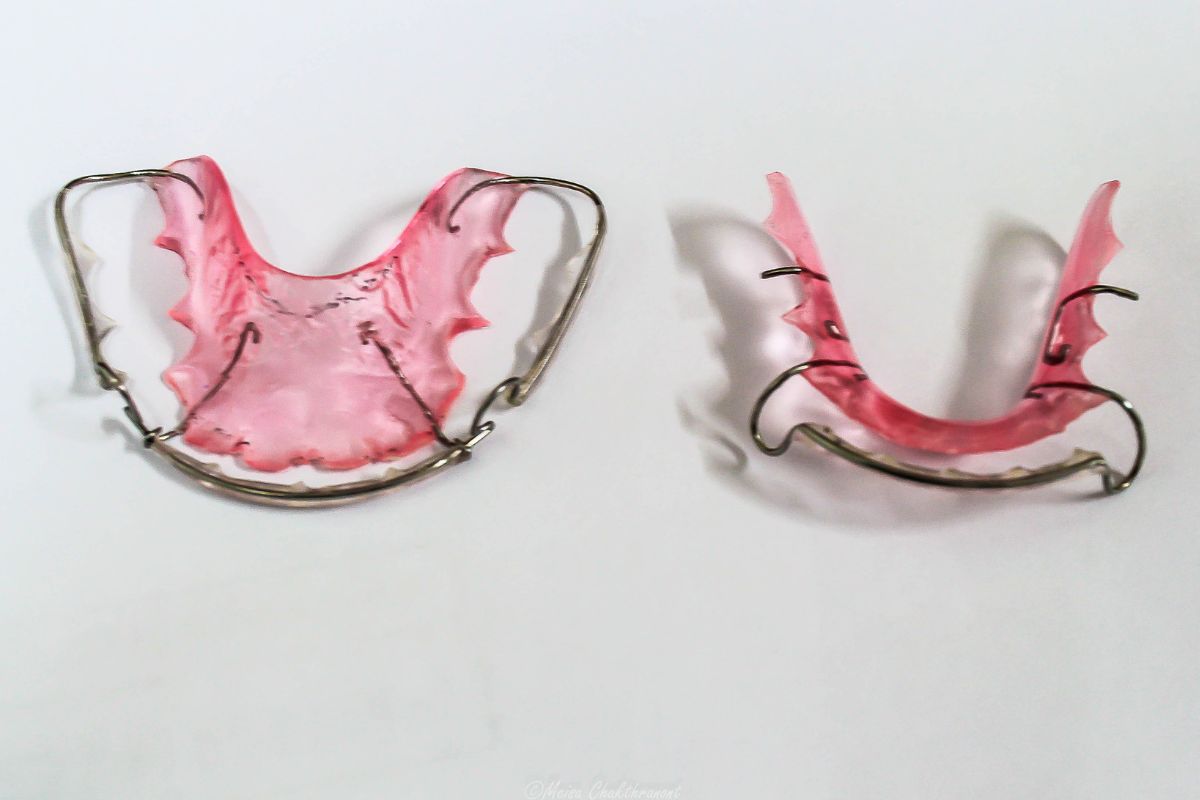
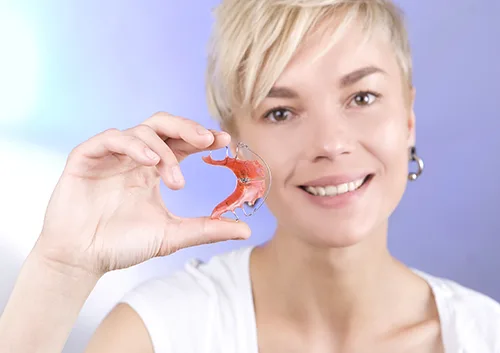
Retainers are essential for maintaining the results of orthodontic treatment. Proper care ensures that they remain effective and hygienic. In this blog, we will discuss the importance of retainer care and provide tips and tricks to help you maintain them.
Why Retainer Care is Important
Retainers help keep your teeth in their new positions after orthodontic treatment. Without proper care, retainers can become less effective, leading to the potential shifting of teeth. Additionally, poor maintenance can cause bacterial buildup, leading to oral health issues.
Statistics on Retainer Usage
- 80% of orthodontic patients are required to wear retainers post-treatment.
- Studies show that 70% of patients experience some relapse if they do not wear their retainers as instructed.
- Regular retainer care can reduce bacteria buildup by 90%, according to the American Dental Association (ADA).
Daily Cleaning Routine
Keeping your retainer clean is crucial for preventing plaque buildup and maintaining oral hygiene. Here are some daily cleaning tips:
Step-by-Step Cleaning Guide
- Rinse Immediately: Rinse your retainer with lukewarm water every time you remove it.
- Use a Soft Brush: Gently brush the retainer with a soft-bristle toothbrush and non-abrasive toothpaste.
- Soak in Cleaning Solution: Use a retainer cleaning solution or a mixture of water and mild dish soap. Avoid harsh chemicals that can damage the retainer.
Storage Tips
Proper storage is essential to prevent damage and contamination. Follow these tips to store your retainer safely:
Storage Do’s and Don’ts
- Do: Always store your retainer in its case when not in use.
- Do: Keep the case clean by washing it regularly with soap and water.
- Don’t: Avoid leaving your retainer out in the open where it can collect dust and bacteria.
- Don’t: Never wrap your retainer in a napkin, as it can easily be thrown away by mistake.
Handling and Maintenance
Proper handling and maintenance can extend the life of your retainer. Here are some best practices:
Dos and Don’ts of Handling Retainers
- Do: Handle your retainer with clean hands.
- Do: Avoid bending or twisting the retainer, which can cause damage.
- Don’t: Don’t expose your retainer to extreme heat, such as hot water or direct sunlight, as it can warp the material.
Retainer Care While Eating
You should always remove your retainer before eating to prevent damage and ensure proper hygiene. Here’s why:
Eating Guidelines
- Avoid Staining Foods: Foods and drinks like coffee, tea, and berries can stain your retainer.
- Prevent Damage: Hard or sticky foods can cause your retainer to crack or become misshapen.
Regular Check-Ups
Regular dental check-ups are crucial for monitoring the condition of your retainer and ensuring your teeth remain in the correct position.
Importance of Dental Visits
- Bi-Annual Visits: Schedule check-ups every six months to ensure your retainer is in good condition.
- Professional Cleaning: Your dentist can provide professional cleaning to remove any stubborn plaque or tartar buildup.
Troubleshooting Common Issues
Even with proper care, you might encounter some issues with your retainer. Here’s how to address common problems:
Common Issues and Solutions
- Bad Odor: If your retainer develops an odor, soak it in a mixture of water and baking soda.
- Cracks or Breaks: If your retainer cracks or breaks, contact your orthodontist immediately for a replacement.
- Fit Issues: If your retainer feels too tight or loose, schedule an appointment with your orthodontist for adjustments.
Final Tips and Tricks
To wrap up, here are some additional tips and tricks to help you maintain your retainer effectively:
Expert Tips
- Stay Consistent: Consistency is key. Wear your retainer as instructed by your orthodontist.
- Hydrate: Drink plenty of water to keep your mouth and retainer clean.
- Avoid DIY Repairs: If your retainer is damaged, don’t attempt to fix it yourself. Seek professional help.
By following these tips and tricks, you can ensure that your retainer remains in excellent condition and continues to do its job effectively. Proper retainer care not only preserves your smile but also promotes overall oral health. Remember, your retainer is a valuable tool in maintaining the results of your orthodontic treatment, so take good care of it!