817-803-8090

Orthodontic Treatments And Oral Health: The Connection You Should Know

Orthodontic treatments go beyond just creating a straight smile – they play a vital role in improving oral health. A well-aligned bite not only enhances your appearance but also contributes to better overall oral hygiene and function. In this article, we’ll explore the important connection between orthodontic treatments and oral health, highlighting how orthodontics can lead to improved dental well-being.
Significance of Orthodontics
Orthodontics is a specialized field of dentistry that focuses on the alignment of teeth and jaws. Beyond cosmetic benefits, orthodontic treatments address functional issues, promote proper bite alignment, and contribute to long-term oral health.
Oral Health Benefits Of Orthodontic Treatments
Improved Oral Hygiene:
Crooked or misaligned teeth can be challenging to clean properly, leading to plaque buildup, cavities, and gum disease. Orthodontic treatments create a more accessible surface for effective brushing and flossing.
Prevention of Gum Disease:
Properly aligned teeth lead to healthier gums. Misaligned teeth can cause pockets between teeth and gums, which become breeding grounds for bacteria and increase the risk of gum disease.
Enhanced Speech and Chewing:
Properly aligned teeth improve speech clarity and allow for efficient chewing, aiding in digestion and overall oral function.
Reduced Tooth Wear:
Misaligned teeth can cause uneven wear on tooth surfaces, leading to premature enamel erosion and the potential for dental issues. Orthodontic treatment helps distribute bite forces evenly.
Jaw Alignment:
Orthodontics can address bite issues, such as overbites and underbites, which can cause discomfort, difficulty in chewing, and jaw joint problems (TMJ disorders).
Prevention of Dental Trauma:
Protruding teeth are more susceptible to injury during accidents or contact sports. Orthodontic treatment can realign teeth, reducing the risk of trauma.
Types Of Orthodontic Treatments
Traditional Braces:
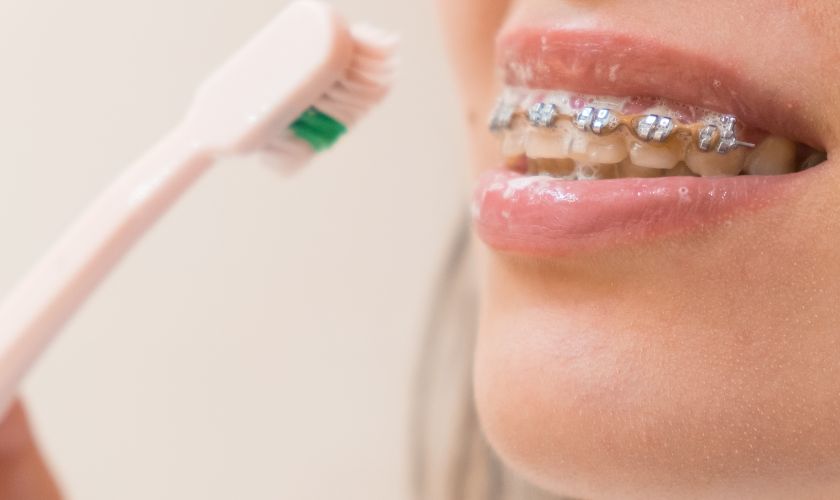
Metal braces consist of brackets and wires that gradually move teeth into alignment. They are effective for correcting various orthodontic issues.
Clear Aligners:
Clear aligner systems, like Invisalign, use a series of transparent aligners to shift teeth. They are virtually invisible and can be removed for eating and oral hygiene.
Lingual Braces:
These braces are placed on the backside of teeth, making them less visible. They are suitable for individuals who desire a discreet treatment option.
Functional Appliances:
These appliances are used to correct bite issues and guide jaw growth in growing children.
The Orthodontic Journey
Consultation:
The orthodontic journey begins with a consultation, during which the orthodontist assesses your oral health, discusses your goals, and recommends a suitable treatment plan.
Treatment Plan:
A personalized treatment plan is created based on your unique needs and desired outcomes.Treatment Phase: Whether using traditional braces or modern aligner systems, the treatment phase involves regular adjustments or changing aligners as teeth gradually move into alignment.
Retention:
After active treatment, a retainer is typically worn to maintain the new alignment of teeth and prevent them from shifting back.
The Bottom Line
Orthodontic treatments offer more than just a straight smile – they significantly impact your overall oral health and well-being. By aligning teeth and correcting bite issues, orthodontics contribute to improved oral hygiene, reduced risk of dental problems, and enhanced overall function. Whether you opt for traditional braces or advanced clear aligner systems, investing in orthodontic treatment can lead to a healthier and more confident smile for years to come. Consulting with an orthodontist is the first step toward reaping the oral health benefits of orthodontic treatments.