817-803-8090

Managing Speech Changes During Orthodontic Invisalign Treatment

Starting Invisalign is exciting. You’re finally taking steps toward a straighter smile without traditional brackets or wires. But if you’ve just begun treatment, you may have noticed something unexpected: your speech feels slightly different.
Maybe certain words sound sharper. Maybe there’s a mild lisp when you say “s” or “sh.” If that sounds familiar, don’t worry you’re not alone.
Speech changes during Invisalign treatment are common, temporary, and manageable. Patients who visit an experienced orthodontist in Arlington often ask about this during their consultation. The good news? Most adjustments happen quickly, and with a few simple strategies, your speech will feel natural again.
Let’s talk about why it happens—and what you can do about it.
Why Invisalign Can Affect Speech at First
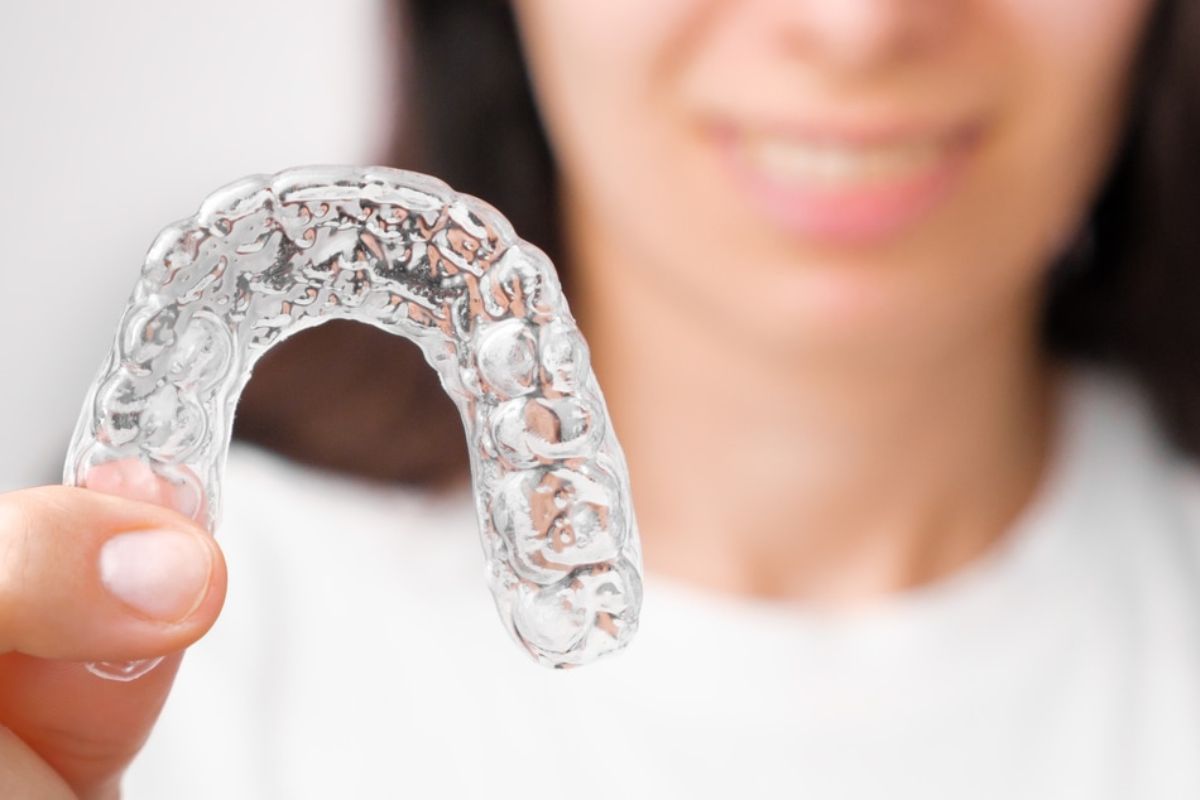
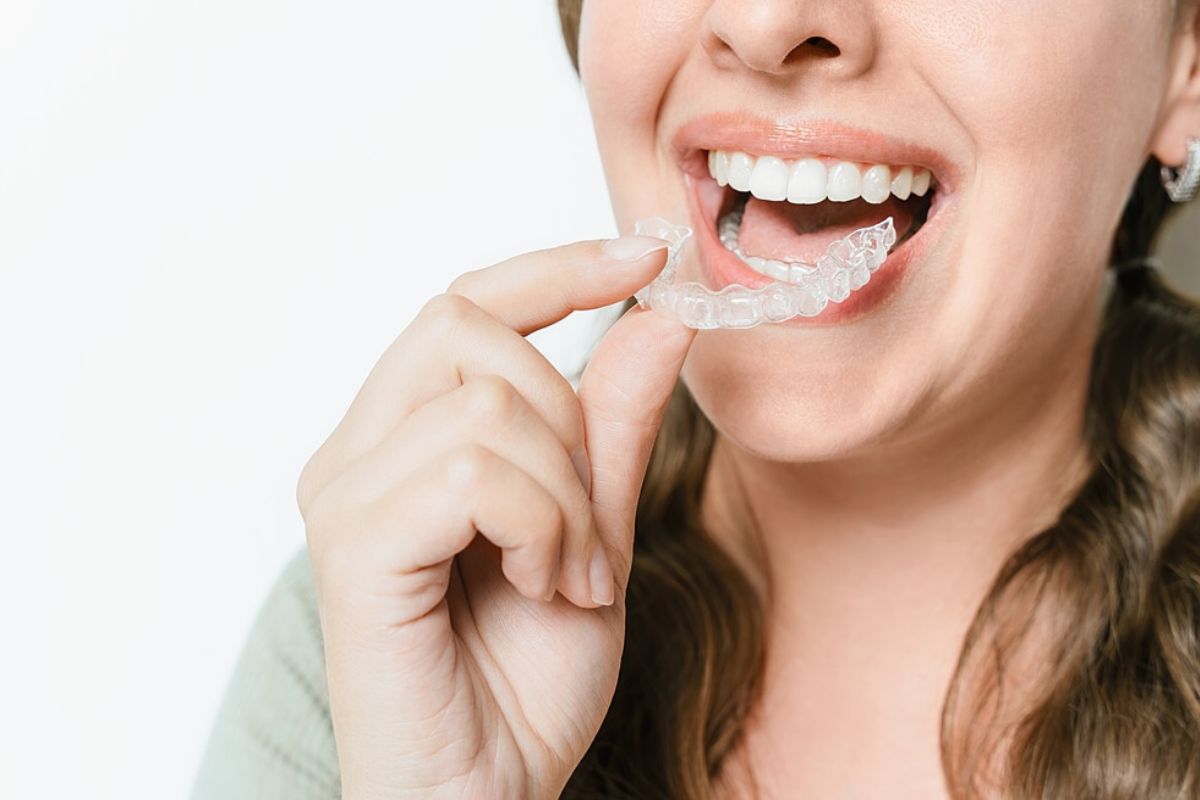
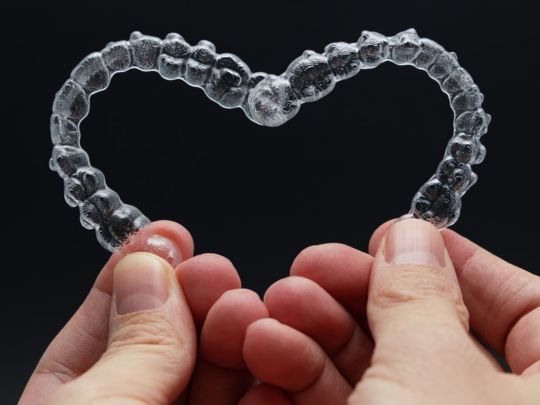
Clear aligners fit snugly over your teeth. While they’re thin and custom-made, they still introduce a new surface inside your mouth.
Your tongue plays a major role in speech. When aligners are placed over your teeth, your tongue needs time to adapt to:
- Slightly altered tooth surfaces.
- Added thickness on the front or back of the teeth.
- Small attachments are used for precise tooth movement.
This adjustment period is similar to breaking in a new pair of shoes. At first, it feels different—but soon, it becomes second nature.
Most speech changes resolve within a few days to a couple of weeks.
Which Sounds Are Most Affected?
Patients most commonly notice difficulty with:
- “S” sounds
- “Sh” sounds
- “Z” sounds
- “Ch” sounds
These sounds require precise tongue placement against the teeth. Because aligners slightly shift that positioning, a temporary lisp can occur.
Fortunately, your brain adapts quickly.
How Long Do Speech Changes Last?
For most adults and teens in Arlington, speech adjustments last:
- 2–3 days for mild changes
- Up to 2 weeks for more noticeable lisps
The more consistently you wear your aligners, the faster your teeth will adjust. Removing them frequently can slow the adaptation process.
If you’re speaking regularly at work—perhaps presenting at an office near I-20 or meeting clients in downtown Arlington—you’ll likely adapt even faster through daily conversation.
Practical Tips to Improve Speech Quickly
Here are simple strategies to help your speech return to normal faster:
1. Practice Reading Aloud
Spend 10–15 minutes reading a book, article, or script out loud each day. This trains your tongue to adjust naturally.
2. Repeat Challenging Words
Identify words that feel tricky and repeat them slowly. Focus on exaggerating clear pronunciation.
3. Stay Consistent with Wear Time
Wearing aligners 20–22 hours per day helps your mouth adapt more efficiently.
4. Speak Slowly at First
If you feel self-conscious, slow your pace temporarily. Clarity improves as your confidence returns.
5. Stay Hydrated
Dry mouth can worsen speech challenges. Arlington’s warm Texas climate makes hydration especially important.
These small steps make a big difference.
Confidence Matters More Than You Think
Often, patients notice speech changes more than others do. Friends, coworkers, and family members may not detect any difference at all.
If you feel unsure, ask someone you trust for honest feedback. In most cases, they’ll reassure you that your speech sounds perfectly normal.
Remember, Invisalign is discreet. The aligners are clear, and any minor speech adjustment is temporary.
When to Contact Your Orthodontic Provider
While mild speech changes are expected, you should reach out if:
- The lisp persists beyond a few weeks
- Aligners feel loose or improperly fitted
- Attachments feel uncomfortable
- You experience pain while speaking
An experienced orthodontic provider can evaluate your fit and make necessary adjustments.
Choosing a trusted orthodontist in Arlington ensures you receive personalized guidance throughout your Invisalign journey.
Invisalign and Professional Life in Arlington
Arlington is home to busy professionals, university students, and families balancing full schedules. Whether you’re attending events at AT&T Stadium, teaching at a local school, or managing a growing business, clear communication matters.
The good news is that Invisalign was designed with lifestyle flexibility in mind. Most patients report:
- Minimal long-term speech impact
- Improved confidence as teeth align
- Greater comfort compared to traditional braces
Within a short period, speaking with aligners feels completely natural.
The Bigger Picture: Long-Term Benefits
While speech adjustments may feel inconvenient at first, remember the larger goal:
- Straighter teeth
- Improved bite alignment
- Easier oral hygiene
- Reduced risk of uneven wear
- Greater confidence in your smile
Temporary changes are part of the process—but lasting results make it worthwhile.
Take the Next Step Toward a Confident Smile
If you’re considering Invisalign or have questions about how treatment may affect your speech, don’t hesitate to get expert guidance. Working with a trusted orthodontist in Arlington ensures you receive personalized care, proper aligner fit, and ongoing support throughout your journey. Schedule your consultation today to learn how Invisalign can straighten your smile comfortably and discreetly—while keeping your confidence strong every step of the way.
Frequently Asked Questions
Is it normal to have a lisp with Invisalign?
Yes. Mild lisps are common in the first days or weeks of treatment and typically resolve quickly.
Can I remove aligners before a presentation?
Aligners should be worn 20–22 hours daily. Short removals are fine for meals, but frequent removal may slow progress.
Will each new tray affect my speech again?
Some patients notice slight adjustments with new trays, but the changes are usually minor and brief.
Does Invisalign permanently change speech?
No. Speech returns to normal once treatment is complete and retainers are properly fitted.
How can I speed up the adjustment process?
Consistent wear, reading aloud, and staying hydrated are the most effective strategies.