817-803-8090

How to Strengthen Your Tooth Enamel

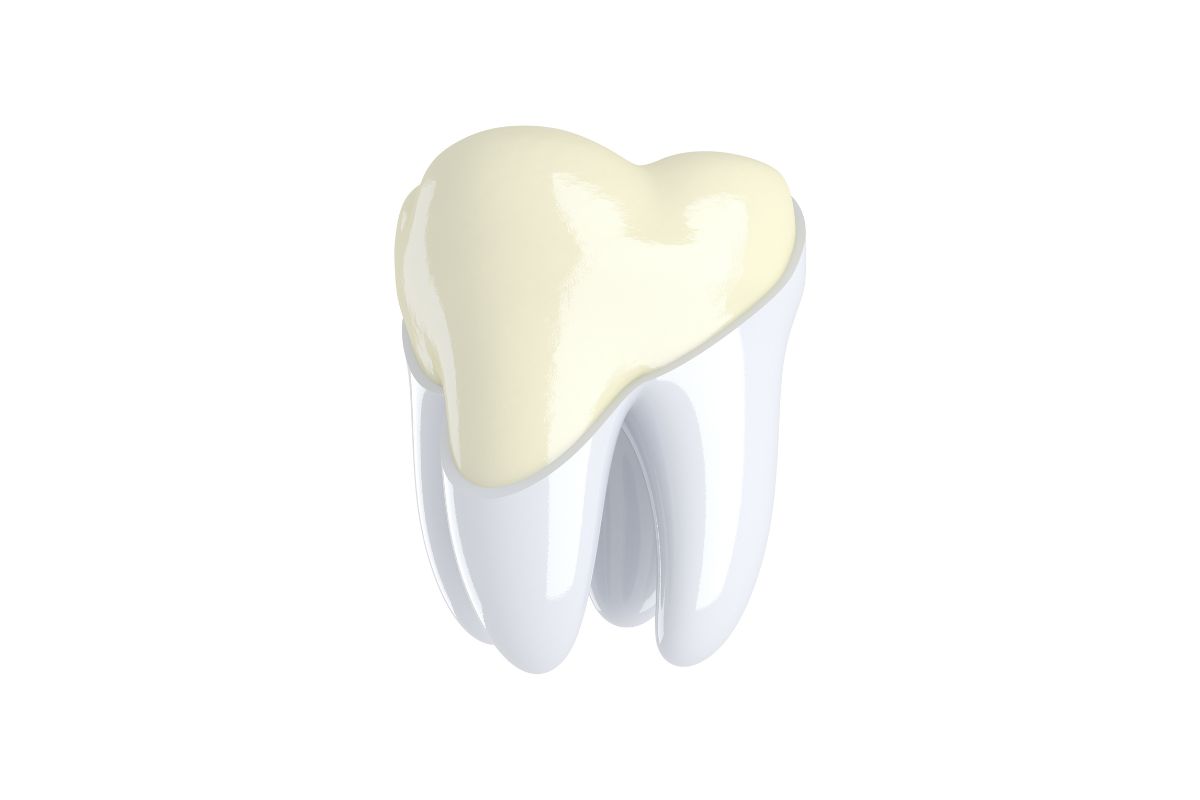
Tooth enamel is the hard, outer layer of your teeth that protects them from decay and damage. Over time, enamel can weaken due to factors like poor diet, acidic foods, and improper oral hygiene. Strengthening your enamel is crucial for maintaining healthy teeth and preventing cavities. In this blog, we’ll explore effective ways to strengthen your tooth enamel and keep your smile healthy.
What is Tooth Enamel?
Tooth enamel is the hardest substance in the human body, even stronger than bone. It covers the outer layer of each tooth and protects the inner, more sensitive parts from decay and damage. Despite its strength, enamel can wear down over time, making teeth more vulnerable to cavities, sensitivity, and discoloration.
Causes of Enamel Erosion
Acidic Foods and Drinks
Consuming acidic foods and beverages like citrus fruits, sodas, and wine can erode enamel. Acid wears away the minerals in enamel, weakening it over time.
Poor Oral Hygiene
Inadequate brushing and flossing can lead to plaque buildup. Plaque produces acids that attack enamel, causing it to erode.
Dry Mouth
Saliva helps neutralize acids in the mouth and wash away food particles. A lack of saliva, often caused by dehydration or certain medications, can increase the risk of enamel erosion.
Bruxism (Teeth Grinding)
Grinding or clenching your teeth, especially at night, can wear down enamel. This condition, known as bruxism, can be caused by stress, sleep disorders, or an abnormal bite.
Acid Reflux
Gastroesophageal reflux disease (GERD) or frequent acid reflux can bring stomach acids into the mouth, which can erode enamel.
Signs of Weakened Enamel
- Increased tooth sensitivity to hot, cold, or sweet foods
- Discoloration or yellowing of the teeth
- Rough or uneven edges on teeth
- Cracks or chips in teeth
How to Strengthen Tooth Enamel
Maintain a Balanced Diet
A diet rich in essential vitamins and minerals can help strengthen enamel. Here are some enamel-friendly foods:
- Dairy Products: Milk, cheese, and yogurt are high in calcium and phosphates, which help remineralize enamel.
- Leafy Greens: Spinach, kale, and other leafy greens are rich in calcium and folic acid.
- Nuts and Seeds: Almonds, sesame seeds, and other nuts are high in calcium and can help strengthen enamel.
- Fruits and Vegetables: Crunchy fruits and vegetables like apples, carrots, and celery stimulate saliva production and help clean teeth.
Use Fluoride
Fluoride is a mineral that helps strengthen enamel and prevent decay. Incorporate fluoride into your oral care routine with the following:
- Toothpaste: Use fluoride toothpaste to help remineralize enamel.
- Mouthwash: Rinse with a fluoride mouthwash to strengthen teeth.
- Water: Drink tap water if your local water supply is fluoridated.
Practice Good Oral Hygiene
Maintaining good oral hygiene is essential for protecting enamel. Follow these tips:
- Brush Twice Daily: Use a soft-bristled toothbrush and fluoride toothpaste to brush your teeth at least twice a day.
- Floss Daily: Flossing removes plaque and food particles from between teeth, preventing enamel erosion.
- Rinse After Eating: Rinse your mouth with water after consuming acidic foods or drinks to neutralize acids.
Limit Acidic Foods and Drinks
To protect your enamel, reduce your intake of acidic foods and beverages. Here’s how:
- Use a Straw: When drinking acidic beverages like soda or juice, use a straw to minimize contact with your teeth.
- Drink Water: Drink water alongside acidic foods to help rinse away acids.
- Wait to Brush: After consuming acidic foods or drinks, wait at least 30 minutes before brushing your teeth to avoid further erosion.
Treat Dry Mouth
If you suffer from dry mouth, take steps to increase saliva production and protect your enamel:
- Stay Hydrated: Drink plenty of water throughout the day.
- Chew Sugar-Free Gum: Chewing gum stimulates saliva production.
- Use a Humidifier: Use a humidifier at night to keep your mouth moist.
- Avoid Alcohol and Tobacco: Both can contribute to dry mouth.
Protect Against Bruxism
If you grind or clench your teeth, take steps to protect your enamel:
- Wear a Mouthguard: A custom-made mouthguard can protect your teeth from grinding.
- Reduce Stress: Practice stress-reducing techniques like meditation, exercise, or deep breathing.
- Seek Treatment: Consult with your dentist about treatments for bruxism.
Regular Dental Checkups
Regular dental visits are crucial for maintaining enamel health. Your dentist can identify early signs of enamel erosion and recommend treatments to strengthen your teeth. Professional cleanings remove plaque and tartar that can contribute to enamel wear.
Conclusion
Strengthening your tooth enamel is essential for maintaining a healthy smile and preventing dental issues. By following these tips and maintaining good oral hygiene, you can protect your enamel and keep your teeth strong. If you have concerns about your enamel or overall oral health, schedule a visit with your dentist. They can provide personalized recommendations and treatments to help you achieve optimal dental health.