
817-803-8090

How Same-Day Braces Work in Arlington: Getting Fitted in One Visit

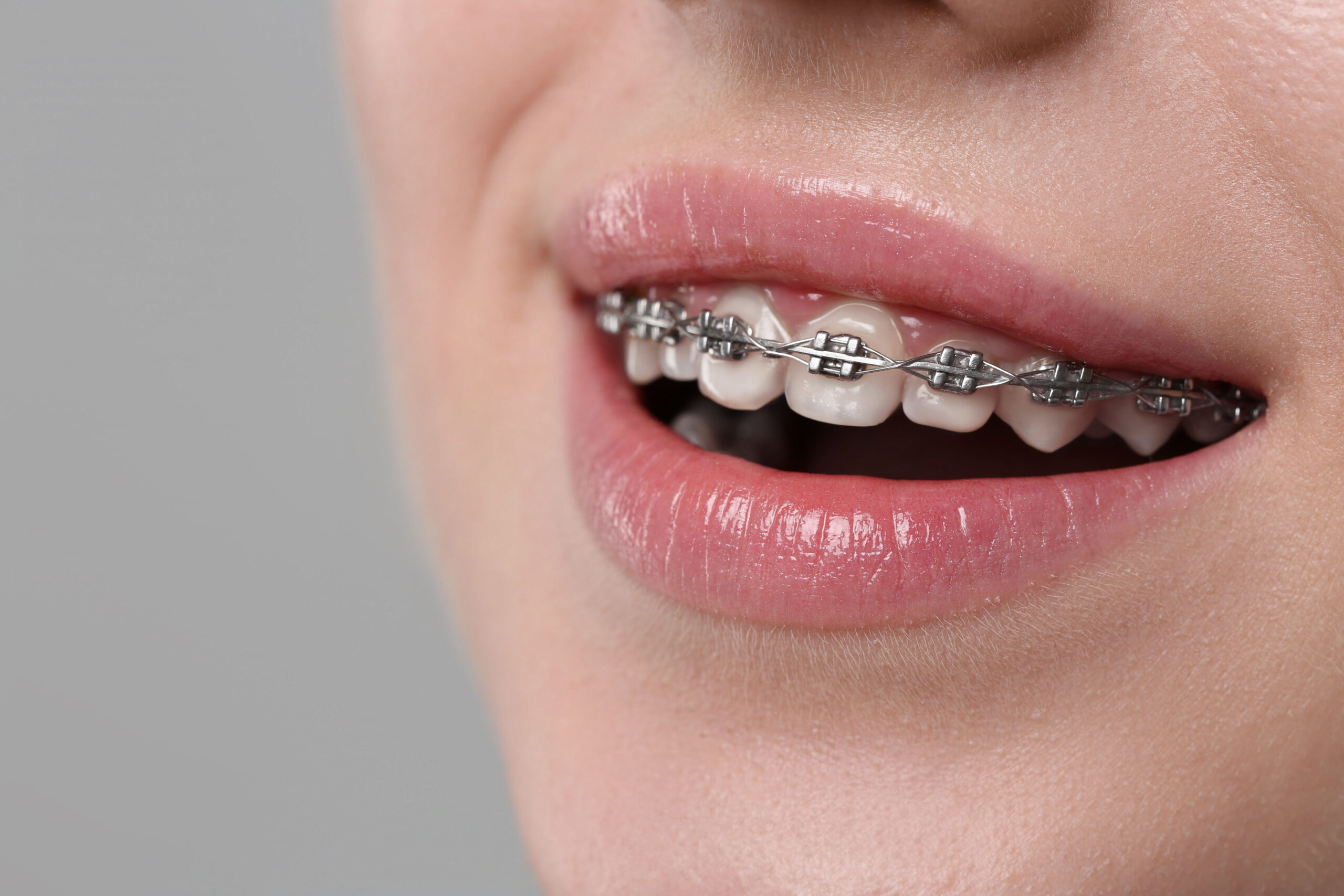
Orthodontic treatment no longer has to begin with weeks of waiting between appointments. Advances in digital imaging, treatment planning, and bracket technology now allow many patients to begin braces during their first visit. For families and professionals with demanding schedules, that efficiency makes starting treatment far more manageable than it was years ago.
For residents of this Texas city, same-day braces in Arlington simplify that process. Eligible patients can complete their consultation, digital imaging, treatment planning, and brace placement during one appointment instead of returning for multiple visits later. For busy families balancing school schedules, sports practices, work obligations, and daily traffic, that convenience can make treatment far easier to start.
According to the Centers for Disease Control and Prevention (CDC), oral health conditions can affect eating, speaking, school performance, and self-confidence, which is one reason early evaluation is often encouraged when alignment concerns are present.
At Hildebrand Orthodontics, patients receive personalized evaluations designed to simplify treatment while maintaining accuracy and long-term stability. Dr. Jed Hildebrand focuses on helping patients begin treatment efficiently using advanced technology and individualized planning. If you have been delaying braces because the process felt complicated or time-consuming, scheduling a consultation could help you begin treatment sooner than expected.
What Same-Day Braces Actually Mean
These orthodontic aligners allow qualified patients to complete nearly every early treatment step during one appointment.
Instead of spreading the process across several visits, the team prepares imaging, evaluations, treatment planning, and bracket placement in a more efficient workflow. That does not mean treatment is rushed. This means unnecessary delays are removed whenever clinically appropriate.
For many local families, this approach becomes especially valuable during football season, school testing periods, holiday scheduling, and packed extracurricular calendars when multiple visits become difficult to coordinate.
An appointment may include:
- A full examination
- Digital X-rays and 3D scans
- Bite and jaw evaluation
- Discuss treatment goals
- Personalized treatment planning
- Aligner placement if appropriate
Modern solutions allow these steps to happen more efficiently than many patients realize.
Steps Involved in This Teeth Straightening Treatment
When you visit our dental practice for same-day braces in Arlington, here is what you can expect:
Step One: Initial Evaluation
The orthodontist first examines your teeth, bite alignment, jaw positioning, spacing concerns, and overall oral health.
Not every patient qualifies for same-day placement immediately. Some misalignment cases require more detailed planning or additional diagnostic coordination before treatment begins. However, many patients with common alignment concerns can safely begin treatment during the same visit.
This evaluation helps determine:
- Whether braces are the right treatment option
- Estimated treatment length
- Bite correction needs
- Bracket selection
- Long-term treatment goals
The priority is always treatment accuracy and long-term stability rather than speed alone.
Step Two: Digital Imaging and Diagnostic Records
Traditional impressions once involved bulky trays filled with impression material that many patients found uncomfortable.
Modern dental offices increasingly use digital imaging systems and advanced scans instead. These tools improve both precision and patient comfort while allowing orthodontists to evaluate tooth positioning more efficiently.
Digital records help improve:
- Treatment accuracy
- Patient comfort
- Planning efficiency
- Communication with patients
- Overall workflow organization
For nervous patients, digital scanning often makes the appointment far less stressful than older impression techniques.
Step Three: Personalized Treatment Planning
After imaging is completed, a trusted orthodontist develops a treatment plan tailored to the patient’s bite, alignment concerns, and smile goals.
This stage determines:
- Bracket placement
- Tooth movement sequencing
- Bite correction strategy
- Estimated treatment timeline
- Follow-up scheduling
As treatment planning happens immediately, patients receive answers during the same visit instead of waiting days or weeks for updates.
Orthodontic planning involves far more than simply straightening teeth. Bite balance, jaw positioning, facial symmetry, and long-term stability all influence how braces are designed for each patient.
This level of individualized planning helps improve both functional and cosmetic results over time.
Step Four: Braces Placement
Once the treatment plan is finalized, braces can often be placed during the same appointment.
The bonding process typically includes:
- Cleaning the teeth
- Preparing the enamel surface
- Carefully positioning brackets
- Attaching the archwire
- Review aftercare instructions
Most patients are surprised by how manageable the process feels. Placing the aligner generally creates pressure rather than sharp pain.
Patients can usually return to school, work, or regular activities shortly afterward, although mild soreness during the first several days remains common.
What to Expect During the First Week
The first week feels unfamiliar for nearly everyone.
Mild pressure, cheek irritation, and tooth soreness are common while the mouth adjusts to the brackets and wires. These symptoms usually improve gradually within several days.
Patients often feel more comfortable eating softer foods initially, including:
- Yogurt
- Scrambled eggs
- Soup
- Smoothies
- Pasta
- Mashed potatoes
Cold foods can also help soothe temporary soreness, especially during warmer local weather when many residents already prefer chilled drinks and frozen treats after long afternoons outdoors.
Patients should also avoid:
- Sticky candy
- Hard chips
- Ice chewing
- Popcorn kernels
- Extremely crunchy foods
Following aftercare instructions carefully helps reduce broken brackets and unnecessary emergency visits.
Who Is a Good Candidate for This Treatment?
Many teenagers and adults qualify for immediate orthodontic treatment, although eligibility depends on the complexity of the case.
Patients commonly considered good candidates include those with:
- Mild to moderate crowding
- Spacing issues
- Bite alignment concerns
- Healthy gums and teeth
Patients with severe bite discrepancies, impacted teeth, or complex jaw concerns may require additional diagnostic planning before braces can safely begin.
Professional consultation remains essential because tooth movement varies based on bite structure, bone support, and overall complexity.
Why are Aligners Ideal for Busy Families
Convenience affects healthcare decisions more than many people realize.
Parents often spend weeks coordinating schedules around:
- School pickup times
- Sports practices
- Work schedules
- Weekend activities
- Family responsibilities
Reducing multiple appointments into one visit saves time, transportation coordination, and missed work hours.
That efficiency becomes especially valuable in growing communities where busy schedules and traffic already consume a large portion of the day.
For many families, simplifying care makes starting treatment feel significantly more manageable.
Why Starting Orthodontic Treatment Earlier Often Helps
Dental misalignment concerns rarely improve without professional treatment.
Crowding, spacing problems, and bite misalignment often become more difficult to correct over time. Early evaluation may help reduce treatment complexity later while supporting healthier long-term bite function.
Early care may help:
- Prevent worsening crowding
- Improve bite alignment
- Support oral hygiene access
- Reduce future treatment difficulty
- Improve smile confidence
Adults are also increasingly pursuing orthodontic care because modern aligners are more comfortable, efficient, and discreet than older systems.
Whether someone is preparing for professional opportunities, school events, family photos, or personal confidence goals, our same-day braces in Arlington can create long-term functional and cosmetic benefits.
A Simpler Way to Begin Orthodontic Treatment
Starting treatment no longer has to feel drawn out or overwhelming. Modern procedures allow many patients to complete consultations, imaging, treatment planning, and brace placement during a single appointment while still receiving personalized care and accurate treatment planning. For busy families balancing packed schedules, these braces can make finally starting treatment feel far more achievable.
If you have been postponing braces because the process felt time-consuming or difficult to manage, now may be the right time to explore your options. The team at Hildebrand Orthodontics provides personalized care focused on efficiency, comfort, and long-term results. Schedule your consultation today to learn whether starting your braces in one visit is possible for your smile.
FAQs
Can adults qualify for same-day braces?
Yes. Many adults qualify for same-day braces when their orthodontic concerns do not require advanced preparation. A consultation helps determine whether immediate brace placement is clinically appropriate.
Do same-day braces hurt more than traditional braces?
No. These braces typically feel similar to traditional brace placement. Most patients experience temporary soreness or pressure for several days while their teeth begin adjusting to movement.
How long does a same-day braces appointment usually take?
Most appointments last several hours because consultation, imaging, planning, and braces placement happen together. Treatment complexity and diagnostic needs influence total appointment time.
What foods should I avoid after same-day braces?
Patients should avoid sticky candy, hard chips, popcorn kernels, and crunchy foods initially. Softer meals help reduce discomfort while protecting brackets and wires during early adjustment.
Are same-day braces more expensive?
Treatment costs depend more on orthodontic complexity than appointment timing alone. Many offices structure pricing similarly, whether braces begin immediately or during a later appointment.
Will follow-up visits still be necessary?
Yes. Patients still require adjustment visits throughout treatment. Same-day braces streamline the beginning of treatment, but regular monitoring remains important for proper tooth movement and bite correction.
Are digital scans better than traditional impressions?
Digital scans improve comfort and treatment precision for many patients. They also allow orthodontists to evaluate tooth positioning more accurately while avoiding traditional impression materials.