2200 W Interstate 20 Ste 100, Arlington, TX 76017

How an Orthodontist in Arlington, TX Designs Treatment for Impacted Teeth

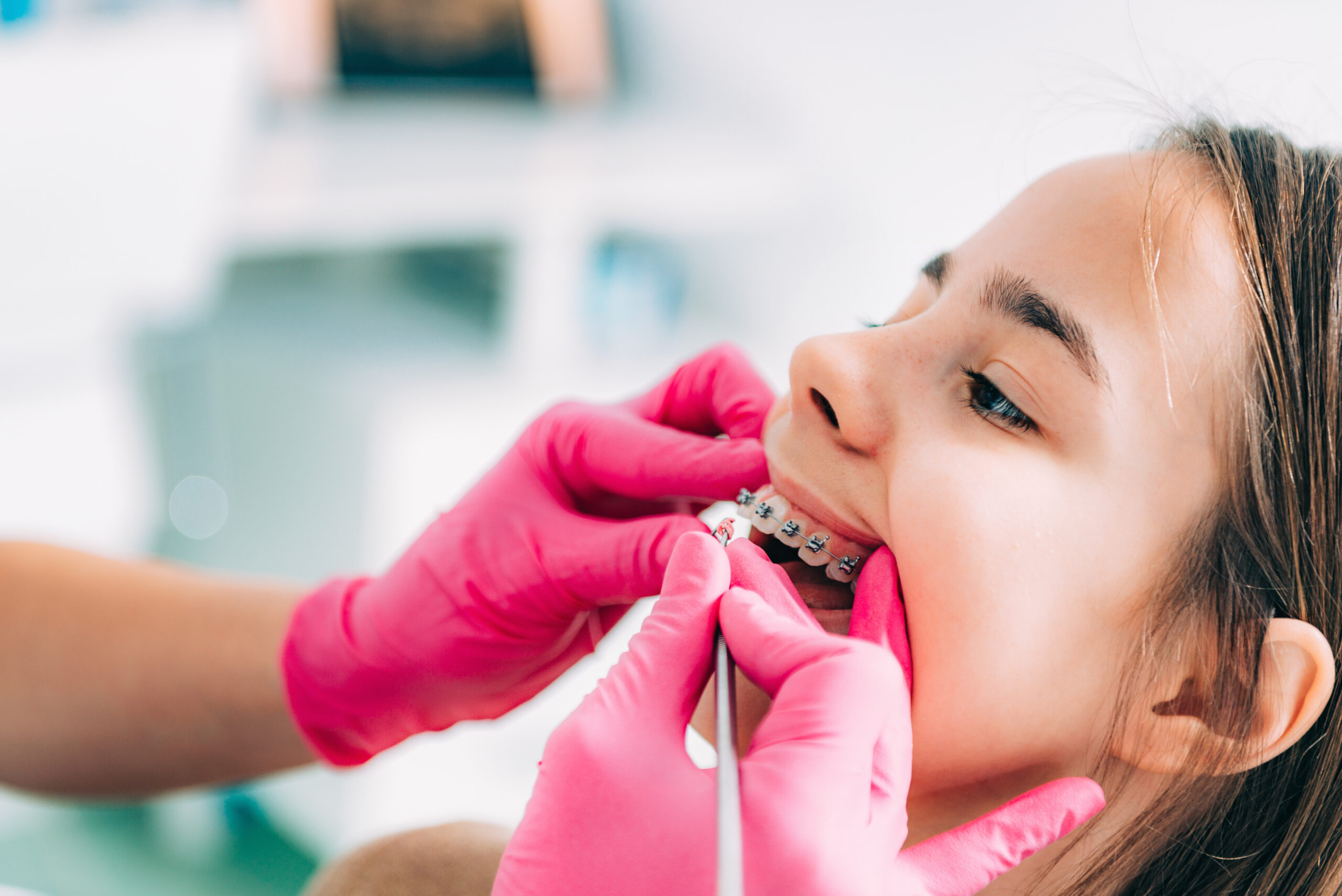
Impacted teeth occur when a tooth is unable to fully emerge from the gums due to a lack of space, misalignment, or blockage by another tooth. This condition is most common in canines and wisdom teeth, but it can affect any tooth. When left untreated, impacted teeth may lead to discomfort, overcrowding, bite issues, or even damage to neighboring teeth. That’s why early diagnosis and timely orthodontic care are essential for protecting both oral health and facial development.
Why Early Detection Is Important
Identifying impacted teeth early, especially during pre-teen or teenage years, allows orthodontists to guide the developing teeth into healthier positions. With regular dental checkups and X-rays, impacted teeth can be detected before they cause symptoms. Early detection also improves treatment outcomes, helping minimize discomfort and allowing the teeth to be guided into proper alignment before major complications arise.
How Orthodontists Determine the Best Treatment Plan
Treating impacted teeth requires careful evaluation, advanced imaging, and a customized plan. Orthodontists assess the tooth’s position, angle, depth, and surrounding structures before deciding on the best approach.
During this diagnostic stage, patients often rely on an orthodontist in Arlington, TX, who is experienced in evaluating complex tooth alignment to determine whether the tooth can be guided into place or needs a more advanced intervention.
Step-by-Step Approach to Treating Impacted Teeth
Treatment plans vary depending on the severity and location of the impacted tooth. However, orthodontists typically follow a strategic sequence to ensure safe and effective results.
1. Comprehensive Imaging and Evaluation
Orthodontists use digital X-rays, CBCT scans, and photographs to analyze the tooth’s exact position. These tools provide a detailed, three-dimensional view that’s crucial for planning movement.
2. Creating Space in the Dental Arch
If overcrowding is the cause of impaction, the orthodontist may begin by creating space using braces, palatal expanders, or aligners. Creating room is essential for allowing the impacted tooth to shift into alignment.
3. Surgical Exposure (If Needed)
In some cases, an oral surgeon exposes the impacted tooth so it can be guided into place. This minor procedure allows the orthodontist to attach a small bracket or chain to the tooth for controlled movement.
4. Guided Eruption Using Braces or Aligners
Once the tooth is exposed and space has been made, orthodontic appliances gently guide the tooth into its proper position. This process can take several months, depending on how deep the tooth is and how it responds to movement.
5. Monitoring and Adjustments
Regular visits allow the orthodontist to make precise adjustments, ensuring the tooth moves safely and efficiently without affecting neighboring teeth or root structures.
Benefits of Treating Impacted Teeth Early
Addressing impaction early prevents long-term dental issues while supporting healthy bite development. Treating impacted teeth can:
- Reduce the risk of cysts and infections
- Prevent damage to adjacent teeth
- Improve overall alignment and aesthetics
- Create a healthier bite and jaw function
- Support proper facial symmetry during growth
Early treatment also reduces the likelihood of more complex procedures later in life.
Long-Term Outcomes After Treatment
Once the impacted tooth has fully erupted into its ideal position, patients can expect improved function and comfort. Aligning all teeth properly ensures better oral hygiene and reduces the risk of gum disease and decay. Additionally, having all teeth correctly positioned enhances the appearance of the smile, which boosts confidence and long-term oral health.
Why Specialized Orthodontic Care Matters
Treating impacted teeth requires precision, planning, and experience. Orthodontists trained in managing these cases understand how to move teeth safely while protecting the surrounding tissues and bone. A tailored approach ensures the best possible outcome and a stable, functional bite that lasts for years.
For families seeking expert care and customized treatment solutions, Hildebrand Orthodontics provides professional guidance and advanced options to ensure impacted teeth are treated with accuracy, comfort, and long-term success.