817-803-8090

From First Scan to Final Smile: The Complete Invisalign Timeline in Arlington for 2026

You’ve been hiding your smile in photos and hesitating to laugh freely at Texas Live!. According to the American Association of Orthodontists, over 4 million people across the United States are currently undergoing orthodontic treatment, with clear aligners becoming the fastest-growing option. If you’re considering a straighter smile but worried about how long the process takes, understanding what to expect from start to finish can help you plan around your busy life in this vibrant Texas city.
Your Journey Begins: The Initial Consultation
Walking into an orthodontic office for the first time can feel like a big step. During your initial visit, the orthodontist examines your teeth, discuss your smile goals, and determine if you’re a good candidate for clear aligners. The appointment typically lasts 45 to 60 minutes.
Talk about what bothers you most about your current smile. Maybe it’s the gap that shows when you’re enjoying brisket at Heim Barbecue, or the crowding that makes flossing difficult after indulging in queso at Joe’s Pizza & Pasta. The orthodontist will listen to your concerns and explain how treatment can address them.
Digital technology has changed how this process works. Instead of uncomfortable impressions that make you gag, most offices now use 3D scanners that capture detailed images of your teeth in just minutes. You’ll see a preview of your potential results right there in the office, which helps you visualize the transformation.
Getting Your Custom Treatment Plan
After your consultation, the orthodontist will create a personalized treatment plan. This involves analyzing your 3D scans and mapping out exactly how your teeth will move. The Invisalign treatment timeline in Arlington varies based on individual needs, but you’ll get a clear estimate during this phase.
For minor adjustments like slight crowding or small gaps, treatment might take 6 to 12 months. Moderate cases involving more complex movements typically require 12 to 18 months. More involved situations with significant bite corrections could extend to 18 to 24 months or slightly longer.
The orthodontist will show you a digital simulation of your treatment progression. You’ll see your teeth shift week by week, giving you motivation for the months ahead. This technology also helps you understand why certain movements take longer than others.
Starting Your Treatment: The First Few Weeks
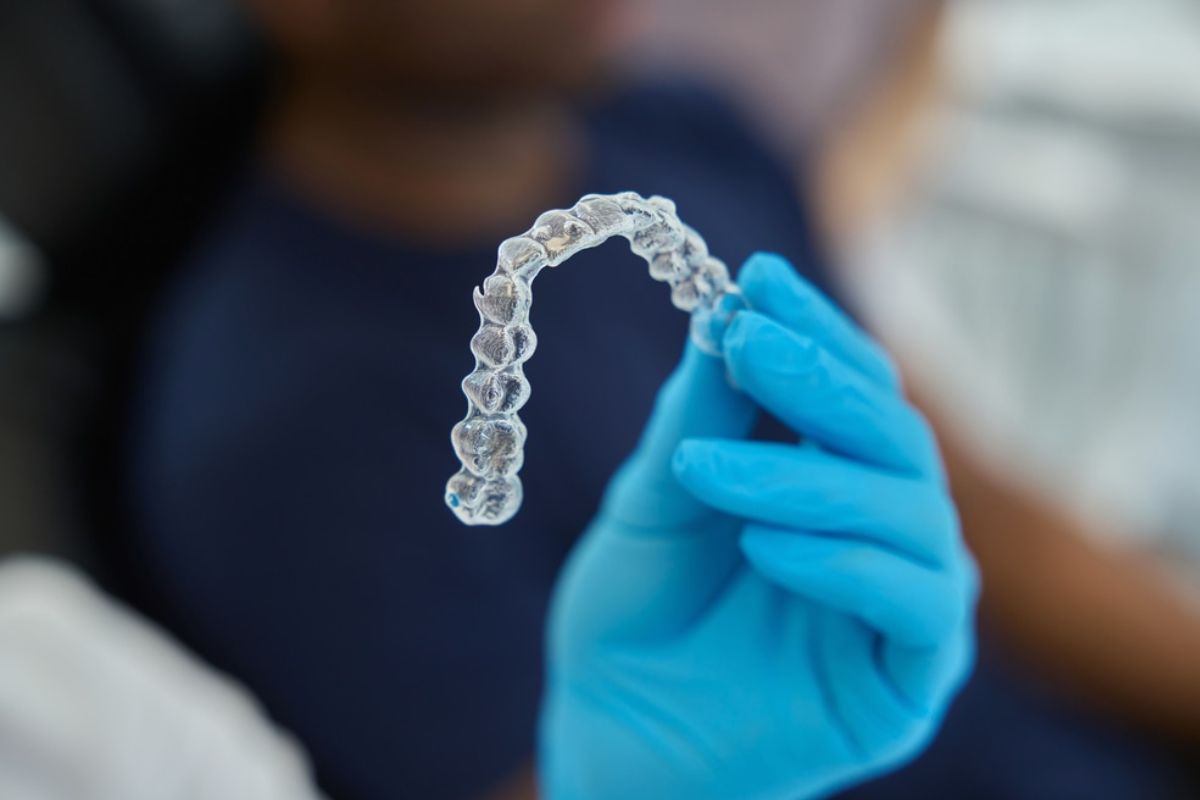
Once you approve the plan, your custom aligners are manufactured and shipped to the office. The production period usually takes 2 to 3 weeks. When your aligners arrive, you’ll return for a fitting appointment.
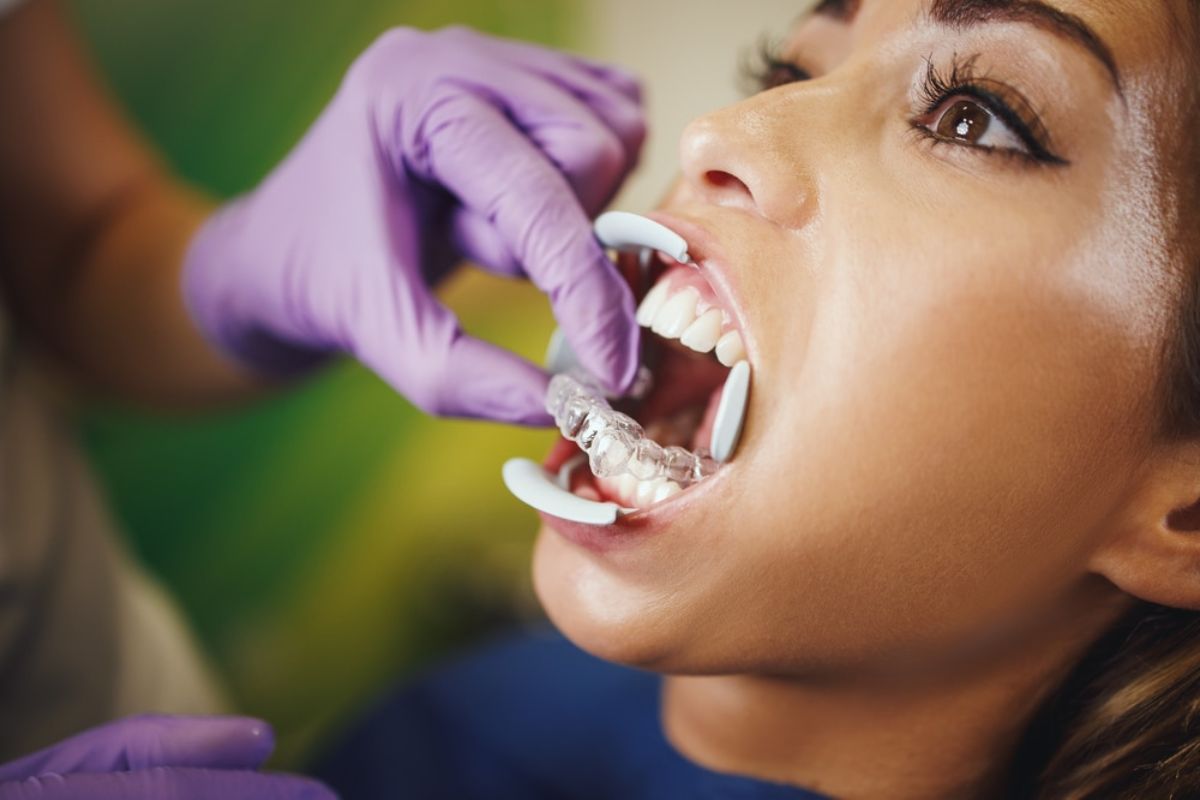
During this visit, the orthodontist will ensure your first set fits properly and may attach small, tooth-colored buttons called attachments to certain teeth. These help the aligners grip better and guide specific movements. Don’t worry! They are barely noticeable and won’t stop you from enjoying your favorite nachos at Globe Life Field during a Rangers game.
The first week with aligners takes adjustment. Your mouth feels different, and you might notice a slight lisp when ordering your usual at Starbucks on Cooper Street. Most individuals adjust within 3 to 7 days. You’ll also feel pressure on your teeth, which is normal and means the aligners are working.
You’ll wear each set of aligners for about 1 to 2 weeks before switching to the next set. The exact timing depends on your treatment plan and how your teeth respond. Most patients wear their aligners 20 to 22 hours daily, removing them only for eating and brushing.
The Middle Phase: Tracking Your Progress
This is where patience and consistency matter most. You’ll visit the orthodontist every 6 to 10 weeks for progress checks. These appointments are quick, usually 15 to 20 minutes, and involve examining your teeth, ensuring the aligners fit correctly, and receiving your next set.
Life continues normally during treatment. You can still enjoy everything this city offers, from food truck festivals at Levitt Pavilion to hiking trails at River Legacy Park. Remember to brush your teeth before reinserting your aligners after meals. Invisalign in Arlington has become popular partly because it fits seamlessly into active lifestyles without the dietary restrictions of traditional braces.
Around the halfway point, you’ll start noticing real changes. That gap begins closing, or those crooked front teeth start straightening. These visible improvements will keep you motivated through the remaining months.
Some patients need mid-course corrections called refinements. If certain teeth aren’t tracking as predicted, the orthodontist takes new scans and orders additional aligners to fine-tune movements. This might add 2 to 4 months to your original timeline, but it ensures you get the best possible outcome.
The Final Stretch: Finishing Active Treatment
As you approach the end of your aligner series, excitement builds. Your teeth look dramatically different from when you started. The final few sets make subtle adjustments that perfect your bite and alignment.
Your last appointment involves a thorough examination to confirm everything has moved into the ideal position. The orthodontist checks your bite from multiple angles and ensures you’re satisfied with the results. If any minor tweaks are needed, a few additional aligners might be ordered.
The Invisalign treatment timeline at Arlington orthodontists concludes with retention, which is just as important as the active phase. Your teeth have a memory and will try to shift back without proper support.
Retainers: Protecting Your Investment
After completing active treatment, you’ll receive retainers to maintain your new smile. Initially, you’ll wear them full-time for about 3 to 6 months. This gives your bone and gums time to stabilize around the new tooth positions.
Following this stabilization period, most patients switch to wearing it only at night. You’ll continue this indefinitely to protect your results. Think of retainers as insurance for your smile—a small effort that preserves months of progress.
The orthodontist schedules follow-up visits at 3 months, 6 months, and then annually. These checkups ensure your retainers still fit well and your teeth remain in their corrected positions.
Factors That Affect Your Timeline
Several factors influence how long your specific treatment will take. Compliance is the biggest factor. Wearing your aligners for the recommended 20 to 22 hours daily keeps you on schedule. Skipping days or frequently forgetting to wear them can extend your timeline by several months.
The complexity of your case matters too. Simple spacing issues resolve faster than severe crowding or significant bite problems. Age plays a minor role—adult teeth sometimes move slightly slower than those of teenagers, but the difference is usually negligible.
Your body’s response to treatment also varies. Some people’s teeth shift quickly, while others need more time. This biological variation is normal and doesn’t reflect anything wrong with the treatment.
The warm climate here means you’re likely spending time outdoors, which is perfect for staying active. Just remember to keep your aligners in their case when swimming at Burger’s Lake or playing volleyball at Veterans Park. Losing aligners can delay progress while replacements are made.
Planning Around Your Schedule
One advantage of this treatment is predictability. Knowing your estimated timeline helps you plan around important events. If you have a wedding at the Arlington Museum of Art or family photos scheduled, you can discuss timing with your orthodontist.
Some patients choose to start treatment after major holidays to avoid the hassle of removing aligners during festive meals. Others prefer beginning immediately to reach their goal, and smile sooner. There’s no perfect time—just the time that works for your life.
Work and social commitments fit easily around appointments since they’re infrequent and brief. You won’t need to take long lunch breaks or miss significant work time. This convenience makes treatment manageable even for those with demanding careers in the entertainment district or retail centers.
Frequently Asked Questions
How long does the average clear aligner treatment take in 2026?
Most patients complete treatment in 12 to 18 months, though simpler cases may be finished in 6 to 12 months. Complex corrections involving significant movement or bite adjustments might require 18 to 24 months. Your specific timeline depends on your orthodontic needs and how consistently you wear your aligners.
Can I speed up my treatment timeline?
Wearing your aligners for the full 20 to 22 hours daily is the best way to stay on schedule. Some orthodontists offer acceleration devices that may shorten treatment by a few months, but results vary. Skipping aligner sets or reducing wear time will delay your progress, not speed it up.
What happens if I lose an aligner set?
Contact your orthodontist immediately if you lose aligners. They’ll advise whether to move forward to the next set, go back to the previous set, or order replacements. Replacement aligners typically arrive within 1 to 2 weeks, which may slightly extend your overall timeline.
Do I need to avoid certain foods during treatment?
You can eat anything you want since you remove aligners before meals. Just brush your teeth before putting the aligners back in to prevent staining and cavities. Avoid chewing gum or eating with aligners in place, as this can damage them and affect your treatment progress.
How often will I need orthodontic appointments?
Most patients visit every 6 to 10 weeks for progress checks. These appointments are brief, typically lasting 15 to 20 minutes. Your orthodontist will monitor tooth movement, provide your next aligner sets, and address any concerns. The infrequent visits make treatment convenient for busy schedules.
Will wearing aligners affect my speech?
You may notice a slight lisp during the first few days of treatment as your mouth adjusts to having aligners. This typically resolves within 3 to 7 days as you adapt. Most people speak normally throughout treatment, and others rarely notice you’re wearing aligners.
What if my teeth aren’t tracking as planned?
If teeth don’t move as predicted, your orthodontist may order refinement aligners. New scans are taken, and additional aligners are created to correct the tracking issue. Refinements add 2 to 4 months to treatment but ensure optimal results and proper alignment.