817-803-8090

How Much Fluoride Should I Use?

Fluoride is a crucial element in maintaining oral health, widely recognized for its ability to prevent tooth decay and strengthen enamel. However, the amount of fluoride one should use often raises questions. Understanding the right dosage and sources of fluoride is essential to maximize its benefits while avoiding potential risks. In this blog, we’ll delve into the importance of fluoride, its sources, and how much you should use for optimal dental health.
The Importance of Fluoride
Fluoride, a naturally occurring mineral, plays a vital role in dental care. It helps to:
- Strengthen Enamel: Fluoride remineralizes tooth enamel, making it more resistant to acid attacks from plaque bacteria and sugars in the mouth.
- Prevent Tooth Decay: It can reverse early signs of tooth decay and prevent the formation of cavities.
- Reduce Sensitivity: By strengthening enamel, fluoride helps reduce tooth sensitivity.
Stats on Fluoride Benefits
- According to the Centers for Disease Control and Prevention (CDC), fluoridated water reduces tooth decay by approximately 25% in children and adults.
- The World Health Organization (WHO) states that fluoride toothpaste reduces dental caries in children by 24%.
Sources of Fluoride
Fluoride can be found in various sources, including:
Water
Fluoridated drinking water is one of the most significant sources of fluoride. Many communities add fluoride to their public water supplies to help reduce the prevalence of dental caries.
Toothpaste
Most toothpaste brands contain fluoride, making it an easy and effective way to incorporate fluoride into your daily oral hygiene routine.
Mouth Rinses
Over-the-counter and prescription mouth rinses often contain fluoride and can be used as an additional preventive measure.
Dietary Supplements
For individuals living in areas without fluoridated water, fluoride supplements (tablets, drops, or lozenges) may be prescribed by a dentist or doctor.
Professional Treatments
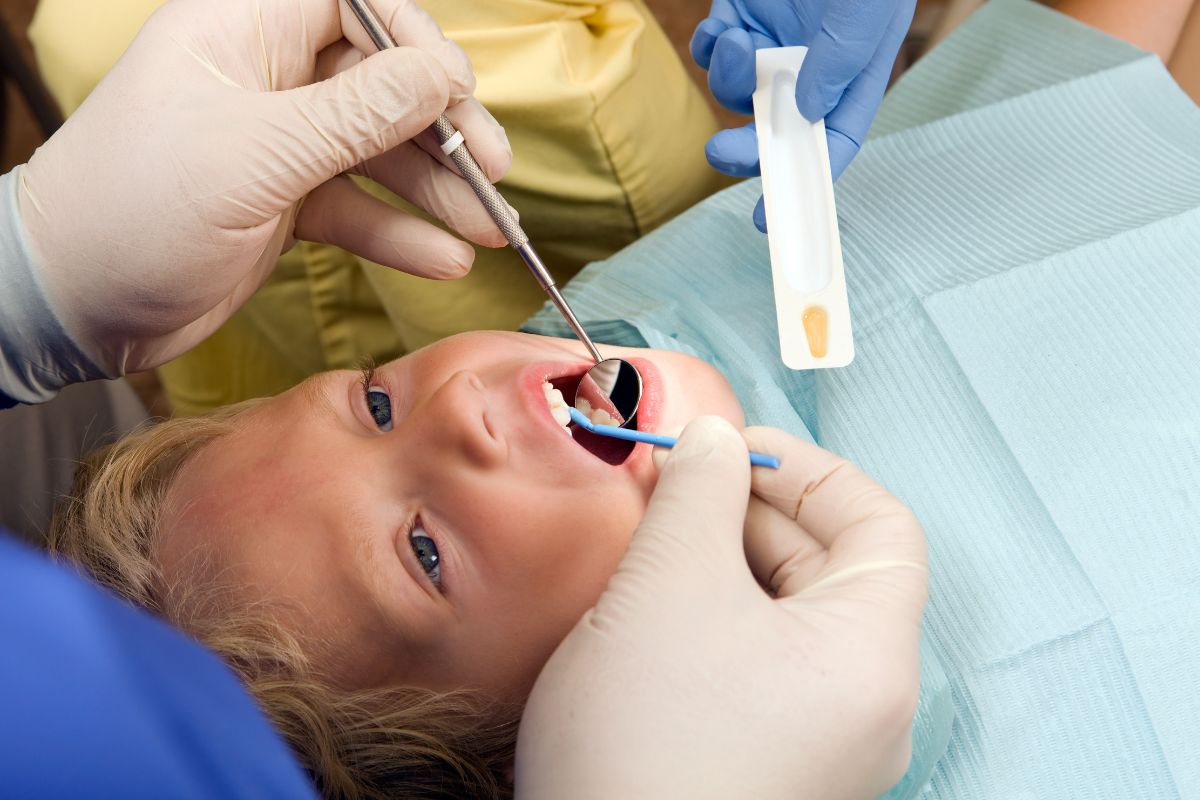
Dentists provide professional fluoride treatments during routine check-ups. These treatments involve a higher concentration of fluoride applied directly to the teeth.
How Much Fluoride Should You Use?
For Children
Children are particularly susceptible to both the benefits and potential risks of fluoride. It’s crucial to follow recommended guidelines to ensure they receive the right amount.
- Infants (0-6 months): No fluoride supplementation is recommended.
- Children (6 months – 3 years): Use a smear (grain of rice-sized) amount of fluoride toothpaste.
- Children (3-6 years): Use a pea-sized amount of fluoride toothpaste.
- Supervision: Parents should supervise young children during brushing to prevent swallowing toothpaste.
For Adults
- Toothpaste: Use a fluoride toothpaste, typically containing 1,000 to 1,500 parts per million (ppm) of fluoride, twice a day.
- Mouth Rinse: An additional fluoride mouth rinse can be used once a day, especially for individuals at higher risk of cavities.
- Professional Treatments: Consider professional fluoride treatments during dental check-ups if recommended by your dentist.
Risks of Excessive Fluoride
While fluoride is beneficial in the right amounts, excessive fluoride can lead to dental fluorosis or skeletal fluorosis.
Dental Fluorosis
- Causes: Occurs when children consume too much fluoride during the years of tooth development.
- Symptoms: White spots or streaks on teeth. Severe cases may cause brown stains and surface irregularities.
- Prevention: Monitor fluoride intake from all sources and ensure children use the correct amount of toothpaste.
Skeletal Fluorosis
- Causes: Long-term exposure to high levels of fluoride, typically from drinking water.
- Symptoms: Joint pain, stiffness, and skeletal abnormalities.
- Prevention: Ensure fluoride levels in drinking water are within recommended limits (0.7 to 1.2 ppm in the U.S.).
How to Monitor Fluoride Intake
To ensure you’re getting the right amount of fluoride, consider the following:
Check Your Water Source
- Fluoridated Water: Most public water supplies in the U.S. are fluoridated. Check your local water report or contact your water provider to know the fluoride content.
- Bottled Water: Some bottled water brands contain fluoride. Read the label to determine fluoride levels.
Use the Right Toothpaste
- Fluoride Content: Choose toothpaste with an appropriate amount of fluoride (1,000-1,500 ppm for most adults).
- Children’s Toothpaste: Use toothpaste specifically formulated for children, ensuring it has the right amount of fluoride for their age group.
Consult Your Dentist
- Personalized Advice: Your dentist can provide personalized recommendations based on your oral health needs and fluoride exposure.
- Professional Treatments: Discuss the benefits of professional fluoride treatments during your dental visits.
Conclusion
Fluoride is a powerful tool in maintaining oral health, but it’s crucial to use the right amount. By understanding the sources of fluoride and following recommended guidelines, you can ensure you and your family receive the optimal benefits while minimizing risks. Regular dental check-ups and consultations with your Arlington orthodontist will help tailor fluoride use to your specific needs, ensuring a healthy and strong smile.