817-803-8090

Early Orthodontic Intervention: Nurturing Healthy Smiles From The Start


A captivating smile is one of the most beautiful expressions of a person’s personality. Beyond aesthetics, a healthy smile is a fundamental aspect of overall well-being. Orthodontics plays a crucial role in nurturing healthy smiles, and the concept of early orthodontic intervention has gained prominence in recent years.In this exploration, we will delve into the world of early orthodontic intervention, shedding light on the benefits it offers to children and their parents. By taking a proactive approach to oral health and aesthetics, we can ensure that our children grow up with healthy smiles, fostering not only their self-esteem but their overall health and quality of life. Join us on this journey to discover how early orthodontic intervention paves the way for nurturing healthy smiles right from the start.
The Foundation of Early Orthodontic Care
Early orthodontic intervention, often referred to as interceptive orthodontics, focuses on identifying and addressing orthodontic issues in children before they become more severe and challenging to treat. These issues can include misaligned teeth, improper bites, or irregular jaw development. While some parents may believe that orthodontic treatment is only suitable for teenagers with fully developed adult teeth, the reality is that early intervention can make a significant difference in a child’s oral health.
Why Early Orthodontic Intervention Matters?
Early orthodontic intervention is critical for several reasons, including:
1. Effective Problem Identification
Most kids have a mix of baby and adult teeth by the time they are seven years old. This stage is a crucial window for orthodontists to identify any potential issues. Early intervention allows orthodontists to address problems when they are still developing, preventing them from becoming more complex later.
2. Jaw Growth and Development
A child’s jaw is still growing and malleable, making it an ideal time to influence its development positively. Orthodontic treatment can guide jaw growth to ensure that it is balanced and harmonious.
3. Avoiding Future Complications
Correcting orthodontic issues early can prevent more severe problems in the future, such as overcrowded teeth, impacted teeth, or severe malocclusions. It can reduce the need for more invasive and lengthy treatments, including extractions or jaw surgery.
4. Improved Oral Health
Proper alignment of teeth and jaws promotes better oral health. When teeth are correctly positioned, it becomes easier to clean and maintain oral hygiene. By doing this, the chance of gum disease, tooth decay, and other oral health issues is decreased.
5. Enhanced Aesthetics and Self-Esteem
Early intervention can also contribute to improved aesthetics. A confident smile can positively impact a child’s self-esteem and social interactions, making them more comfortable in their own skin.
Common Orthodontic Issues in Children
There are several orthodontic issues that orthodontists can address in children with early intervention. Some of the most common ones include:
Malocclusions
Malocclusions refer to misaligned teeth and improper bites. There are different types of malocclusions, including overbites, underbites, and crossbites. These issues can affect the alignment of teeth and the way the upper and lower jaws fit together.
Crowding and Spacing Issues
Some children may have crowded teeth, where there is not enough space in the mouth for all the teeth. Others may experience spacing issues, with gaps between teeth. These problems can affect both aesthetics and functionality.
Thumb-Sucking and Pacifier Habits
Prolonged thumb-sucking and pacifier use can lead to dental issues, including misaligned teeth. Early intervention can help break these habits and prevent associated orthodontic problems.
Protruding Teeth
Protruding front teeth are not only a cosmetic concern but also more susceptible to injury. Early intervention can help address this issue and protect a child’s teeth from potential harm.
The Early Orthodontic Treatment Process
The process of early orthodontic treatment typically involves the following steps:
1. Orthodontic Assessment
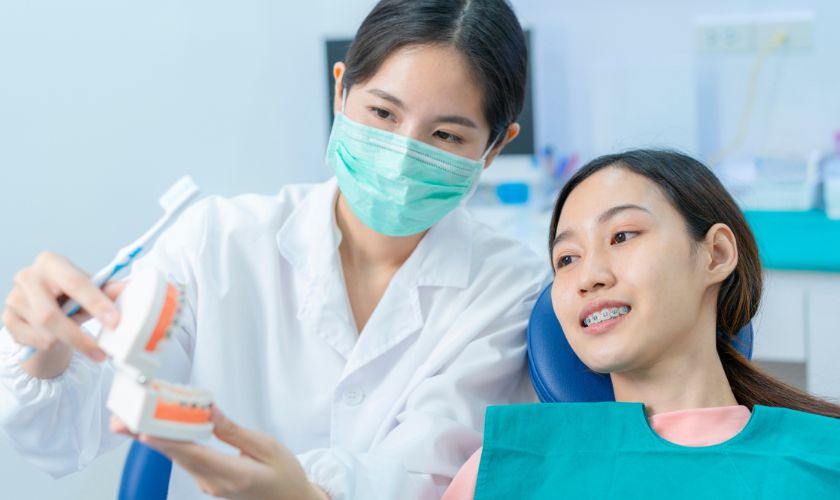
The first step is a comprehensive orthodontic assessment. An orthodontist will examine a child’s teeth, jaws, and facial structure. X-rays and other diagnostic tools may be used to identify any underlying issues.
2. Diagnosis and Treatment Plan
Once the assessment is complete, the orthodontist will provide a diagnosis and treatment plan. This plan outlines the specific orthodontic issues and the proposed course of action.
3. Treatment Initiation
The treatment process may involve the use of orthodontic appliances such as braces, aligners, or other devices. These appliances are designed to correct the identified issues gradually.
4.Monitoring Progress
Regular follow-up appointments with the orthodontist are essential to monitor progress and make any necessary adjustments to the treatment plan.
5. Post-Treatment Care
Once the treatment goals are achieved, post-treatment care, including the use of retainers, is often necessary to maintain the results.
Advantages of Early Orthodontic Intervention
Early orthodontic intervention offers a range of advantages, including:
Reduced Treatment Duration
Addressing orthodontic issues early often leads to shorter treatment durations, as problems are corrected before they become more complex.
Enhanced Oral Health
Properly aligned teeth are easier to clean and maintain, reducing the risk of oral health problems such as cavities and gum disease.
Improved Aesthetics
Early intervention can result in a more attractive and confident smile, boosting a child’s self-esteem and social well-being.
Prevention of Speech and Chewing Issues
Orthodontic problems can affect speech and chewing. Early intervention can help prevent these issues from arising or becoming more severe.
Early orthodontic intervention is more than just addressing the alignment of teeth; it’s about nurturing healthy, confident smiles from an early age. By identifying and correcting orthodontic issues in children, we not only enhance aesthetics but also promote oral health, self-esteem, and overall well-being. If you’re a parent, consider scheduling an orthodontic assessment for your child, even if they still have baby teeth. It’s an investment in their future oral health and the confidence to smile brightly for a lifetime.