817-803-8090

Can an Orthodontist Help with Gaps Between Teeth?

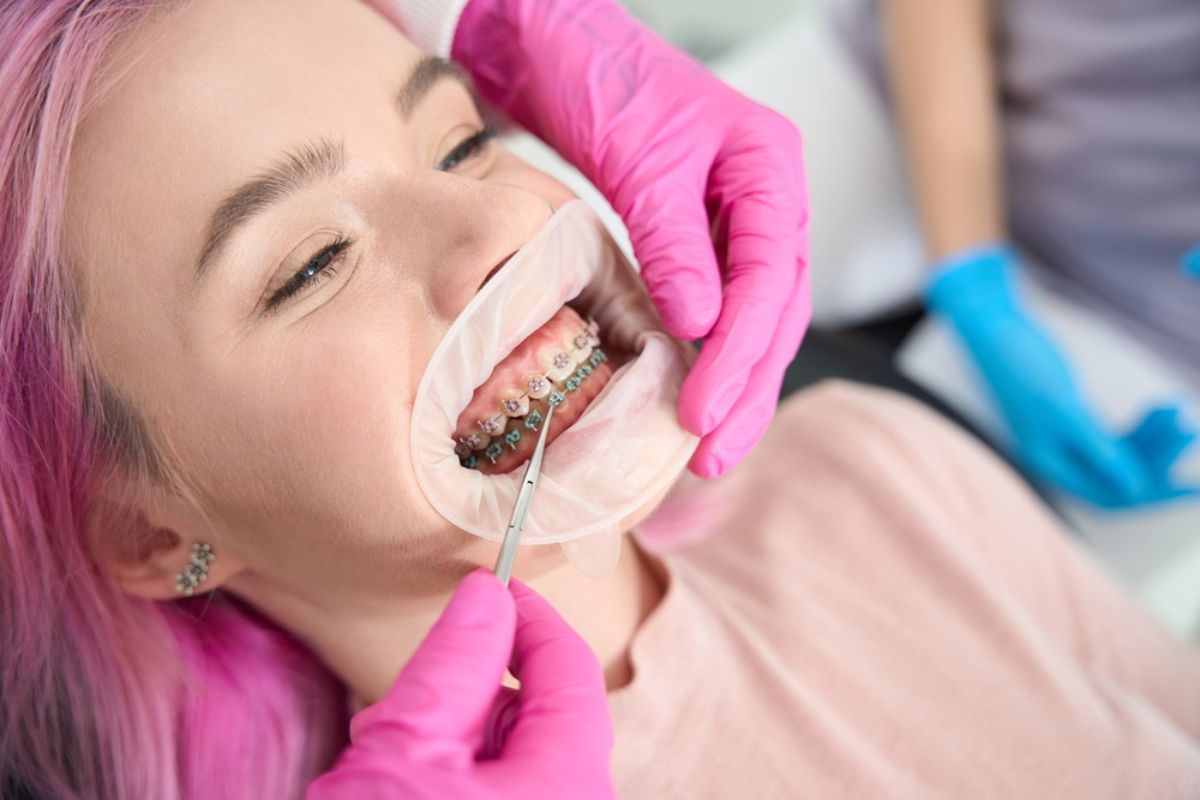
A healthy, well-aligned smile plays a crucial role in both oral health and self-confidence. While some people embrace the natural gaps between their teeth, others seek solutions to achieve a more uniform appearance. If you’re considering closing the spaces in your smile, an orthodontist may have the right treatment options for you. Gaps between teeth, also known as diastema, can occur for various reasons and, in some cases, may even lead to oral health concerns. Understanding what causes these spaces and how they can be corrected is the first step toward achieving the smile you desire.
What Causes Gaps Between Teeth?
Tooth gaps can develop due to several factors, including genetics, missing teeth, improper jaw alignment, or habits like thumb sucking. Some individuals naturally have smaller teeth in proportion to their jaw, which creates spacing. Others may experience gaps due to shifting teeth after tooth loss or gum disease. Regardless of the cause, it’s important to determine whether closing the gap is a cosmetic choice or a necessary step to improve dental health.
How Orthodontic Treatment Can Close Gaps
For individuals who want to reduce or eliminate gaps, orthodontic treatment offers highly effective solutions. Braces and clear aligners are two of the most common methods used by an orthodontist to gradually move teeth into better alignment.
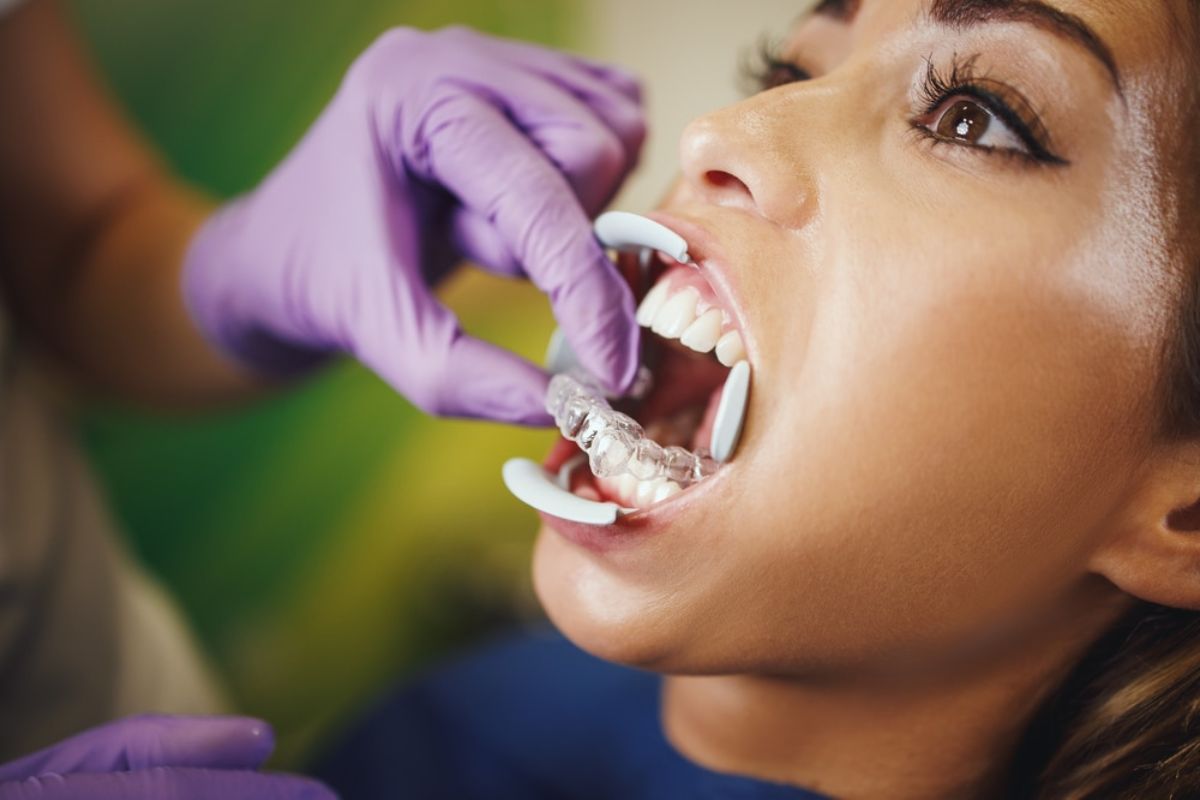
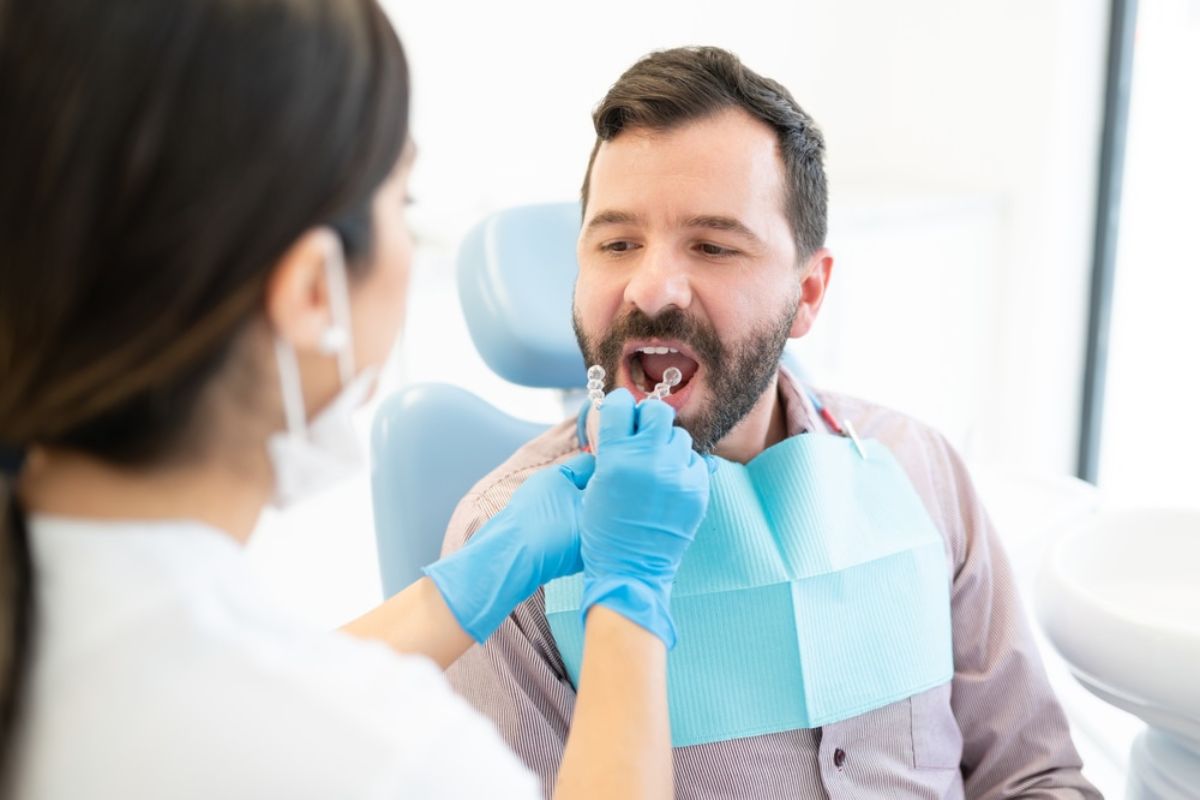
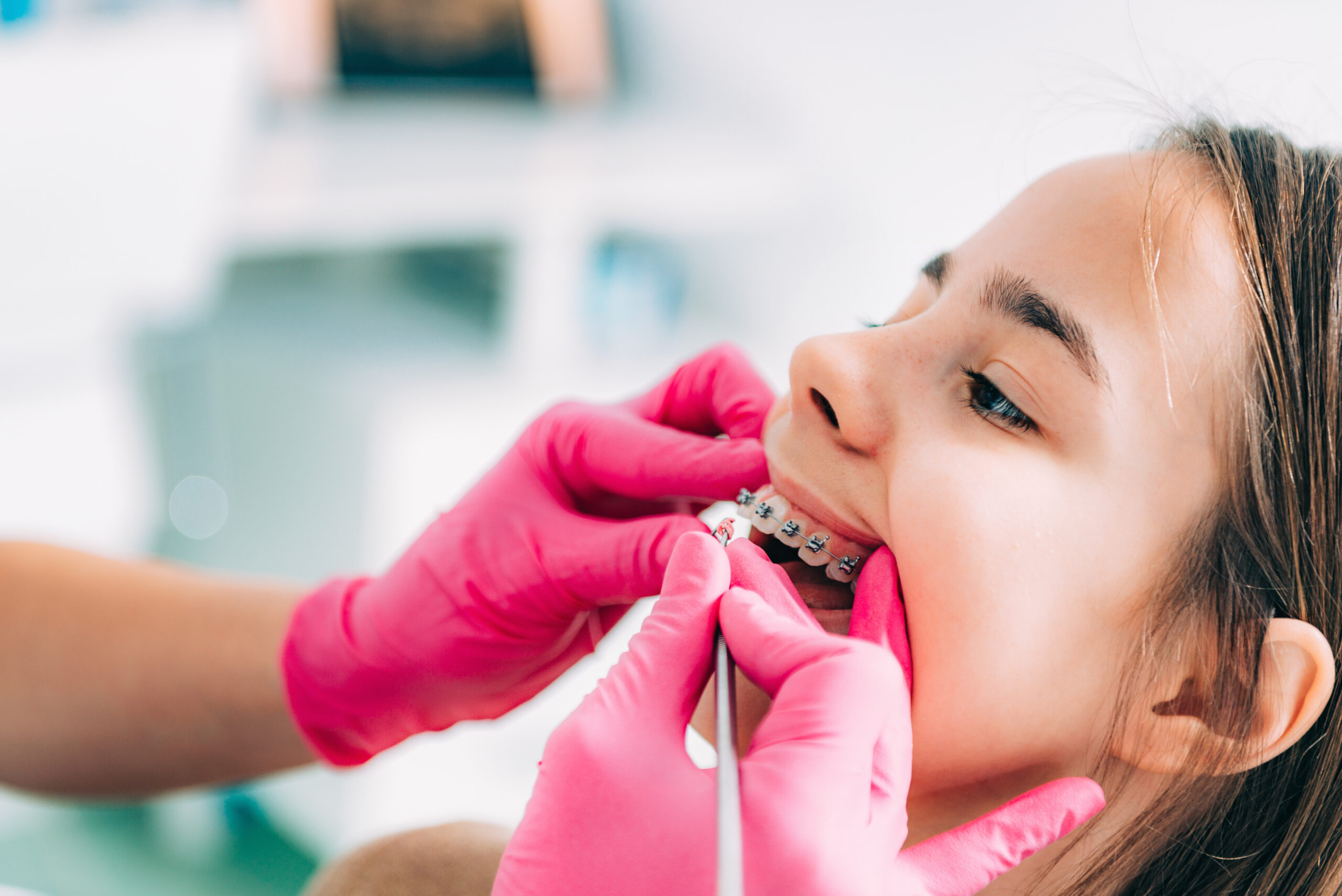
Traditional braces use brackets and wires to shift teeth into place over time, making them a reliable option for closing larger gaps. Clear aligners, such as Invisalign, are an excellent alternative for those looking for a more discreet option. These custom-made trays apply gentle pressure to gradually reposition teeth, closing spaces without the need for metal braces. The best approach depends on the size of the gap, overall alignment, and patient preference.
Additional Treatment Options for Gaps
In some cases, orthodontic treatment alone may not be sufficient to fully close gaps. If a missing tooth is the cause, a dentist may recommend combining orthodontics with restorative treatments such as dental implants or bridges. Bonding and veneers are also popular cosmetic solutions for closing smaller gaps, offering a quick and effective way to improve aesthetics without moving the teeth.
Benefits of Closing Tooth Gaps
While some people choose to keep their natural gaps, closing them can offer several benefits beyond aesthetics. Large gaps can sometimes lead to food getting trapped between teeth, increasing the risk of cavities and gum disease. Additionally, uneven spacing can contribute to improper bite alignment, which may lead to jaw pain or difficulty chewing over time. Our orthodontist can assess whether closing the gap is necessary for improving oral function and preventing future dental issues.
Choosing the Right Orthodontic Treatment
Each patient’s needs are unique, so it’s important to consult with a professional to determine the best course of action. Factors such as the size of the gap, overall bite alignment, and oral health will influence the recommended treatment plan. During an initial consultation, a skilled provider will evaluate your teeth, discuss your goals, and create a personalized treatment approach to achieve the best results.
Trust a Professional for Your Smile Transformation
Closing gaps between teeth requires expert care, and the right provider can make all the difference. At Hildebrand Orthodontics, patients receive customized treatment plans designed to create beautiful, healthy smiles. Whether you’re considering braces, aligners, or a combination of treatments, an experienced team will guide you through the process to ensure the best outcome.For those looking to improve their smile, scheduling a consultation with a trusted specialist is the first step toward achieving lasting results. Whether your concern is aesthetic or functional, an orthodontist can provide the right solution to give you a confident, gap-free smile.